Non-natural amino acids in peptide research are rapidly changing how scientists design therapeutic peptides. For years, researchers worked mainly with the 20 canonical amino acids used in human biology. However, modern chemistry now allows access to hundreds of additional building blocks.
Recently, researchers at the University of California, Santa Barbara introduced a powerful synthetic method that expands this toolbox even further. As a result, peptide development may become faster, more flexible, and more innovative than ever before.
Peptides already sit between small-molecule drugs and biologics in size and function. Yet their biggest limitation has been stability and short half-life. That is precisely where non-natural amino acids in peptide research become essential.
In nature, proteins are built from 20 standard amino acids. Two additional rare amino acids, selenocysteine and pyrrolysine, are sometimes included. Still, this biological alphabet is limited.
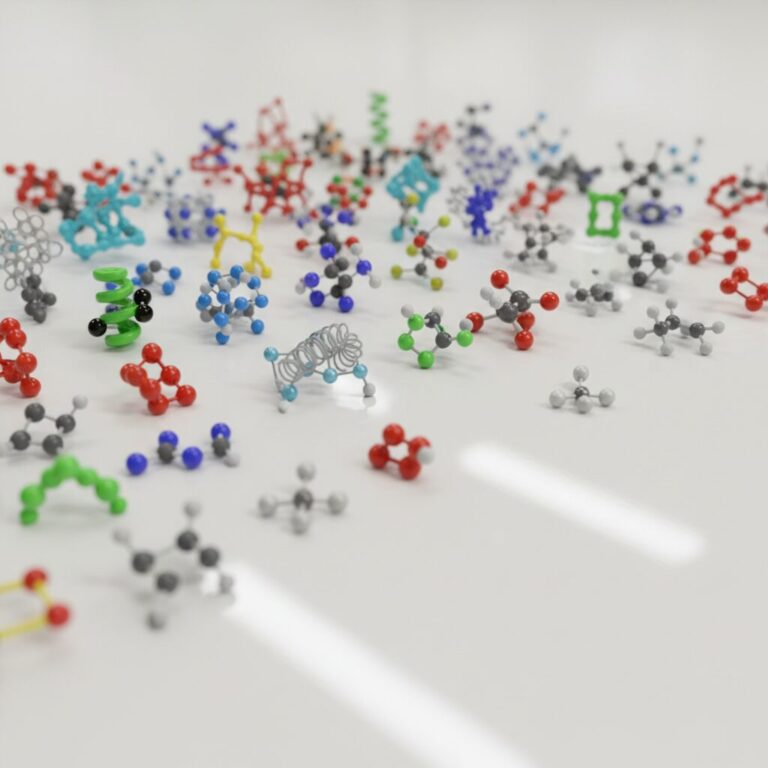
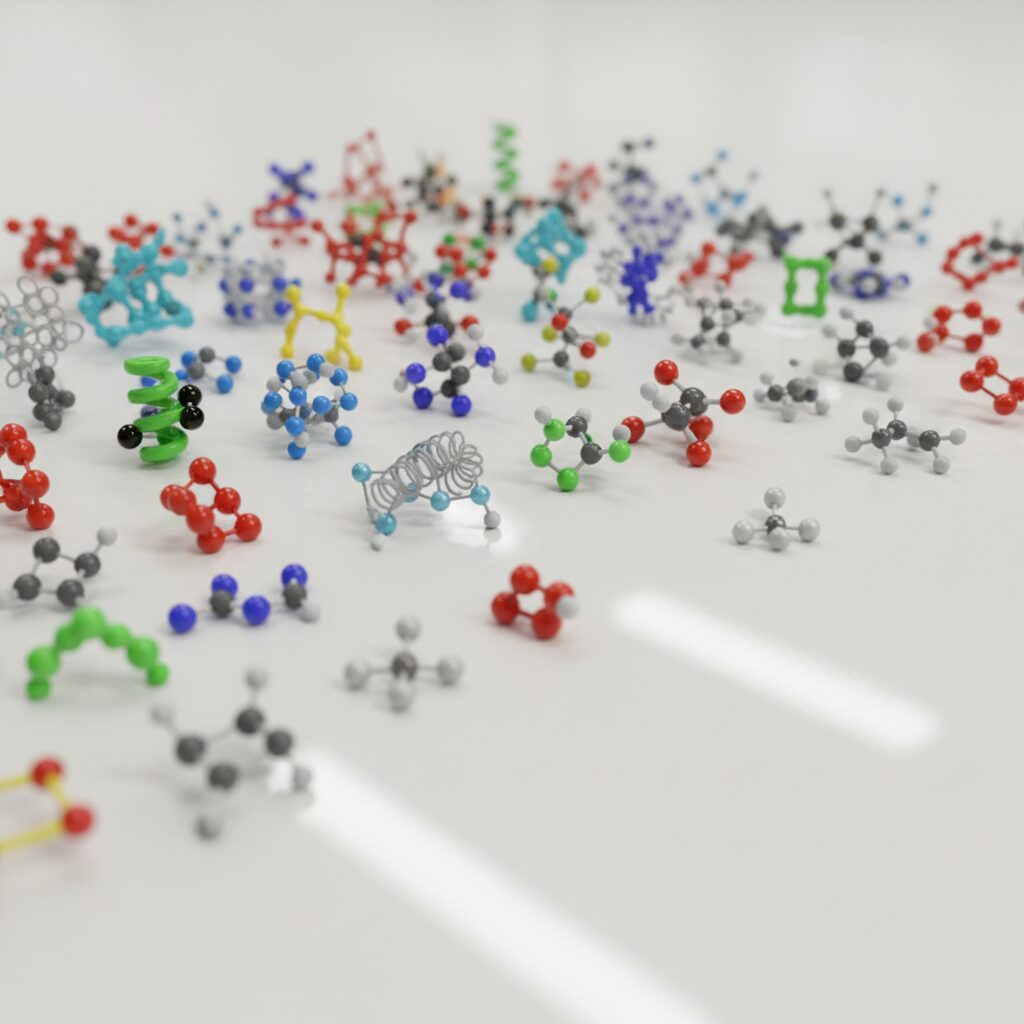
Non-natural amino acids, often called NPAAs, are synthetic or modified amino acids not commonly used in natural proteins. Importantly, they allow scientists to fine-tune peptide structure and function beyond what biology normally permits.
Because of this, non-natural amino acids in peptide research help improve stability, receptor selectivity, and pharmacokinetics. Therefore, they are now central to advanced peptide drug design.
For more background, you can internally link the phrase peptide drug design to your foundational peptide guide.
The research team at UCSB developed a gold-catalyzed method to efficiently generate diverse amino acid building blocks. Gold catalysis enables precise chemical reactions under controlled conditions.
More importantly, the process is stereoselective. That means the resulting amino acids are produced with correct three-dimensional orientation. Since molecular handedness directly affects biological activity, this precision is critical.
Additionally, these newly synthesized amino acids are compatible with solid-phase peptide synthesis. As a result, researchers can directly integrate them into peptide chains without complicated modifications.
You may add an external link here to a peer-reviewed chemistry publication or the official UCSB chemistry department page.
One major challenge in peptide therapeutics is enzymatic degradation. Proteases in the body rapidly break down natural peptides. Consequently, many peptide drugs require frequent injections.
Non-natural amino acids in peptide research help solve this problem. For example, replacing L-amino acids with D-amino acids can block protease recognition. Similarly, N-methylation reduces enzymatic cleavage.
Because of these strategies, modified peptides remain stable in circulation for much longer. Therefore, dosing frequency can be reduced significantly.
You can internally link enzymatic degradation to your article on peptide half-life optimization.
A strong example of peptide engineering is semaglutide, the active ingredient in Ozempic. It is a GLP-1 receptor agonist used for type 2 diabetes and obesity.
Native GLP-1 has a half-life of about 1 to 2 minutes. In contrast, semaglutide has a half-life of approximately one week. This dramatic improvement comes from structural modifications, including amino acid substitutions and lipid attachment.
Specifically, a fatty acid side chain promotes albumin binding. Because of this, renal clearance slows down and enzymatic breakdown decreases.
This example clearly demonstrates how non-natural amino acids in peptide research translate into clinical impact.
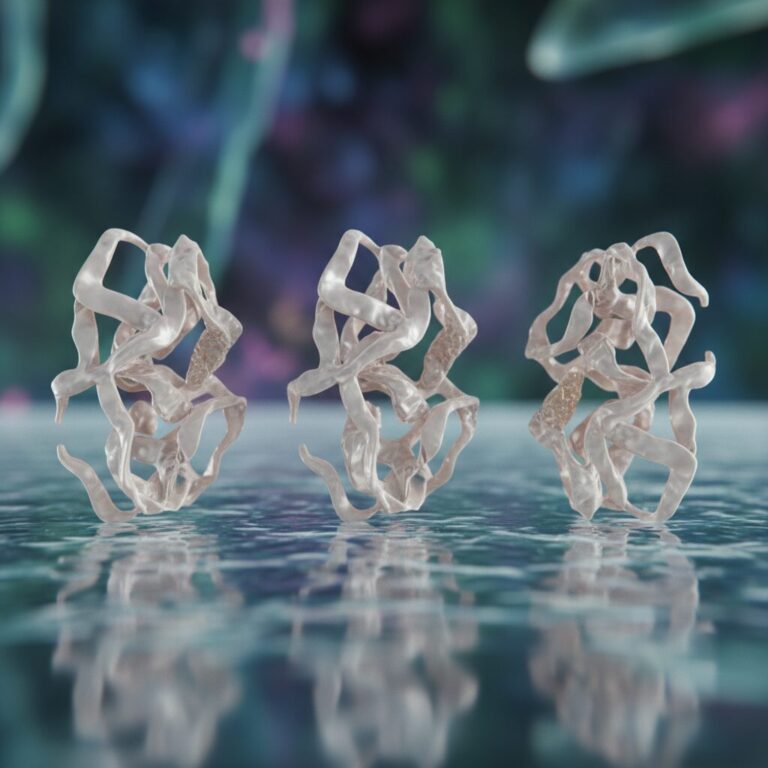
Peptides function based on three-dimensional shape. If the structure is flexible or unstable, receptor binding may weaken.
Non-natural amino acids allow structural constraints such as cyclization or backbone modification. As a result, peptides become more rigid and pre-organized.
This structural pre-organization improves binding affinity. Moreover, cyclic peptides often resist enzymatic degradation better than linear peptides.
For internal SEO, link cyclic peptides to your educational article on peptide structure modification.
Another major challenge in peptide therapeutics is membrane permeability. Many peptides are hydrophilic and struggle to cross biological barriers.
However, non-natural amino acids in peptide research can increase lipophilicity. They may also encourage intramolecular hydrogen bonding, which helps peptides pass through membranes more efficiently.
Lipidation is a proven strategy in several long-acting peptide drugs. Therefore, structural modifications directly improve pharmacokinetic performance.
You can internally link lipidation strategies to your pharmacokinetics guide.
The UCSB team aims to scale and automate their synthesis platform. Automation is essential for widespread adoption. Without it, advanced chemistry remains limited to specialized laboratories.
If this technology becomes broadly accessible, researchers can rapidly test diverse peptide libraries. Consequently, drug discovery timelines may shorten.
Furthermore, expanded chemical diversity could enable novel therapeutics targeting oncology, metabolic disorders, and neurological conditions.
Thus, non-natural amino acids in peptide research represent not just incremental progress, but a major shift in capability.
Although peptide innovation is exciting, quality control remains critical. There is a clear distinction between regulated pharmaceutical development and unverified online peptide sales.
Legitimate therapeutic development requires GMP manufacturing, regulatory oversight, and clinical trials. Therefore, research findings must not be confused with consumer-grade peptide products.
For internal linking, connect GMP manufacturing to your peptide compliance article.
Responsible science ensures that innovation translates into safe and effective medical treatments.
Non-natural amino acids in peptide research are transforming how scientists design next-generation therapeutics. By expanding beyond the natural amino acid toolkit, researchers gain precise control over stability, structure, and biological performance.
Thanks to innovations from institutions like the University of California, Santa Barbara, peptide engineering is entering a new era. As automation improves and chemical diversity grows, the future of peptide-based therapeutics looks increasingly promising.
Ultimately, expanding the amino acid palette expands medical possibility.
What’s your hidden peptide pearl? DM me—let’s co-author the next unearthed epic. 🧪
All human research MUST be overseen by a medical professional.