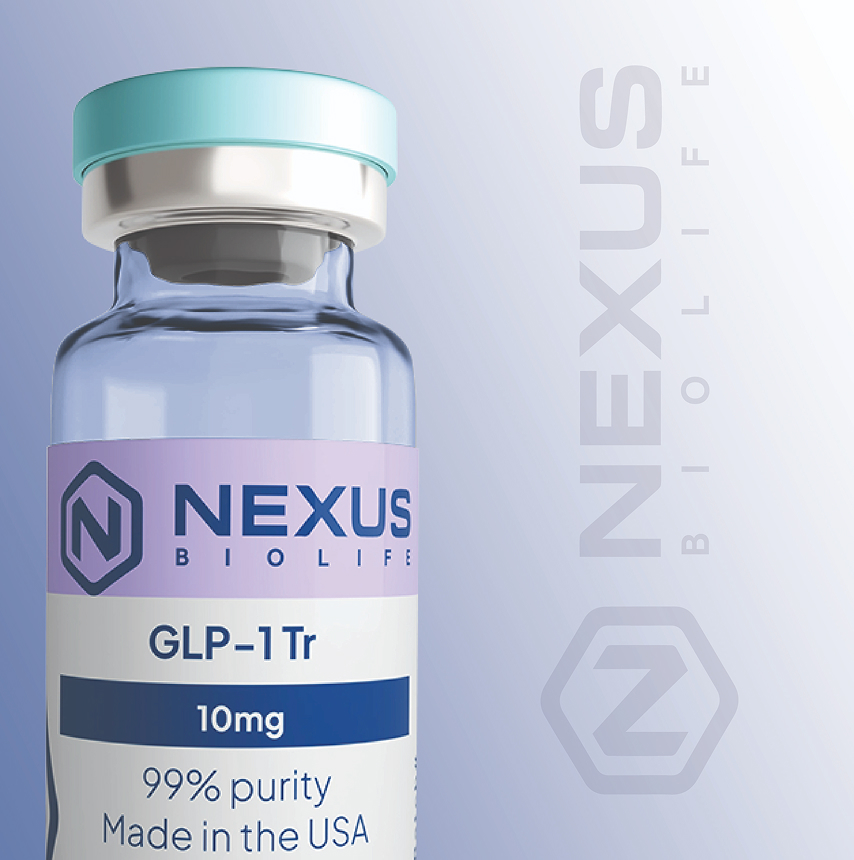
Unapproved peptide injections are becoming popular for fitness, anti aging, and weight loss. Many influencers promote these products as fast solutions for health goals. However, most of these injections do not have FDA approval.
This lack of review creates serious gaps in safety, purity, and long term evidence. Because of this, people often use products that may contain unknown ingredients, uncertain doses, and unpredictable side effects.
It is important to look closely at this regulatory gap to understand the real risks. This article explains the FDA framework, the dangers of unapproved peptide injections, and what researchers, startups, and compliance teams must consider.
The FDA is responsible for reviewing drugs and ensuring they are safe and effective. This includes clinical trials, clear labeling, and strict manufacturing rules. Many peptide products skip this process entirely. Popular examples include BPC 157 and CJC 1295.
Both are widely promoted online, but neither product has FDA approval. As a result, there is no verified dosing information and no established safety profile. FDA officials have also raised concerns about several bulk drug substances that appear in peptide products. Some of these substances fall into a high risk category because their safety is unclear.
When compounding pharmacies use such substances to make unapproved peptide injections, the pharmacy may cross the line into drug manufacturing. This violates the Federal Food, Drug, and Cosmetic Act. These concerns show how large the regulatory gap has become.
Unapproved peptide injections often create unpredictable reactions. The most common problems occur at the injection site. Many users report redness, swelling, or pain. Normally these symptoms would be manageable.
With unapproved peptide injections, however, the severity of symptoms can vary because the purity and sterility of the product are unknown.
Some people also report fatigue, headaches, dizziness, and rapid changes in energy. These effects may appear mild at first. However, without proper study data, it is hard to know how serious these symptoms may become.
Peptides can interact with medications or health conditions. Since no approved guidelines exist, users cannot rely on tested dose limits.
Gastrointestinal problems are common as well. Nausea, vomiting, and diarrhea appear often in user reports. FDA approved peptide based medications sometimes cause similar issues.
The difference is that approved drugs come with official guidance that helps doctors manage side effects. Unapproved peptide injections provide no such guidance. As a result, both patients and clinicians must handle complications without a clear reference.

Common injection site reactions from unregulated peptides.
The market for unapproved peptide injections grows quickly because of online sales and compounding pharmacies. Compounding pharmacies serve an important purpose when they prepare personalized medications.
However, a problem appears when some pharmacies begin to produce large batches of unapproved peptide injections. At this point, their activity looks like drug manufacturing instead of traditional compounding. The FDA has warned the public about problems related to compounded medications.
For example, the agency released alerts about fake or contaminated GLP 1 products sold as weight loss treatments. Many of these products came from unregulated or poorly supervised sources. This problem shows how easy it is for unsafe batches to spread through the market.
The entire environment looks like a modern Wild West. Oversight is limited, product quality varies, and customers cannot verify what they receive. This lack of structure is one of the biggest dangers of unapproved peptide injections.
Short term side effects are only part of the problem. The long term impact of unapproved peptide injections remains unclear. Many peptides have shown interesting results in animals and in small pilot human studies. However, these studies often involve very few participants. They usually do not explore long term use, organ system effects, or rare complications.
Because of this gap, users of unapproved peptide injections act as their own long term test subjects. They accept risks without knowing what may happen after months or years of use. This uncertainty creates major concerns for doctors, compliance teams, and public health agencies.
Contamination risks from poor manufacturing can make long term outcomes even more unpredictable. Heavy metals, microbial contamination, or inaccurate doses may create health complications that appear only after extended use.
Researchers studying peptide based therapies face a difficult environment. On one hand, peptides may provide promising therapeutic value. On the other hand, the rise of unapproved peptide injections creates confusion and safety challenges. Researchers must communicate clear evidence about benefits and risks. Publishing studies in peer reviewed journals and working with regulators helps build trust.
Startups in the peptide market must follow strict compliance strategies. It may seem easier to launch products quickly and copy what other online suppliers do. However, this approach brings legal and ethical risks. Investing in proper clinical trials, quality manufacturing systems, and transparent labeling is essential. This investment also strengthens credibility and reduces long term liability.
Compliance professionals play a key role here. They interpret FDA rules, monitor enforcement actions, and help companies avoid violations. Their work protects patients and improves the reputation of the entire peptide industry.
An example of an unregulated compounding environment, highlighting risks.
Healthcare professionals, wellness clinics, and researchers must prepare for more patients asking about unapproved peptide injections.
Because social media influencers promote these products heavily, demand continues to rise. Clinicians must stay educated, understand the scientific limits, and know how to guide patients toward safer choices.
Professionals should ask suppliers for certificates of analysis, manufacturing details, sterility documentation, and batch testing records. They should also warn patients about the dangers of online sources.
These steps help reduce risks associated with unapproved peptide injections. It is also helpful to remind patients that FDA approval exists for a reason. This process protects them from unsafe compounds and helps doctors recommend treatments confidently.
The popularity of unapproved peptide injections creates significant health and regulatory challenges. These products often come without FDA oversight, without clinical trials, and without safety data. Users face unclear dosing, unknown interactions, and potential contamination. At the same time, researchers and startups lose credibility when unsafe products flood the market.
The safest path forward includes strong research practices, strict manufacturing rules, and open communication. When companies work with regulators and invest in evidence based processes, peptide therapies can reach their full potential. Until then, people must understand the real risks behind unapproved peptide injections.
¹ U.S. Food and Drug Administration. (n.d.). Certain bulk drug substances for use in compounding that may present significant safety risks. Retrieved from https://www.fda.gov/drugs/human-drug-compounding/certain-bulk-drug-substances-use-compounding-may-present-significant-safety-risks
² U.S. Anti-Doping Agency. (n.d.). BPC-157: Experimental peptide prohibited. Retrieved from https://www.usada.org/spirit-of-sport/bpc-157-peptide-prohibited/
³ FDA. (2023, March 14). Bulk drug substances in compounding may present safety risks. Retrieved from https://www.fda.gov/drugs/human-drug-compounding/bulk-drug-substances-compounding-may-present-safety-risks-including-those-category-2
⁴ U.S. Food and Drug Administration. (2023, May 17). FDA’s concerns with unapproved GLP-1 drugs used for weight loss. Retrieved from https://www.fda.gov/drugs/postmarket-drug-safety-information-patients-and-providers/fdas-concerns-unapproved-glp-1-drugs-used-weight-loss
⁵ Verywell Health. (2025, December 04). 4 Dangerous Side Effects of Peptide Injections. Retrieved from https://www.verywellhealth.com/dangerous-side-effects-of-peptide-injections-11855254
Compliance is strategy. Stay informed. ⚖️
All human research MUST be overseen by a medical professional