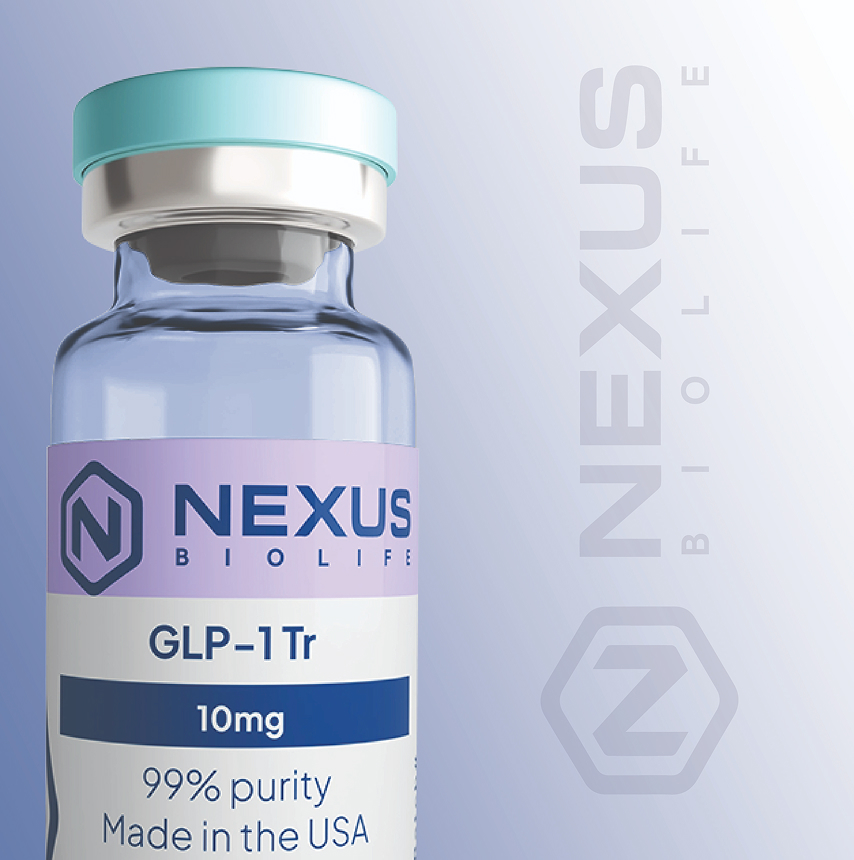

Have you ever felt frustrated by your body’s response to diet and exercise, wondering why some efforts seem to hit a wall while others thrive? You know, it’s easy to fall into the trap of thinking that managing your weight or blood sugar is simply a matter of “eat less, move more,” or even worse, that it’s just about having enough willpower. But honestly, that idea, while common, is far too simple. Your GLP-1 metabolism is a complex, amazing system, and it’s influenced by much more than just the food on your plate or the miles on your shoes.
For too long, we’ve been told stories about our bodies that focus on blame or oversimplified solutions. It’s like trying to understand a complicated symphony by only listening to one instrument. But here’s the thing: your body has its own internal messaging system, a network of tiny but powerful players called peptides, that are constantly sending signals to control everything from your hunger to how your body uses energy. Understanding these hidden conversations in GLP-1 metabolism is not about finding a magic bullet. It is about gaining real clarity and empowerment. When we grasp how these systems truly work, we can make choices that truly support your metabolic health, not just fight against it. Now that we’ve swapped dogma for data, let’s zoom in and see the machinery at work. We start with the peptide messengers.

Imagine your body as a busy city. To keep everything running smoothly, different departments need to communicate. That’s where peptides come in! Think of them as miniature messengers. These are small chains of amino acids, the building blocks of protein. They carry vital information from one part of your body to another. These tiny signals tell your cells and organs what to do. They influence everything from how hungry you feel to how quickly your body uses the sugar from your food. They form a core part of your GLP-1 metabolism. This process orchestrates a complex dance to keep you balanced and healthy.
Among these incredible peptide messengers, there’s one that’s been getting a lot of attention for its crucial role in metabolic health. It is Glucagon-Like Peptide-1, or GLP-1 for short. This isn’t some foreign substance. It’s a completely natural hormone your own body makes! Your gut cells release GLP-1 after you eat a meal. This happens especially when food reaches the lower parts of your digestive system. It’s like a built-in “all clear” signal that helps manage what happens next.
Once released, GLP-1 gets to work on several important fronts. First, it slows digestion. It gently slows down how quickly food leaves your stomach. This isn’t just about comfort. It helps nutrients enter your bloodstream at a more gradual pace. As a result, it prevents sudden spikes in blood sugar. Next, it signals fullness. GLP-1 sends direct messages to your brain. It tells it that you’ve eaten enough. This helps you feel fuller and more satisfied. Therefore, it reduces those urges to keep eating when you don’t really need to. You know, those signals are super important for managing appetite! Additionally, it helps your pancreas. It encourages your pancreas to release insulin, but only when your blood sugar levels are high. Insulin is the key that helps your cells absorb sugar from your blood for energy. When GLP-1 is present, this process becomes much more efficient and responsive. Finally, it reduces glucagon. On the flip side, GLP-1 also helps to lower the production of glucagon, another hormone made by the pancreas. Glucagon’s job is to tell your liver to release stored sugar, which can raise blood sugar levels. By reining in glucagon, GLP-1 further helps keep your blood sugar in a healthy range.
Together, these actions make GLP-1 a powerful player in managing both your blood sugar and your appetite. It’s your body’s natural way of saying, “Okay, we’ve got food, let’s process it efficiently and feel satisfied.” This core function drives GLP-1 metabolism.
Fiction! While reducing calorie intake is often a part of weight loss, simply “eating less” isn’t a guaranteed fix. Nor is it sustainable if you’re constantly battling intense hunger. The quality of what you eat matters. Also, how your body’s hormones like GLP-1 respond to it plays a massive role. If your GLP-1 signals are weak or short-lived, you might feel hungry again quickly. This happens regardless of how much you initially ate. Understanding these hormonal signals in GLP-1 metabolism helps us move beyond a willpower-only mindset. It recognizes that your body’s internal chemistry is a huge factor in how you experience hunger and fullness.
Sometimes, for various reasons including genetics and lifestyle, our bodies don’t produce enough natural GLP-1. Or the GLP-1 we do produce doesn’t last very long. This can lead to issues like persistent hunger, difficulty managing blood sugar, and struggles with weight. This is where scientists have stepped in. They use their knowledge of GLP-1 to develop special tools called GLP-1 Receptor Agonists, or GLP-1 RAs.
These aren’t GLP-1 itself. Rather, they are substances designed to mimic or boost the action of your body’s natural GLP-1. Think of them as very skilled stand-ins. They can activate the same receptors as natural GLP-1. Essentially, they send those helpful signals for longer periods or with more intensity.
Clinical trials involving GLP-1 RAs have shown some truly remarkable results. They can lead to significant and sustained weight loss. They also provide improved blood sugar control for many people. In fact, ongoing research like the GRADUAL-3 study is exploring ways to make these treatments even more convenient and effective. For example, it looks at once-monthly administration. The goal of such studies is to understand how these tools can help people maintain their achieved weight loss. They also improve the ability to stick with treatment over the long haul. This kind of research helps us see the potential for these agents to support GLP-1 metabolism in a sustained way. Beyond weight management and blood sugar control, some studies even suggest that GLP-1 RAs might offer broader benefits for metabolic health. These include cardiovascular health and managing fatty liver disease.
It’s about helping the body optimize those natural processes that might not be working as efficiently as they could. It’s not about overriding your body. Instead, it supports its inherent wisdom.
Fiction! This is a tough one, and it’s simply not true. While lifestyle choices certainly play a part, metabolic issues like obesity or type 2 diabetes are incredibly complex. They involve a delicate interplay of genetics, environment, gut microbiome, stress levels, sleep quality, and a whole host of hormonal signals. These include those from peptides like GLP-1. Blaming yourself oversimplifies a deeply intricate biological puzzle. Understanding these underlying mechanisms in GLP-1 metabolism helps us approach metabolic health with compassion. We can seek effective, science-backed solutions, rather than falling into a shame spiral.
While GLP-1 and other peptides are powerful players in metabolic health, it’s important to remember that they are just part of a larger picture. Your overall well-being is a tapestry woven from many threads. Sleep, stress management, regular physical activity, and a nutrient-rich diet all work together with your body’s internal messaging systems. They create optimal GLP-1 metabolism. Think of it like a team effort. These peptides are superstar players. But they still need a good coach, your lifestyle choices. They also need a well-maintained field, your environment, to perform their best.
Understanding how your body’s internal messengers, like GLP-1, contribute to GLP-1 metabolism is a game-changer. It replaces confusion with clarity. It empowers you to make informed decisions that honor your body’s unique biology. Remember, knowledge is your most powerful tool in navigating your path to wellness.
Understanding your body is the first step to changing it. Let’s learn together. 🔬
All human research MUST be overseen by a medical professional.