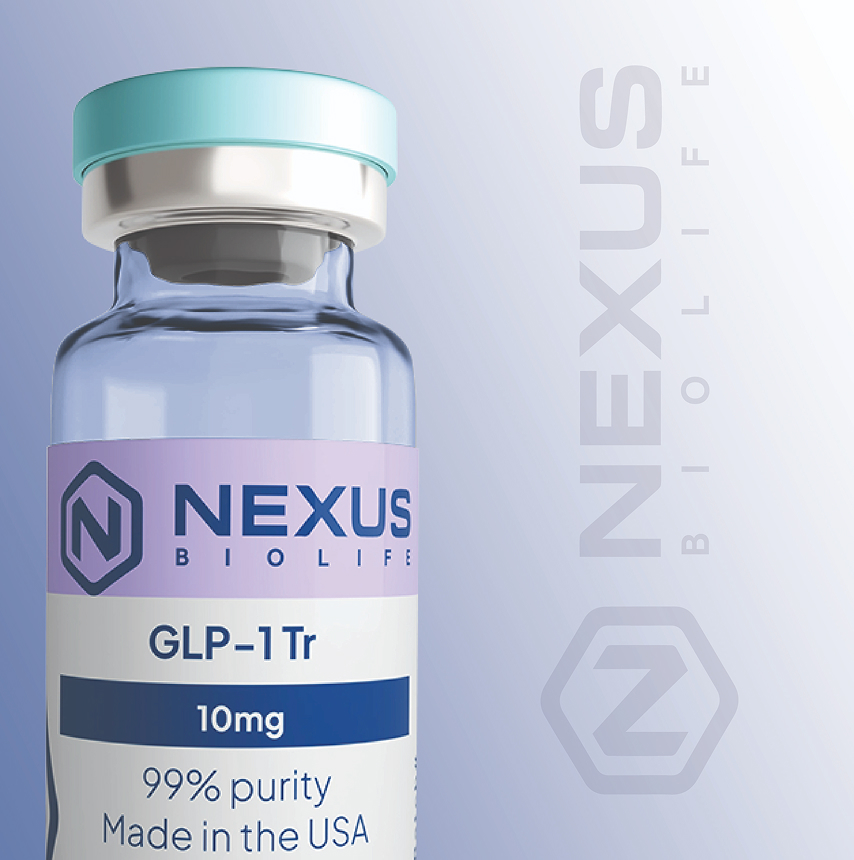


Retatrutide has emerged as one of the most closely watched peptide therapies in metabolic disease research. As obesity and type 2 diabetes rates continue to rise globally, the demand for treatments that deliver meaningful and sustained outcomes has intensified.
Retatrutide, an investigational triple agonist developed by Eli Lilly, represents a new direction in peptide therapeutics by targeting multiple metabolic pathways at once.
The global peptide therapeutics market reflects this momentum. Market analyses estimate growth from approximately USD 52.59 billion in 2025 to over USD 87 billion by 2035, driven largely by metabolic, oncologic, and neurologic applications.
Within this expanding field, Retatrutide stands out due to its novel mechanism and its ability to produce weight loss outcomes that approach those previously seen only with bariatric surgery.
This article examines Retatrutide from a clinical and regulatory perspective. It explores its mechanism of action, reviews available efficacy and safety data, assesses its development status, and considers its long-term viability in obesity and type 2 diabetes care.
Obesity and type 2 diabetes are among the most pressing public health challenges worldwide. Together, they contribute to cardiovascular disease, chronic kidney disease, fatty liver disease, and reduced life expectancy. While lifestyle modification remains foundational, pharmacotherapy plays an essential role for many patients.
Existing drug classes, including GLP 1 receptor agonists, have transformed metabolic care. However, many patients do not achieve sufficient weight loss or experience diminishing effects over time. Others struggle with tolerability or adherence. These limitations have driven interest in multi receptor agonists that can address appetite, energy expenditure, and glucose regulation simultaneously.
Retatrutide was designed to meet this unmet need. By activating three key hormonal pathways involved in metabolism, it aims to deliver broader and more durable metabolic control than single or dual agonist therapies.

Retatrutide is a synthetic polypeptide engineered to act as a triple agonist at the GIP receptor, GLP 1 receptor, and glucagon receptor. This combination distinguishes Retatrutide from currently approved obesity and diabetes drugs.
Each receptor target contributes a distinct metabolic effect. When combined, they produce a synergistic response that impacts appetite regulation, insulin secretion, hepatic metabolism, and energy expenditure.
GLP 1 receptor agonism is a proven strategy in metabolic disease. Activation enhances glucose dependent insulin secretion, suppresses inappropriate glucagon release, slows gastric emptying, and increases satiety. These effects support both glycemic control and weight reduction.
Retatrutide includes GLP 1 agonism as a core component, ensuring a foundation of metabolic effects similar to established therapies.
GIP is an incretin hormone that augments insulin secretion following nutrient intake. On its own, GIP has shown limited weight loss effects. However, when paired with GLP 1 agonism, it appears to enhance metabolic efficiency and improve tolerability.
The clinical success of tirzepatide validated this dual pathway approach. Retatrutide builds on this concept by adding a third metabolic lever.
Glucagon receptor agonism is the most novel component of Retatrutide. While glucagon raises blood glucose acutely, it also increases energy expenditure and promotes lipid oxidation. When balanced by GLP 1 and GIP mediated insulin effects, glucagon activation may drive additional fat loss without worsening glycemia.
This tri hormonal balance is central to Retatrutide’s differentiated profile.
Retatrutide has progressed rapidly through early clinical development based on strong efficacy signals. Phase 2 trials evaluated its impact on body weight, glycemic control, and cardiometabolic markers in adults with obesity, with and without type 2 diabetes.
The most widely cited data come from a Phase 2 obesity trial published in The New England Journal of Medicine.
In this randomized controlled study, adults with obesity received weekly injections of Retatrutide at varying doses for 48 weeks. The highest dose group achieved a mean weight reduction of approximately 24.2 percent from baseline. The placebo adjusted difference exceeded 21 percentage points.
For participants with an average baseline weight of just over 100 kilograms, this translated to nearly 25 kilograms of weight loss. These results exceeded those seen with many existing pharmacologic therapies.
Importantly, categorical outcomes were equally compelling. All participants receiving the highest dose achieved at least 5 percent weight loss. More than 80 percent achieved 20 percent or greater weight loss. Such outcomes suggest the potential for disease modifying effects rather than modest symptom control.
In participants with type 2 diabetes, Retatrutide demonstrated meaningful reductions in HbA1c alongside weight loss. Improvements in fasting glucose and insulin sensitivity were also observed. These findings support its dual role as an obesity and diabetes therapy.
Ongoing Phase 3 trials are designed to further evaluate glycemic endpoints over longer treatment durations and across broader populations.
The safety profile of Retatrutide is broadly consistent with incretin based therapies. Gastrointestinal adverse events were the most commonly reported effects. These included nausea, vomiting, diarrhea, and constipation.
Most events were mild to moderate and occurred during dose escalation. Discontinuation rates increased at higher doses but remained within an acceptable range for this drug class.
Importantly, early studies have not identified major safety signals related to cardiovascular outcomes or hypoglycemia. However, long term exposure data are still required, particularly given the inclusion of glucagon receptor agonism.
Retatrutide is currently in Phase 3 development for chronic weight management and type 2 diabetes. These large scale, randomized, placebo controlled trials are designed to confirm efficacy, assess long term safety, and support regulatory submissions.
One pivotal study registered on ClinicalTrials.gov under NCT04881760 evaluates Retatrutide over extended treatment durations. Additional trials are examining cardiometabolic risk factors, durability of weight loss, and patient reported outcomes.
These studies will be critical in determining dosing strategies, labeling scope, and post marketing requirements.
The regulatory pathway for Retatrutide follows established frameworks for chronic metabolic therapies. Agencies such as the FDA and EMA require robust evidence of sustained efficacy and acceptable long term safety.
Given the magnitude of weight loss observed in Phase 2 trials, Retatrutide may qualify for expedited regulatory pathways if Phase 3 data confirm benefit. However, no formal Fast Track or Breakthrough Therapy designation has been publicly announced to date.
Cardiovascular outcomes data will be a key consideration, particularly due to the inclusion of glucagon receptor activation. Regulators will also closely evaluate gastrointestinal tolerability and real world adherence potential.
If approved, Retatrutide will enter a competitive but rapidly expanding market. GLP 1 based therapies have already reshaped obesity care, and demand continues to outpace supply in many regions.
Retatrutide’s triple agonist mechanism offers a clear point of differentiation. Its ability to deliver profound weight loss may position it as a premium therapy for patients with severe obesity or multiple metabolic comorbidities.
Pricing, reimbursement, and manufacturing scalability will play significant roles in determining its market penetration. Accessibility will also influence whether its benefits extend beyond specialist settings.
The long term success of Retatrutide will depend on several factors. These include durability of weight loss, long term cardiovascular outcomes, comparative effectiveness against emerging therapies, and patient tolerability over years of use.
From a clinical perspective, Retatrutide represents a shift toward precision polyagonism in metabolic disease. Rather than intensifying a single pathway, it orchestrates multiple hormonal signals to restore metabolic balance.
As someone with experience in hospital pharmacy and clinical pharmacology, I view innovation as meaningful only when efficacy and safety align. Retatrutide appears to be moving in that direction, although confirmation from Phase 3 data remains essential.
If current trends hold, Retatrutide has the potential to become a cornerstone therapy in obesity and type 2 diabetes management, setting a new benchmark for what pharmacologic treatment can achieve.
Stay ahead of the clinical curve—the next great peptide is already in Phase 2. 💊
All human research MUST be overseen by a medical professional