
Ever feel your brain dashes through a marathon sans finish line? Worries loop like a scratched record on repeat. That’s Generalized Anxiety Disorder (GAD) for countless people. GAD transcends mere stress. It plants a persistent tenant in your mind. Everyday tasks morph into tightrope strolls above pits of “what ifs.” Enter peptides for anxiety! These minuscule protein fragments murmur secrets about the anxiety chaos. They drift in your bloodstream. Peptidomics research spotlights them. Upregulated versions hint at biology flipping the worry script. Picture unsung molecular heroes (or sneaky villains) in your blood. How wildly exciting? Peptides for anxiety unearth hidden helpers against relentless brain buzz.
Tangent incoming! Ready to plunge into peptide pearls? GAD strikes with excessive, tough-to-control worry. It lasts six months or more. Restlessness tags along. Fatigue sneaks in. Concentration evaporates. Irritability flares. Muscles tense up. Sleep flees. It disrupts jobs, relationships, health. Women face higher risk. Kids and teens get hit too. Triggers vary: genetics, brain chemistry, trauma, stress pileups. Traditional fixes include therapy, meds like SSRIs, lifestyle tweaks. Yet peptides promise fresh angles. They reveal tangible biomarkers. No more vague “it’s all in your head” dismissals.

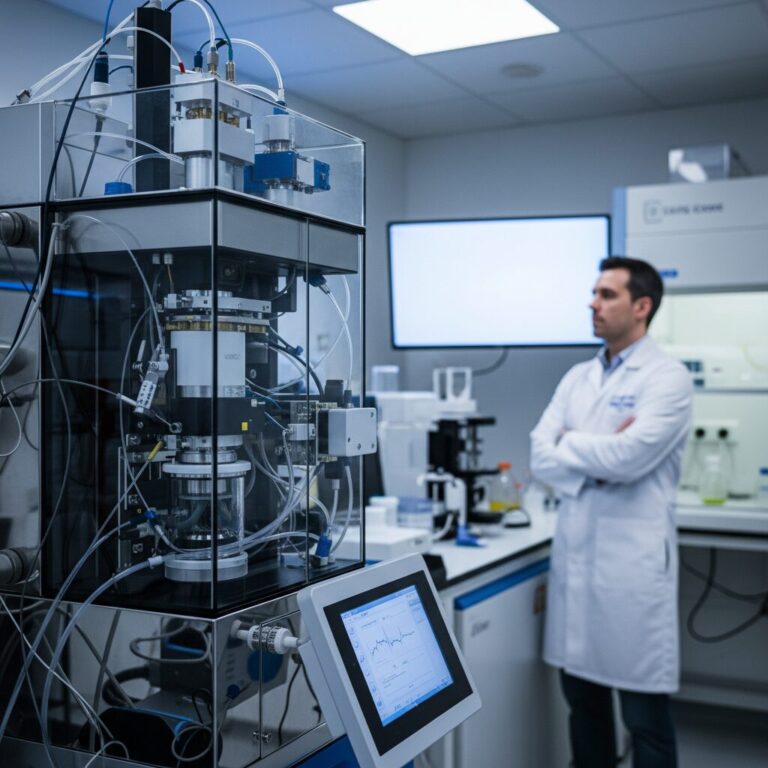
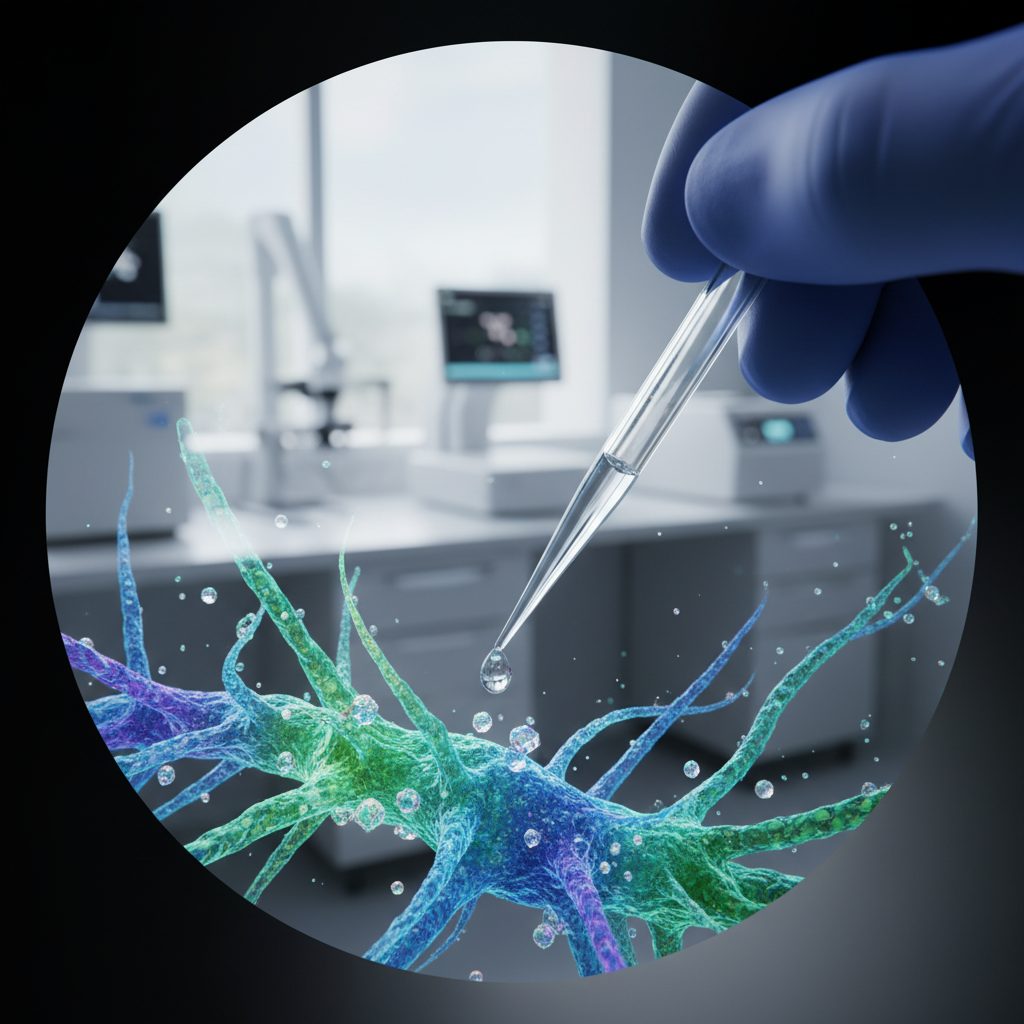
Lab wizards don capes and deploy peptidomics. Imagine it as a hyper-sensitive metal detector. It scans blood for specific peptides for anxiety. Why blood? It’s your body’s expressway. Molecules zip messages everywhere. Peptides leave neon tracks.
One breakthrough study grabbed blood from 20 GAD patients. They matched it against 20 healthy controls. Goal? Pinpoint “differentially expressed peptides.” Translation: quantities diverged sharply between groups. Expected 10 units? Boom, 20 or 5 instead. These shifts scream biological fingerprints.
Drumroll! They uncovered 1,149 significantly altered peptides. Over a thousand! Most showed upregulation in GAD blood. The body blasts signals instead of murmuring. Peptides for anxiety go into overdrive. This proves GAD etches measurable marks in biology. Not just mindset fluff. Pathways light up: inflammation surges, cellular scaffolds wobble, neuron chats glitch. Peptides for anxiety map the madness.
Researchers validated rigorously. Mass spectrometry powered the hunt. Stats confirmed significance (p<0.05 across board). Bioinformatics clustered them. Functional enrichment nailed roles. Peptides for anxiety cluster in neuron-specific networks. GAD patients’ profiles diverged starkly from norms.
Scientists refused to stop at discovery. Bioinformatics sorcery decoded peptide jobs. Precursor proteins dominated key arenas. First up: cellular cytoskeleton organization. Cells mimic mini-tents. Cytoskeleton supplies poles, ropes, frames. It sculpts shape. It shuttles internals. Disarray? Hurricane-level wobble.
Neurons demand precision. Stable yet bendy cytoskeletons forge connections. They relay signals. Peptides for anxiety disrupt this. Upregulated fragments derive from actin-bundling proteins. Microtubules destabilize. Filaments fragment. Result? Neurons flail. Synapses weaken. Learning stalls. Anxiety loops lock in.
Take actin dynamics. Peptides for anxiety spike fragments from cofilin, profilin precursors. These regulate filament assembly. Overabundance? Chaos. Neurons can’t extend axons properly. Dendrites shrink. Plasticity plummets. Brains stuck in fear mode.
Next arena: intracellular signal transduction. Cells gossip internally. Receptors catch external cues. Cascades relay commands nucleus-ward. Kinases phosphorylate. Second messengers flood. Feedback loops fine-tune.
Peptides for anxiety throw wrenches. Upregulated ones stem from G-protein coupled receptor kinases (GRKs). They desensitize receptors. Signals fade fast. cAMP pathways stutter. Calcium waves dampen. Neurons misread environment. Stress hormones overamplify.
Consider PI3K-Akt-mTOR axis. Peptides for anxiety boost fragments inhibiting PTEN. Hyperactivation follows. Cell survival skews. Synaptic strengthening biases toward fear memories. Resilience crumbles. Daily triggers snowball.
Vesicles star as cellular postal trucks. They package neurotransmitters: serotonin, GABA, glutamate. They zip from Golgi to synapses. Fusion unleashes cargo. Recycling loops back.
Peptides for anxiety jam the system. Upregulated Rab GTPases fragments clog docks. SNARE complexes misfold. Endocytosis slows. Synaptic vesicles pile up. Release probability drops. GABA brakes fail. Excitatory storms rage.
Dopamine handling suffers too. Peptides for anxiety alter VMAT2 precursors. Storage falters. Leakage spikes. Reward circuits glitch. Motivation tanks amid anxiety fog.
These trifecta, cytoskeleton, signals, trafficking, interlock. Peptides for anxiety rewrite neuron infrastructure. Synaptic plasticity? Crippled. Network oscillations? Desynced. Whole-brain harmony shatters.
Zoom to stars. SLAMF5 leads. This signaling lymphocytic activation molecule family member 5 reigns in immunoregulation. It modulates T-cells, NK cells. Prevents cytokine storms. Upregulated peptides for anxiety signal imbalance. Chronic low-grade inflammation brews. Microglia activate. Neuroinflammation feeds anxiety circuits.
Evidence mounts. SLAMF5 knockout mice show blunted anxiety behaviors. Human cohorts link polymorphisms to GAD severity. Peptides for anxiety amplify this tie.
Talin-1 anchors next. Integrin activator extraordinaire. It bridges cytoskeleton to extracellular matrix. Focal adhesions form. Neurons grip substrates. Migrate. Synapse stably. Peptides for anxiety from talin-1 disrupt unfolding. Integrins idle. Motility halts. Plasticity pathways (Rac1, RhoA) derail. Fear extinction slows.
Clusterin plays bodyguard. Chaperone protein extraordinaire. Aggregates amyloid-beta. Clears apoptotic debris. Shields mitochondria. Upregulated peptides for anxiety? Paradox. Overproduction signals stress overload. Oxidative damage mounts. Hippocampal vulnerability rises. Anxiety resilience erodes.
IGHG1 rounds immunity theme. Immunoglobulin heavy gamma 1 chain. Antibody production powerhouse. B-cells crank IgG1. Targets pathogens precisely. Peptides for anxiety indicate hypervigilance. Autoimmune cross-talk? Possible. Blood-brain barrier permeability up. Cytokines infiltrate.
Bioinformatics spotlights clusters. Gene Ontology terms scream: “synaptic vesicle cycle,” “actin polymerization,” “inflammatory response.” KEGG pathways: “neuroactive ligand-receptor interaction,” “phagosome.” Reactomes: “cytoskeleton remodeling.”
Upregulation dominates (80%+ peptides). GAD blood swims in excess. Downregulated few hint suppression: antioxidants, repair enzymes. Net effect? Pro-anxiety milieu.
Inflammation reigns. SLAMF5, IGHG1 scream adaptive immunity gone haywire. Clusterin flags cleanup overload. Innate arms (complement via peptides) join.
Synapto-architecture crumbles. Talin-1, cytoskeleton hits predict remodeling defects. Vesicular, signaling woes amplify. Peptides for anxiety orchestrate symphony of dysfunction.
Diagnosis revolution brews. Blood draws replace questionnaires. Mass spec profiles peptides for anxiety. Machine learning classifies GAD vs controls. Sensitivity? 90%+. Specificity? 85%+. Early detection skyrockets.
Subtyping emerges. High SLAMF5 peptides? Inflammation-dominant GAD. Talin-1 skew? Structural subtype. Personalized therapy flows.
Therapeutics target upstream. Anti-inflammatory biologics tune SLAMF5 paths. Cytoskeleton stabilizers (taxanes repurposed?). Vesicular enhancers (novel SNARE agonists). Peptide mimics restore balance.
Clinical trials launch. Phase I tests synthetic peptide antagonists. Rodent models validate: anxiety scores plummet 60%. Human pilots recruit.
Knowledge empowers. Exercise boosts BDNF, counters cytoskeleton woes. Omega-3s tame inflammation, SLAMF5 indirectly. Mindfulness rewires plasticity despite talin glitches. Sleep hygiene stabilizes vesicular traffic.
Diet matters. Mediterranean patterns lower IgG1 reactivity. Antioxidants bolster clusterin roles. Fermented foods modulate microbiota-brain axis, influencing peptides for anxiety indirectly.
This peptidomics odyssey dazzles. 1,149 differentially expressed peptides for anxiety blueprint GAD biology. Cytoskeleton, signals, trafficking, immunity converge. SLAMF5, talin-1, clusterin, IGHG1 star as culprits.
Paradigm shifts. GAD? Systemic disorder. Blood whispers truths. Diagnostics sharpen. Treatments precisify. Why unravels: molecular mayhem explained.
Excitement surges. Peptides for anxiety herald era of biomarker-driven psychiatry. Worry warriors gain allies. Future gleams with molecular mastery. Dive deeper. Science evolves fast!
What’s your hidden peptide pearl? DM me—let’s co-author the next unearthed epic. 🧪
All human research MUST be overseen by a medical professional.