

Metabolic health is often talked about, yet rarely explained in a way that feels clear and grounded. One day the conversation revolves around protein shakes, the next it is about peptides or supplements that promise dramatic results. As a result, many people feel overwhelmed and unsure about what actually supports metabolic health and what is simply another trend.
The truth is that metabolic health is not about chasing the latest idea. It is about understanding how your body processes food, manages energy, regulates blood sugar, and maintains balance over time. When we move past hype and focus on evidence, metabolic health becomes far more approachable and far more empowering.
Instead of quick fixes, this article focuses on what science actually shows. We will explore peptides, fiber, gut health, fermented foods, and protein quality, all through the lens of metabolic health and long term wellbeing.
Metabolic health refers to how efficiently your body converts food into energy and how well it regulates key processes such as blood sugar, cholesterol, inflammation, and fat storage. Good metabolic health is linked to stable energy levels, better weight regulation, and reduced risk of chronic disease.
Many people assume metabolic health is only about weight. In reality, it is much broader. Someone can appear thin and still have poor metabolic health if blood sugar or inflammation is poorly controlled. On the other hand, improving metabolic health often leads to better weight outcomes as a side effect rather than the primary goal.
Understanding this bigger picture helps explain why extreme diets and miracle supplements rarely work for long.

Peptides are short chains of amino acids that act as messengers in the body. They help cells communicate and play roles in digestion, immune function, and hormone signaling. Because hormones are deeply connected to metabolic health, peptides have gained a lot of attention.
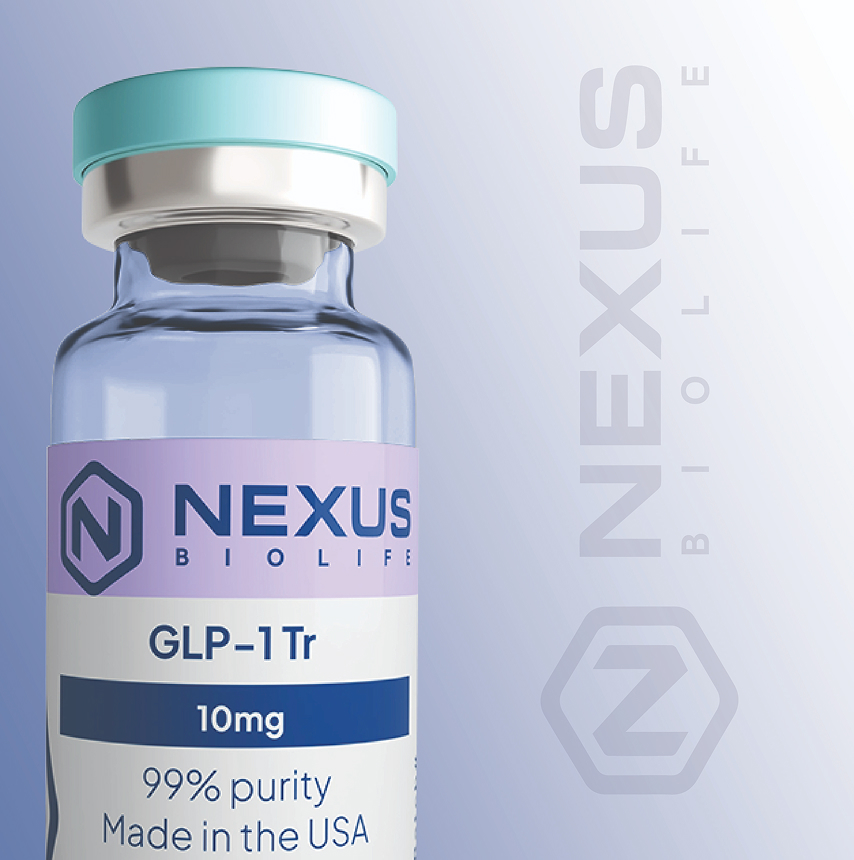
One peptide stands out in particular. GLP-1, or Glucagon-Like Peptide-1, is a hormone your body naturally produces. It helps regulate blood sugar, slows digestion, and signals fullness to the brain. These effects directly support metabolic health.
Medications that mimic GLP-1 have shown strong results for people managing blood sugar and body weight under medical supervision. Their success highlights how powerful targeted hormone pathways can be when supported by strong clinical evidence.
Fiction: All peptides improve metabolic health and support anti-aging or fat loss.
Fact: Only a small number of peptides, such as GLP-1, have strong evidence from large human trials. Many peptides marketed online are still experimental, with limited or no human data. According to experts like Tim Spector from ZOE, most non-GLP-1 peptides lack meaningful evidence for general metabolic health.
This does not mean peptides have no future. It means metabolic health decisions should be based on proven data rather than marketing claims. For now, peptides should be viewed as medical tools, not lifestyle shortcuts.
For years, carbohydrates have been blamed for poor metabolic health. However, the real issue is not carbohydrates themselves but the lack of fiber in modern diets.
Fiber plays a central role in metabolic health. It slows digestion, reduces blood sugar spikes, improves satiety, and feeds beneficial gut bacteria. These bacteria produce compounds that influence insulin sensitivity, inflammation, and energy balance.
Fiction: All carbohydrates damage metabolic health.
Fact: Fiber-rich carbohydrates such as whole grains, fruits, vegetables, and legumes actively support metabolic health. Refined carbohydrates that lack fiber are the problem, not carbohydrates as a whole.
Reintroducing fiber-rich foods is one of the simplest and most effective ways to improve metabolic health without restriction or complexity.
The gut microbiome refers to the trillions of microorganisms living in your digestive system. These microbes influence how food is digested, how nutrients are absorbed, and how inflammation is regulated. As a result, gut health and metabolic health are tightly linked.
A diverse and well-fed microbiome supports better blood sugar control and energy use. Fiber is the primary fuel for these microbes, which explains why low-fiber diets often correlate with poor metabolic health.
For a long time, probiotic supplements were seen as the solution. Today, research suggests that real food may be more effective for most people.
Fermented foods such as yogurt, kefir, sauerkraut, kimchi, and kombucha naturally contain beneficial microbes and the compounds they produce. These foods support metabolic health by improving gut diversity and microbial activity.
Fiction: Probiotic pills are always better than fermented foods for metabolic health.
Fact: Fermented foods often provide a broader range of microbes and bioactive compounds than supplements. Even remember that not all benefits come from live bacteria. Fermented foods also contain postbiotics, which are beneficial compounds created during fermentation. These postbiotics can support metabolic health even if some bacteria do not survive digestion.
The rising popularity of fermented foods reflects a shift toward simpler, food-first strategies for metabolic health.
Protein is essential for metabolic health because it supports muscle mass, satiety, and stable blood sugar. However, not all protein sources are equal.
Many ultra-processed foods now advertise high protein content. This trend is often called protein washing. These products may contain protein but also include refined sugars, unhealthy fats, and additives that undermine metabolic health.
Fiction: High protein labels automatically mean better metabolic health.
Fact: Whole food protein sources such as fish, eggs, legumes, nuts, seeds, and minimally processed meats provide protein alongside fiber, vitamins, and minerals. These nutrients work together to support metabolic health more effectively than isolated protein added to processed foods.
Choosing quality protein sources consistently has a stronger impact on metabolic health than chasing protein numbers alone.
Supplements are another area filled with confusion. While targeted supplementation can help correct deficiencies, more is not always better. Large supplement stacks often lack evidence and can sometimes interfere with metabolic balance.
Quality matters as much as quantity. Reputable brands that use third-party testing and transparent labeling are safer choices. However, supplements should support metabolic health only when a real need exists, ideally guided by medical testing.
Food remains the foundation of metabolic health, not pills.
Improving metabolic health does not require extreme diets or constant tracking. It requires consistent support for the systems that regulate energy, blood sugar, and inflammation.
The most reliable pillars of this include:
When these basics are in place, metabolic health improves gradually and sustainably.
Metabolic health is not a mystery once you remove the noise. While advanced therapies like GLP-1 medications show how powerful biology can be, everyday metabolic health is built through simple, repeatable choices.
Fiber, gut health, food quality, and evidence-based science matter more than hype. By focusing on what truly supports metabolic health, you give your body the tools it needs to function efficiently and resiliently over time.
Understanding your body is the first step toward changing it. Learning together allows better decisions, better health, and lasting results.
All human research MUST be overseen by a medical professional
¹ Freedman, A. (2025, December 30). These Nutrition Trends Will Rise & Fall in 2026, Experts Predict. Athletech News. Retrieved from [Provided Article Content]
² Mayo Clinic. (2023, August 30). Weight-loss drugs: A look at new options. Retrieved from https://www.mayoclinic.org/healthy-lifestyle/weight-loss/in-depth/weight-loss-drugs/art-20556276
³ American Heart Association. (n.d.). Whole Grains, Fiber and Heart Health. Retrieved from https://www.heart.org/en/healthy-living/healthy-eating/eat-smart/nutrition-basics/whole-grains-fiber-and-heart-health
⁴ Fortune Business Insights. (2023, June). Fermented Food Market Size, Share & COVID-19 Impact Analysis. Retrieved from https://www.fortunebusinessinsights.com/fermented-food-market-114382
⁵ Salminen, S., Collado, M. C., Endo, A., Gueimonde, M., Isolauri, E., Landfors, E., … & Vinderola, G. (2021). The International Scientific Association for Probiotics and Prebiotics (ISAPP) consensus statement on the definition and scope of postbiotics. Nature Reviews Gastroenterology & Hepatology, 18(9), 649-667.