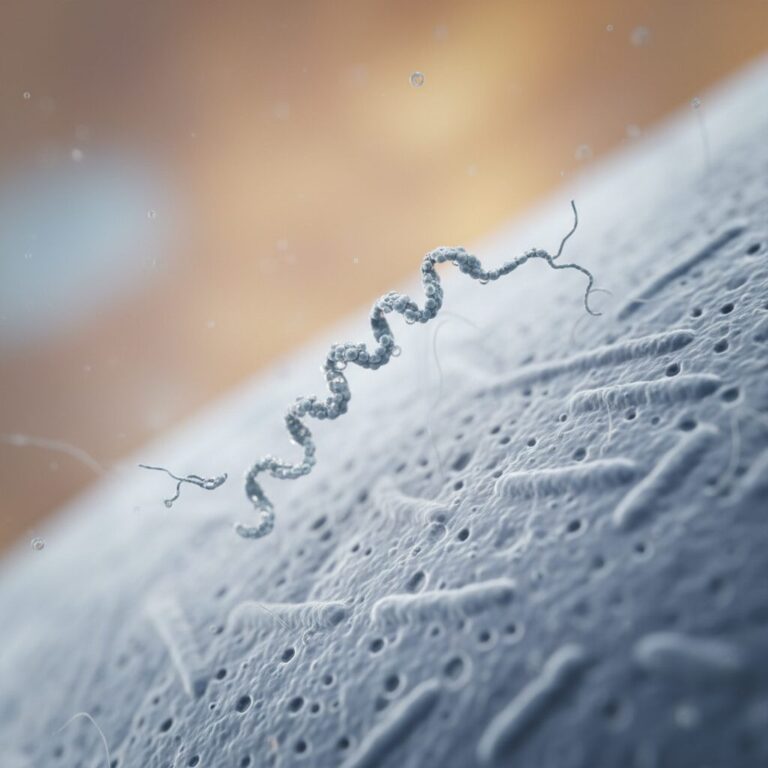

Marine peptides are making serious waves in modern skincare, and honestly, it is not just hype. If you have ever looked in the mirror and wondered where your glow went, marine peptides might be the ocean treasure your skin has been waiting for.
These tiny protein fragments, derived from marine life, act like smart messengers. They tell your skin cells to repair, rebuild, hydrate, and protect. And the science behind marine peptides is deeper than you might expect.
Let us take a curious dive together. Because when it comes to marine peptides, the story is equal parts biology, sustainability, and real skin transformation.
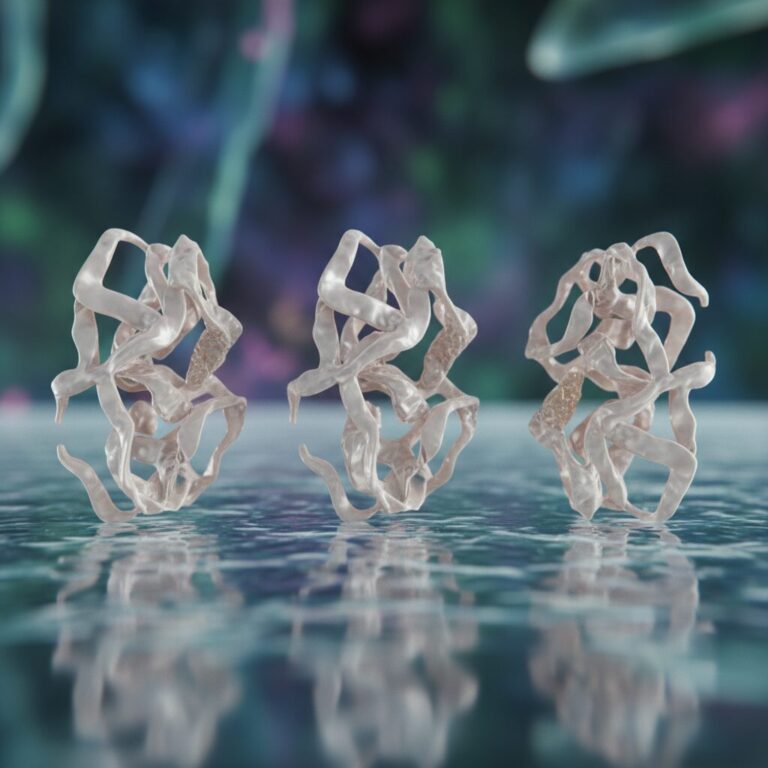
Marine peptides are short chains of amino acids derived from marine organisms such as fish, algae, jellyfish, and sea sponges. Amino acids are the building blocks of proteins. When proteins break into smaller fragments, they form peptides. These smaller fragments are easier for skin cells to recognize and use.
Marine peptides stand out because of their molecular size and structure. Many marine-derived peptides are smaller and more bioavailable than land-based collagen sources. As a result, they can penetrate the skin more efficiently when formulated correctly. Research published in journals such as Marine Drugs and the International Journal of Molecular Sciences has explored their antioxidant and skin-repair potential.
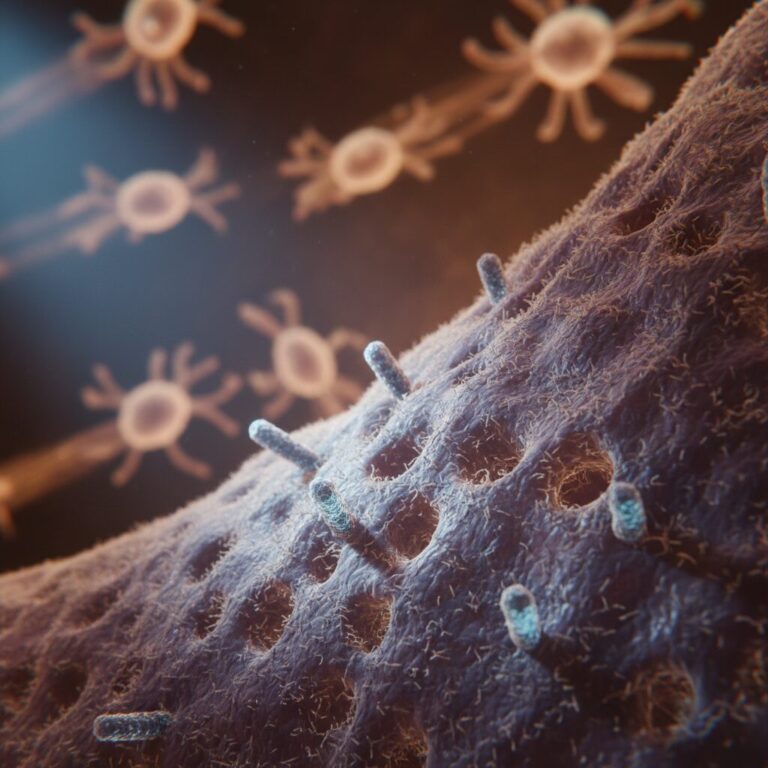
Unlike large collagen molecules, marine peptides function more like instruction signals. They encourage skin cells to produce collagen, elastin, and other structural proteins. Therefore, instead of simply sitting on the surface, marine peptides actively support skin renewal processes.
You often hear marine collagen and marine peptides used in the same breath. However, they are not identical.

Marine peptides are making serious waves in modern skincare, and honestly, it is not just hype. If you have ever looked in the mirror and wondered where your glow went, marine peptides might be the ocean treasure your skin has been waiting for. .
These tiny protein fragments, derived from marine life, act like smart messengers. They tell your skin cells to repair, rebuild, hydrate, and protect. And the science behind marine peptides is deeper than you might expect.
Let us take a curious dive together. Because when it comes to marine peptides, the story is equal parts biology, sustainability, and real skin transformation.
Marine peptides are short chains of amino acids derived from marine organisms such as fish, algae, jellyfish, and sea sponges. Amino acids are the building blocks of proteins. When proteins break into smaller fragments, they form peptides. These smaller fragments are easier for skin cells to recognize and use.
Marine peptides stand out because of their molecular size and structure. Many marine-derived peptides are smaller and more bioavailable than land-based collagen sources. As a result, they can penetrate the skin more efficiently when formulated correctly. Research published in journals such as Marine Drugs and the International Journal of Molecular Sciences has explored their antioxidant and skin-repair potential.
Unlike large collagen molecules, marine peptides function more like instruction signals. They encourage skin cells to produce collagen, elastin, and other structural proteins. Therefore, instead of simply sitting on the surface, marine peptides actively support skin renewal processes.
You often hear marine collagen and marine peptides used in the same breath. However, they are not identical.
Collagen is a large structural protein responsible for skin firmness and elasticity. Marine peptides are smaller fragments created when collagen undergoes hydrolysis. Because of their smaller size, marine peptides absorb more easily and can trigger cellular responses more efficiently.
Think of collagen as a full instruction manual. Marine peptides are highlighted pages from that manual. Your skin cells can read those pages quickly and respond faster.
Several comparative studies suggest marine collagen peptides show higher bioavailability than bovine collagen in hydrolyzed form. That means more of the active compound reaches tissues where it can support skin structure.
One of the biggest reasons marine peptides attract attention is their anti aging potential. However, their power lies in multiple coordinated actions rather than one dramatic effect.
First, marine peptides help neutralize free radicals. Free radicals form when skin faces UV exposure and pollution. These unstable molecules damage collagen and accelerate visible aging.
Studies on peptides derived from fish and jellyfish demonstrate antioxidant activity. They help reduce reactive oxygen species and support the skin’s natural defense enzymes such as superoxide dismutase.
Because oxidative stress drives premature aging, marine peptides play a protective role in maintaining smoother, brighter skin.
Collagen breakdown increases as we age. Enzymes called matrix metalloproteinases break down collagen fibers. UV exposure can accelerate this process.
Marine peptides may help reduce the activity of these enzymes. Research has shown that peptides from cod and oyster sources can reduce MMP expression in experimental settings. As a result, collagen degradation slows down, and skin structure remains more intact.
At the same time, certain marine peptides stimulate fibroblasts. These are the cells responsible for producing collagen and elastin. Therefore, marine peptides both protect existing collagen and support new production.
Hyaluronic acid keeps skin hydrated and plump. Unfortunately, enzymes such as hyaluronidase break it down over time.
Some marine peptides show inhibitory activity against hyaluronidase. This means they help preserve natural hydration levels. When hydration improves, skin looks fuller and smoother.
Microalgae-derived marine peptides, in particular, have shown promise in laboratory studies for maintaining hyaluronic acid balance.
Uneven skin tone often results from overproduction of melanin. The enzyme tyrosinase controls melanin synthesis.
Research suggests certain marine peptides may inhibit tyrosinase activity. When this enzyme slows down, melanin production becomes more balanced. Consequently, dark spots and hyperpigmentation may gradually appear less prominent.
Although more clinical studies are needed, early laboratory findings support the brightening potential of marine peptides in cosmetic formulations.
Healthy skin depends on a strong barrier. When the barrier weakens, moisture escapes and irritants penetrate more easily.
Marine peptides support skin barrier recovery by encouraging structural protein repair. Additionally, some marine peptides demonstrate antimicrobial properties. This can help maintain a balanced skin microbiome, especially in acne-prone individuals.
Studies in wound healing models have shown marine collagen peptides support re-epithelialization and tissue regeneration. While cosmetic products do not treat wounds, these findings highlight the regenerative potential of marine peptides.
Another reason marine peptides are gaining popularity is sustainability. Many marine peptides are derived from fish skin, scales, and processing by-products. Instead of discarding these materials, manufacturers transform them into valuable skincare ingredients.
This approach supports circular economy principles. It reduces waste and increases resource efficiency. As consumers increasingly prioritize eco-conscious products, marine peptides align with those values.
Extraction technology also continues to evolve. Methods such as enzymatic hydrolysis, supercritical fluid extraction, and pulsed electric fields improve purity and yield. These techniques ensure marine peptides maintain biological activity while meeting cosmetic safety standards.
Formulation matters just as much as ingredient selection. Marine peptides must remain stable and reach target layers of the skin.
Scientists are exploring nanoemulsions and liposomal delivery systems to improve peptide penetration. These technologies protect marine peptides from degradation and enhance their effectiveness.
Because peptides are sensitive molecules, proper formulation determines whether they truly deliver visible results.
It is a fair question. Eating fish provides protein and nutrients. However, dietary collagen is digested into amino acids during digestion.
Topical marine peptides and hydrolyzed supplements are designed differently. They contain specific peptide sequences that research suggests may influence skin biology. Therefore, while nutrition supports overall health, skincare formulations deliver targeted benefits.
Marine peptides represent a growing frontier in cosmetic science. Researchers continue to isolate new peptide sequences from algae, marine invertebrates, and deep-sea organisms.
At the same time, clinical trials are expanding. More human studies will clarify optimal concentrations, combinations, and long-term benefits.
As formulation science improves, marine peptides will likely appear in more advanced serums, moisturizers, and repair creams. Their multifunctional nature makes them attractive for anti aging, hydration, brightening, and barrier repair formulations.
When shopping for marine peptide products, look for transparency. Brands should clearly list peptide sources and concentrations when possible.
Additionally, check for complementary ingredients. Vitamin C, niacinamide, and ceramides often pair well with marine peptides. These combinations enhance overall skin resilience.
Finally, consistency matters. Marine peptides support gradual improvement. Therefore, regular use over several weeks yields the best visible results.
Marine peptides are more than a trend. They represent a fusion of marine biology, sustainability, and dermatological science. By acting as cellular messengers, marine peptides help protect collagen, support hydration, reduce oxidative stress, and encourage skin renewal.
While ongoing research continues to refine our understanding, current evidence supports their promising role in cosmetic formulations. As technology advances, marine peptides may become a cornerstone ingredient in next-generation skincare.
So if your glow feels lost at sea, perhaps it is time to explore what marine peptides can offer. Your skin’s ocean odyssey might just lead to calmer, brighter, and more resilient shores.
All human research MUST be overseen by a medical professional.