
Understanding Metabolic Mysteries can feel overwhelming at first. Every week there seems to be a new diet trend, a new supplement, or a new expert promising fast results. Many people are told to simply eat less and move more. While those habits matter, they only tell part of the story. Real metabolic health depends on hormones, cellular signaling, genetics, and how the body processes nutrients over time.
When these systems fall out of balance, people may experience fatigue, weight changes, blood sugar instability, or mineral imbalances. These issues are not simply about willpower. They often begin with how hormones communicate inside the body. Researchers continue to uncover how these complex processes work and how new scientific developments could support long term metabolic wellness.
Today we will explore the science behind hormones, oral peptides, and emerging research. This guide explains how scientists are working to solve some of the biggest Metabolic Mysteries in modern health.
The human body works like an orchestra. Hormones act as conductors that signal organs and tissues to perform at the right time. When signals become weak or inconsistent, the entire system can fall out of rhythm. Researchers now focus on restoring these signals instead of only treating symptoms.
One example is hypoparathyroidism, a rare endocrine disorder that affects calcium balance in the body.
Myth: Hypoparathyroidism is simply caused by low calcium intake and can be fixed by taking supplements.
Fact: Hypoparathyroidism occurs when the parathyroid glands do not produce enough parathyroid hormone. This hormone controls calcium and phosphorus levels in the blood and bones. Without enough hormone signaling, the body struggles to absorb calcium from food, release calcium from bones, and remove excess phosphorus.
As a result, people may develop low calcium and high phosphorus levels. Symptoms can include muscle spasms, fatigue, tingling, and kidney complications.
Conventional treatment usually includes calcium supplements and active vitamin D therapy. However, some patients still struggle to maintain stable levels. In those cases, doctors may prescribe parathyroid hormone replacement injections.
Researchers are studying investigational oral long acting parathyroid hormone therapies. These early stage studies aim to develop tablet based options that may improve treatment convenience and long term adherence. Early research suggests that oral delivery may work at lower doses compared to older oral attempts.
For readers exploring related hormone conditions, you can learn more in our guide to endocrine disorders and hormone balance.
Another exciting area of research focuses on peptides that influence appetite, metabolism, and energy use. Many people have heard of GLP-1 medications for weight management. However, scientists are now studying peptides that target multiple hormone receptors at once.

Oxyntomodulin is one of the most promising examples.
Myth: All weight management peptides work only by reducing appetite.
Fact: Oxyntomodulin works as a dual receptor agonist. This means it activates both GLP1 receptors and glucagon receptors.
GLP1 signaling slows digestion and helps the pancreas release insulin. This improves blood sugar control and promotes feelings of fullness. At the same time, glucagon receptor activation may increase energy expenditure and influence how the liver processes fat.
Researchers believe this dual action could support weight loss and metabolic balance simultaneously. Early studies also explore potential anti fibrotic effects, although this research is still in early stages.
Scientists continue to study both injectable and oral versions of oxyntomodulin. Future research may reveal how these therapies could support broader metabolic health strategies.
If you want a deeper explanation of incretin hormones, visit our GLP1 and metabolic health resource center.
Peptides have traditionally required injections. The digestive system naturally breaks down proteins and peptides before they reach the bloodstream. This makes oral delivery extremely challenging.
However, new delivery platforms are being developed to protect peptides during digestion and improve absorption. These investigational technologies aim to allow peptide therapies to be taken as tablets instead of injections.
The potential benefits include improved convenience, better treatment adherence, and more accessible long term care. Scientists believe oral delivery could change how many chronic conditions are managed in the future.
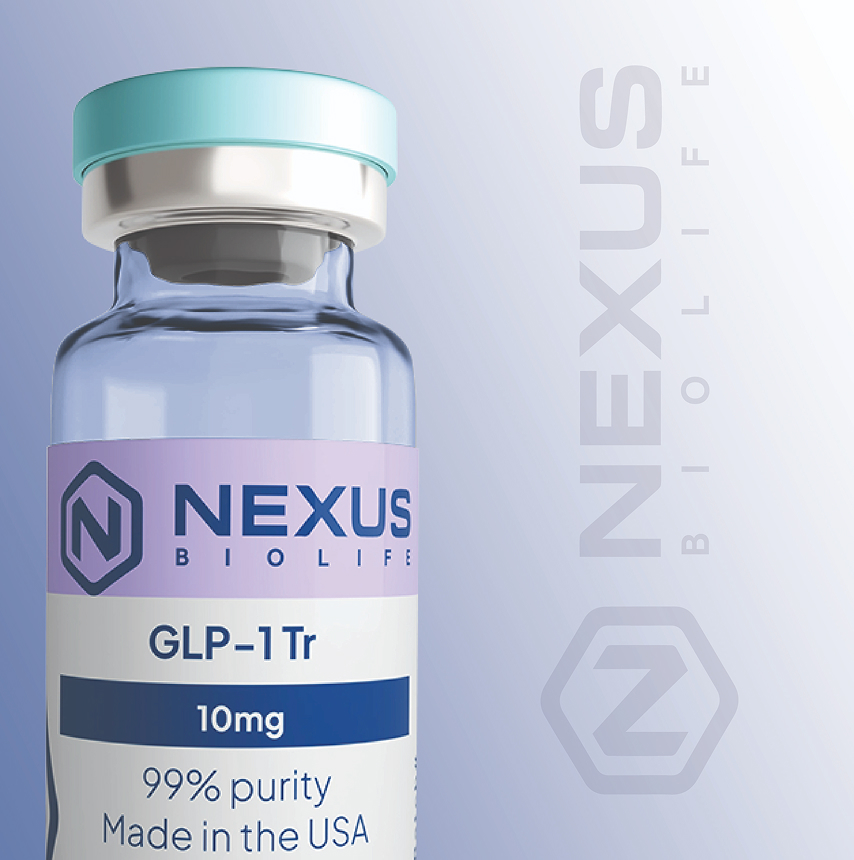
As interest in peptides grows, unregulated products have appeared online. These products often claim to be research grade peptides. However, they may lack proper testing, quality control, and safety verification.
Using unverified compounds outside clinical research settings can be risky. Clinical trials follow strict safety protocols and regulatory oversight. Researchers carefully evaluate dosage, safety, and effectiveness before treatments become widely available.

Metabolic health affects nearly every system in the body. Hormone balance influences bone strength, energy levels, heart health, and long term disease risk. By studying hormone signaling and peptide research, scientists hope to create more targeted and personalized treatments.
These advances do not promise quick fixes. Instead, they offer deeper understanding and more precise solutions. The future of metabolic health will likely include a combination of lifestyle support, medical guidance, and carefully tested therapies.
Understanding Metabolic Mysteries is the first step toward improving long term health. As research continues, we move closer to safer and more effective ways to support the body’s natural balance.
All human research MUST be overseen by a medical professional.