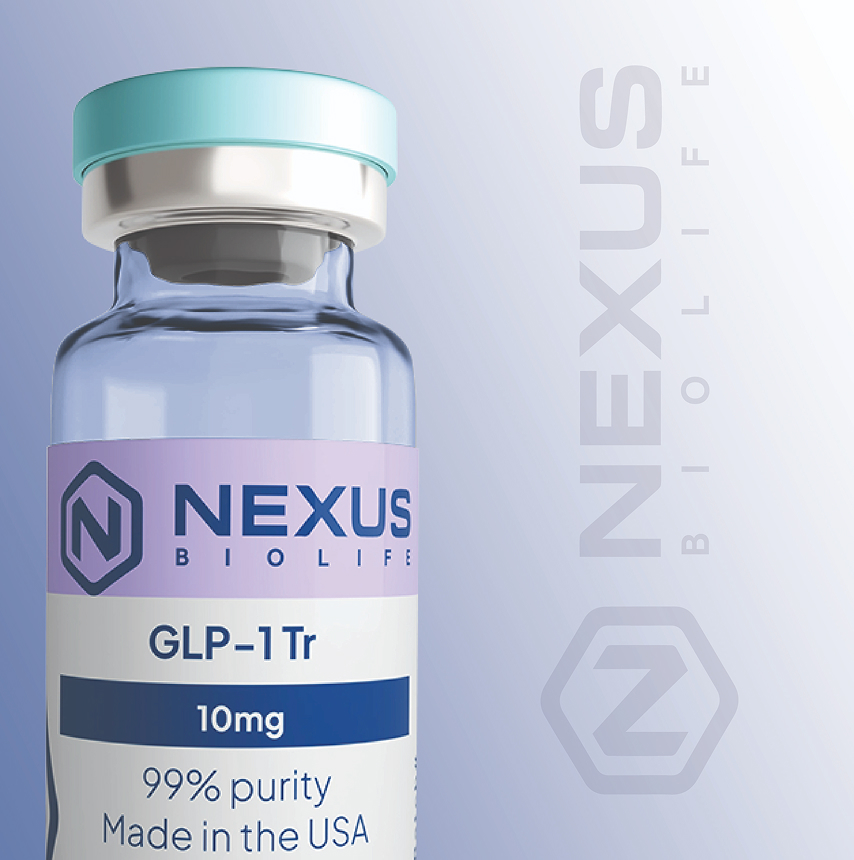

Metabolic Mayhem is not just a catchy phrase. It describes the confusion many people feel when their energy drops, weight shifts unexpectedly, or blood sugar becomes harder to control. You may hear that metabolism is only about calories or genetics. However, modern science tells a different story. Metabolic health depends on precise communication inside your body, and tiny messengers called peptides play a major role in that process.
At its core, Metabolic Mayhem happens when these signals lose clarity. Instead of smooth coordination, the body struggles to decide whether to store energy, burn it, or repair itself. Understanding how this communication works can help replace frustration with clarity.
To understand Metabolic Mayhem, it helps to look beyond organs and focus on cells. Every cell in your body constantly exchanges information. These signals guide how energy gets produced, stored, and used.
Peptides act as messengers in this system. They are short chains of amino acids that your body naturally produces. Their job is to tell cells what to do and when to do it. Some peptides influence appetite, others affect insulin release, inflammation, or fat metabolism. When these signals fall out of sync, metabolic stress builds over time.
This breakdown does not happen overnight. Instead, it develops gradually as signaling pathways respond to diet, sleep, stress, physical activity, and aging.
Peptides have become a major focus of metabolic research because of how precisely they act. Unlike broader hormones, peptides often target specific receptors and pathways. This precision makes them valuable tools for understanding metabolic dysfunction.
Researchers study peptide signaling to learn how the body regulates glucose, fat storage, and energy balance. In metabolic conditions, these signals may become weaker, delayed, or overly aggressive. Each of these issues can contribute to Metabolic Mayhem at the cellular level.
Today, peptide-based therapies represent a fast-growing area of biomedical research. Dozens of peptide medicines have received regulatory approval worldwide, and many more remain under investigation for metabolic diseases, hormone disorders, and inflammatory conditions.

Many people believe metabolism is locked in place. This idea makes Metabolic Mayhem feel unavoidable.
In reality, metabolism adapts constantly. Cells respond to incoming signals that reflect nutrient availability, activity level, and energy demand. Peptides influence these responses by adjusting how cells process glucose, burn fat, and manage energy stores.
Scientific research shows that modifying these signals can shift metabolic behavior. This flexibility explains why metabolism changes with lifestyle, illness, and aging.
At the center of Metabolic Mayhem are two critical signaling pathways: AMPK and mTOR.
AMPK acts like an internal energy monitor. When energy runs low, AMPK activates processes that help cells generate fuel more efficiently. It encourages fat burning, supports mitochondrial health, and reduces energy waste.
Researchers study how peptide signaling may influence AMPK activity, especially in conditions linked to insulin resistance and metabolic stress.
mTOR focuses on growth and repair. When nutrients are abundant, it promotes protein synthesis and cellular expansion. While this process is essential, constant activation can worsen Metabolic Mayhem by limiting metabolic flexibility.
Healthy metabolism depends on balance. Cells must switch smoothly between energy conservation and growth. Peptide signaling appears to help fine-tune this transition.
Metabolic Mayhem has pushed researchers to explore therapies that mimic natural signaling molecules. One prominent example is tirzepatide, a peptide-based drug used in the management of type 2 diabetes and obesity. It works by mimicking gut hormones involved in appetite and blood sugar regulation.
This research highlights an important principle. Peptides do not force the body into unnatural states. Instead, they attempt to restore signals that already exist but may function poorly.
It is important to distinguish between clinically studied peptide therapies and unregulated products found online. Clinical research involves controlled trials, safety monitoring, and precise dosing. Unverified sources often lack these safeguards and carry significant risks.
How peptides enter the body matters. Many peptide therapies use subcutaneous injection because it allows consistent absorption. This method currently dominates clinical use.
At the same time, researchers explore alternative delivery methods, including oral, nasal, and topical approaches. These methods aim to improve convenience and adherence while maintaining effectiveness. Innovation in delivery continues to shape how metabolic treatments evolve.
The scope of peptide research reflects the global burden of metabolic disease. Hundreds of active clinical trials examine how peptides influence diabetes, obesity, and metabolic syndrome. North America leads much of this research due to high rates of chronic metabolic conditions.
This growing body of evidence suggests that Metabolic Mayhem is not a mystery. It is a complex but measurable breakdown in cellular communication that science continues to map with increasing precision.
Metabolic Mayhem does not mean your body is broken. It means your cells are responding to mixed or weakened signals. By understanding how peptides, AMPK, mTOR, and metabolic pathways interact, you gain a clearer picture of why energy balance feels difficult at times.
Rather than chasing trends or quick fixes, focusing on credible research and biological understanding provides a steadier foundation. Science continues to refine how tiny messengers influence metabolic health, offering hope rooted in data rather than hype.
Understanding Metabolic Mayhem starts with learning how your body communicates. From there, informed decisions become possible, and confusion slowly gives way to clarity.
All human research MUST be overseen by a medical professional.