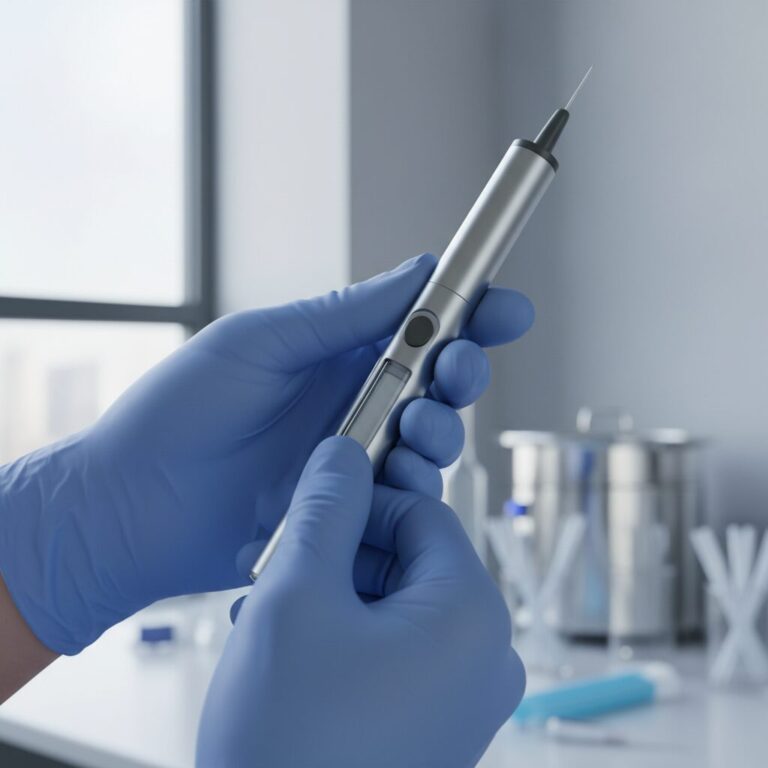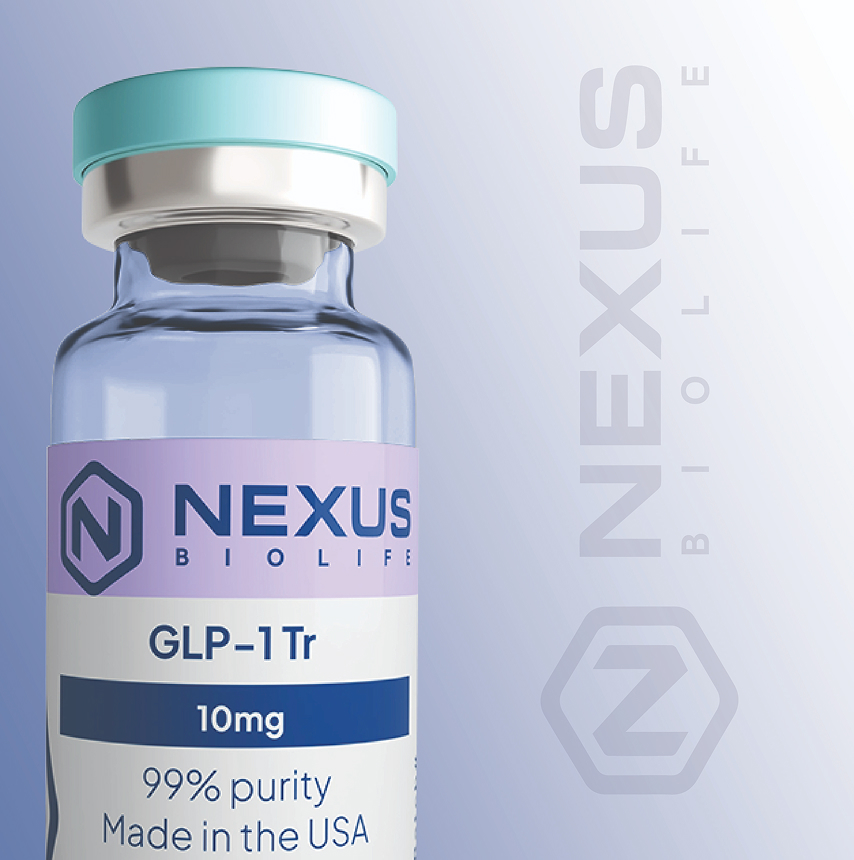

You know that moment when you look in the mirror and think your skin just looks tired. If that sounds familiar, you are not alone. This is exactly where cryo peptides enter the conversation. Cryo peptides are advanced skincare ingredients designed to support firmness, smoothness, and overall skin vitality using real science rather than empty promises.
For years, skincare felt like trial and error. However, today’s formulas rely more on research-backed ingredients. Cryo peptides are one of the biggest reasons for that shift. These small but powerful molecules work at the cellular level, helping your skin communicate, repair, and rebuild more effectively.
So let’s slow things down and understand how cryo peptide actually work, without the hype and without the confusion.
At their core, peptides are short chains of amino acids. Amino acids are the building blocks of proteins like collagen and elastin. Cryo peptide are not frozen ingredients, despite how the name sounds. Instead, the term cryo peptides is often used to describe high-performance peptide formulations designed for modern skincare systems.
What makes cryo peptides special is how they are formulated for stability and performance. They are designed to work efficiently in topical products while supporting skin renewal and strength. Because of their smaller size, peptides are able to interact with the outer layers of the skin and send signals that encourage healthier behavior.

Your skin functions through communication. Cells constantly send and receive signals that control repair, hydration, and aging. Cryo peptide act like messengers in this system.
When applied to the skin, cryo peptide interact with receptors on skin cells. As a result, they encourage processes such as collagen support, elasticity improvement, and barrier repair. While peptides do not penetrate deeply like injectable treatments, they still influence skin behavior at the surface level in meaningful ways.
This signaling role is why cryo peptide are widely used in advanced anti-aging formulas.
Signal cryo peptide are among the most researched peptide types. Their main job is to tell fibroblast cells to support collagen and elastin production.
Collagen keeps skin firm. Elastin helps skin snap back after movement. Over time, both naturally decline. However, signal cryo peptides help remind the skin to maintain these structural proteins.
Carrier cryo peptides have a different mission. They transport trace elements, such as copper, directly to skin cells.
Copper plays a key role in wound healing and tissue repair. Because of this, copper-based cryo peptides are commonly used in skin repair and firming products. They help support enzyme activity, cellular renewal, and overall skin strength.
Some wrinkles form due to repeated muscle movement. Neurotransmitter cryo peptide are designed to soften the appearance of these expression lines.
One well-known example is Acetyl Hexapeptide-8, often referred to as Argireline. This cryo peptide works by influencing neurotransmitter signals involved in muscle contraction. As a result, facial tension is reduced, which helps smooth dynamic wrinkles.
Your skin naturally contains enzymes like collagenase and elastase. These enzymes break down old proteins. However, excessive activity can accelerate visible aging.
Enzyme inhibitor cryo peptides help slow down this breakdown. By limiting enzyme overactivity, they help protect existing collagen and elastin. This preservation plays a major role in maintaining firmness and elasticity.
Research published in dermatology journals supports this protective mechanism https://pubmed.ncbi.nlm.nih.gov/15807714/.
Not all cryo peptide are created equal. Formulation quality matters more than marketing.
Peptides are sensitive molecules. They must remain stable, properly preserved, and correctly delivered. Poor formulation can render even the best cryo peptides ineffective. This is why reputable brands invest heavily in formulation science and testing.
When done correctly, cryo peptides deliver visible improvements in texture, hydration, and smoothness.
The global demand for cryo peptides continues to rise. Markets like the United States, China, India, Brazil, and Germany are seeing strong growth. Consumers are becoming more ingredient-aware and increasingly demand science-backed solutions.
Market research firms such as Grand View Research and Future Market Insights report continued growth in peptide-based skincare due to anti-aging and skin repair demand.
Not all peptide products are safe. Online marketplaces sometimes sell unregulated research-grade peptides. These products often lack safety testing and quality control.
For this reason, it is best to choose established skincare brands that invest in clinical research and formulation integrity. Trusted brands prioritize safety, stability, and proven results.
Cryo peptides represent a smart evolution in skincare. They support communication, repair, and protection using real science. While they are not overnight miracles, consistent use of well-formulated cryo peptide can lead to healthier, more resilient skin over time.
Understanding how cryo peptide work empowers you to make better skincare choices. And when science meets consistency, glowing skin follows.
All human research MUST be overseen by a medical professional.