
Metabolic Harmony is more than a wellness phrase. It reflects how balanced insulin, stable hormones, and controlled inflammation work together to protect long term health. When metabolic systems fall out of balance, the effects ripple across the body. One area that researchers are studying closely is the connection between Metabolic Harmony and endometrial health. New evidence suggests that improving metabolic regulation may lower the risk of endometrial cancer in certain high risk populations.
You have probably heard plenty of mixed messages about metabolism. One week the focus is weight. The next week it is blood sugar. However, metabolism is not just about numbers on a scale. It is about how your cells respond to insulin, how inflammation behaves, and how hormones communicate. When these systems operate in sync, that is Metabolic Harmony. When they do not, disease risk increases.
Now let us explore what science actually shows about Metabolic Harmony and uterine health.
Metabolic Harmony describes a physiological state where glucose regulation, insulin sensitivity, lipid metabolism, and inflammatory signaling remain balanced. In practical terms, it means:
• Stable blood glucose levels
• Healthy insulin response
• Reduced chronic inflammation
• Balanced estrogen and progesterone signaling
When these systems operate efficiently, tissues receive the right signals at the right time. However, when insulin resistance develops, estrogen levels may become dysregulated. Chronic inflammation may also increase. Over time, this imbalance can influence the endometrium.
If you are new to this concept, we explore foundational principles in our guide to metabolic regulation and disease prevention.

Endometrial cancer is strongly associated with metabolic dysfunction. According to the National Cancer Institute and the American Cancer Society, obesity and type 2 diabetes significantly increase risk. These are not distant correlations. They are biologically connected.
Excess adipose tissue increases estrogen production. Elevated insulin levels promote cellular proliferation. Chronic inflammation creates a microenvironment that supports abnormal growth.
In other words, when Metabolic Harmony breaks down, the uterine lining may receive constant growth signals without sufficient regulatory balance.
Abnormal uterine bleeding often serves as an early warning sign. While not all abnormal bleeding indicates cancer, persistent symptoms should always be evaluated by a licensed medical professional.
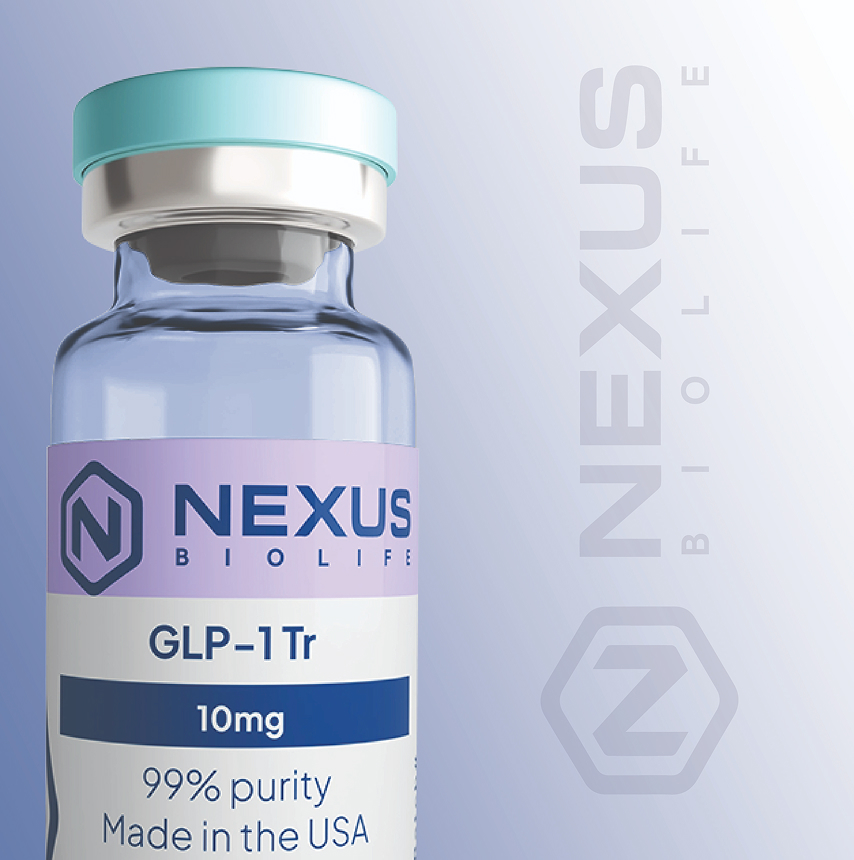
Glucagon Like Peptide 1 receptor agonists are medications originally developed for type 2 diabetes. They improve insulin secretion when glucose levels rise, reduce glucagon release, slow gastric emptying, and increase satiety.
The National Institute of Diabetes and Digestive and Kidney Diseases explains that these effects help restore metabolic regulation in patients with insulin resistance.
However, researchers have identified GLP-1 receptors beyond the pancreas. Endometrial tissue also expresses these receptors. This discovery suggests that therapies aimed at restoring Metabolic Harmony may have downstream effects on reproductive tissues.
Importantly, these medications are approved for diabetes and weight management. They are not approved as cancer prevention therapies. Any clinical application must occur under medical supervision.
A large cohort study published in JAMA Network Open in 2026 evaluated over 444,000 patients with nonmalignant uterine conditions. Researchers examined whether combining GLP-1 receptor agonists with progestin therapy reduced endometrial cancer risk compared with progestins alone.
The findings showed a significantly lower hazard ratio for patients receiving combination therapy. The reported hazard ratio of 0.34 suggested a strong association with reduced cancer risk.
Additionally, hysterectomy rates were lower in the group receiving GLP-1 therapy alongside progestins at both two and five year follow up points.
These results do not prove causation. Observational studies show associations, not definitive prevention. Still, the scale of the dataset strengthens the signal.
Researchers also compared outcomes with metformin combination therapy. In some analyses, GLP-1 therapy showed comparable or stronger associations.
You can review ongoing trials through ClinicalTrials.gov, which lists active studies exploring GLP-1 therapy in early stage endometrial cancer and metabolic intervention trials.
One proposed mechanism involves progesterone receptor sensitivity. Some preclinical data suggest GLP-1 signaling may enhance progesterone receptor expression in endometrial cells. If validated, this could improve responsiveness to progestin therapy.
Progesterone resistance represents a major challenge in managing endometrial hyperplasia. Therefore, restoring receptor sensitivity may support more effective treatment outcomes.
In addition, insulin reduction plays a critical role. High insulin acts as a growth factor. By improving insulin sensitivity, GLP-1 therapy may reduce proliferative signaling in estrogen sensitive tissues.
This improvement reflects restored Metabolic Harmony at the cellular level.
Chronic inflammation is another driver of endometrial cancer risk. Obesity and insulin resistance increase inflammatory cytokines. These molecules create a pro growth environment.
GLP-1 receptor activation has demonstrated anti inflammatory effects in metabolic tissues. Lower inflammatory signaling may contribute to improved cellular regulation.
Furthermore, mitochondrial function appears to improve with metabolic correction. Healthy mitochondria generate energy efficiently and reduce oxidative stress. Reduced oxidative stress decreases DNA damage risk.
Together, these mechanisms reinforce the broader concept of Metabolic Harmony. When inflammation decreases, insulin stabilizes, and hormones balance, tissues operate under healthier regulatory signals.
Metabolic Harmony does not affect only one organ. It influences cardiovascular health, liver function, and cancer risk across multiple tissues.
A separate retrospective study published in JAMA Oncology examined GLP-1 receptor agonists and overall cancer incidence in patients with obesity. Researchers observed modest reductions in certain obesity associated cancers, including endometrial cancer.
Again, these findings are associative. They do not confirm prevention. However, they support the idea that systemic metabolic correction influences long term disease risk.
We discuss broader systemic impacts in our article on insulin resistance and multi organ disease pathways.
While medications attract attention, lifestyle remains foundational. Sustainable Metabolic Harmony requires:
• Consistent physical activity
• Balanced macronutrient intake
• Adequate sleep
• Stress regulation
• Weight management when appropriate
GLP-1 therapies may support metabolic correction in specific patients. However, they do not replace lifestyle interventions.
Moreover, individualized medical evaluation is essential. Treatment plans must consider overall health status, reproductive goals, and cancer risk profile.
Randomized controlled trials remain necessary to determine whether GLP-1 therapies directly reduce endometrial cancer incidence. Current clinical trials are exploring:
• GLP-1 therapy with levonorgestrel intrauterine systems in early stage disease
• Structured weight loss interventions including GLP-1 therapy in patients with obesity and cancer
These studies will clarify whether Metabolic Harmony interventions translate into measurable reductions in cancer development or recurrence.
Until then, clinicians must interpret observational data carefully.
GLP-1 receptor agonists are prescription medications. They carry potential side effects, including gastrointestinal symptoms and rare complications.
They are not approved as preventive oncology treatments.
All human research and treatment decisions must be guided by licensed medical professionals. Self directed use or off label application without supervision is not appropriate.
Metabolic Harmony should always be pursued within evidence based medical care.
Metabolic Harmony represents an integrated view of health. It connects insulin sensitivity, inflammatory control, hormonal balance, and tissue regulation into one coherent framework.
Emerging research suggests that restoring Metabolic Harmony may reduce risk factors associated with endometrial cancer. GLP-1 receptor agonists offer one example of how metabolic therapies could influence gynecologic outcomes.
However, science evolves step by step. Observational data provide direction. Randomized trials provide confirmation.
For now, the most powerful takeaway is this. When metabolic systems function in balance, the entire body benefits. Endometrial health does not exist in isolation. It reflects the broader metabolic environment.
Understanding Metabolic Harmony empowers informed conversations with healthcare providers. It encourages proactive risk reduction. Most importantly, it reminds us that prevention often begins with restoring balance at the cellular level.
Understanding your body is the first step toward protecting it. Let us continue learning together.
All human research MUST be overseen by a medical professional.