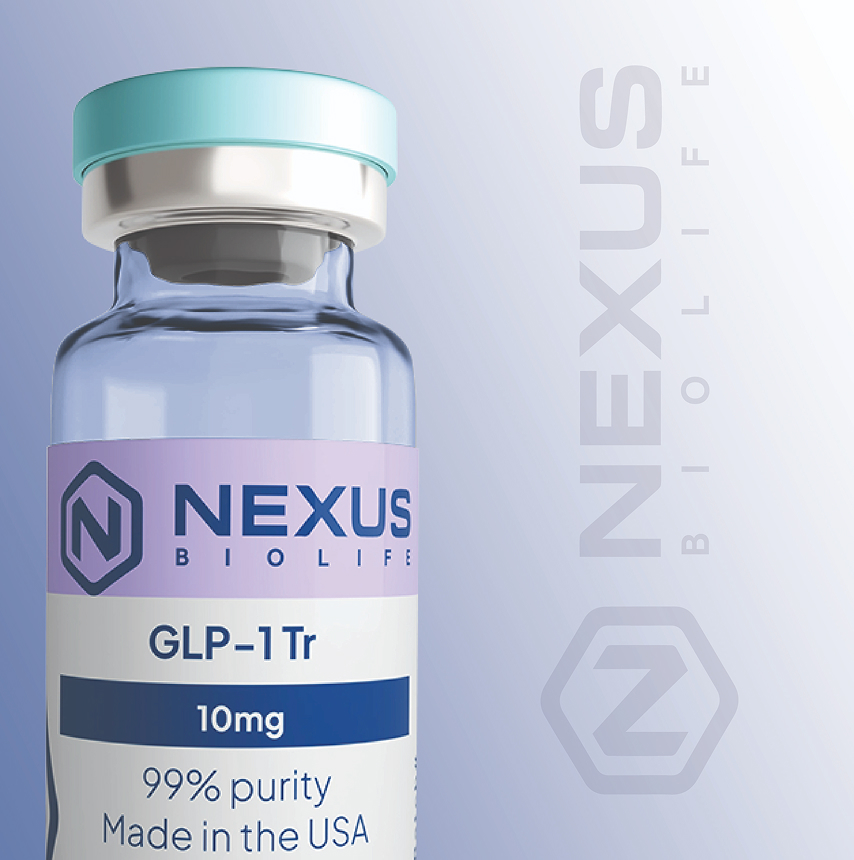

Unapproved peptides regulation is becoming a major topic in New Zealand as regulators increase warnings about the import and use of research peptides. Social media promotion and online sales have pushed these compounds into mainstream awareness. As a result, regulators, researchers, and biotech startups are paying close attention to the risks and responsibilities surrounding peptide use.
Medsafe, New Zealand’s medicines and medical devices safety authority, has repeatedly warned consumers about purchasing medicines online.
For anyone working in biotech, compliance, or peptide research, understanding unapproved peptides regulation is now essential.
Peptides are short chains of amino acids that act as signaling molecules in the body. Scientists study them for roles in metabolism, recovery, skin health, and cellular repair. This science is exciting and promising. However, most peptides being sold online have not been approved for human use.
Despite this, many online sellers label these compounds as “research use only.” This label suggests laboratory use only. In reality, many individuals purchase and self administer these products.
This trend has increased globally. Regulators in New Zealand, Australia, the United States, and the United Kingdom have all issued warnings about unapproved medicines and peptides sold online.
The rising demand has made unapproved peptides regulation a growing public health priority.

The phrase “research use only” sounds harmless. However, it creates confusion for consumers and a regulatory gap for authorities.
Approved medicines must follow Good Manufacturing Practice standards. These standards control purity, sterility, dosage accuracy, and contamination risk. Research peptides sold online do not follow these requirements.
This means consumers cannot verify what they receive. Products may contain incorrect dosages or harmful contaminants. The World Health Organization warns that substandard medical products can cause serious harm.
From a regulatory perspective, this situation creates a major safety concern.
New Zealand currently regulates medicines under the Medicines Act 1981. This law restricts the sale and promotion of medicines that have not been approved for safety and effectiveness.
In recent years, policymakers attempted to modernize the system through the Therapeutic Products Bill. The bill aimed to create a comprehensive regulatory framework for medicines, medical devices, and natural health products. Although the bill was repealed before implementation, the issues it addressed remain active policy priorities.
Because of this, experts expect continued regulatory reform in the future. Stronger oversight of therapeutic products, including peptides, remains under consideration.
This evolving landscape makes unapproved peptides regulation a key compliance issue for the biotech industry.
Social media has played a major role in the growth of peptide popularity. Online communities often discuss peptides for fitness, anti aging, and cosmetic purposes. Testimonials frequently promise dramatic results.
In research settings, scientists study peptides for potential effects on pathways such as AMPK and mTOR. These pathways influence metabolism, muscle repair, and cellular growth. However, most studies remain in preclinical or early clinical stages.
There is a major difference between controlled clinical research and unregulated self administration. Clinical trials carefully monitor dosage, safety, and patient outcomes. Online peptide purchases do not provide these safeguards.
This gap between research and consumer behavior is a key driver behind stronger unapproved peptides regulation.
Regulators focus on three major risks.
First, product quality cannot be guaranteed. Without regulated manufacturing, peptides may be impure or contaminated.
Second, dosage accuracy remains uncertain. Even small dosing errors can create serious health consequences.
Third, consumers often rely on marketing claims instead of scientific evidence. This can lead to unrealistic expectations and unsafe use.
Because of these risks, regulators continue to warn consumers about online peptide purchases.
The tightening regulatory environment has important implications for biotech companies and research organizations.
Startups developing peptide therapies must prioritize clinical development early. Regulatory approval requires strong safety and efficacy data. Companies that invest in compliance from the beginning will have a competitive advantage.
Researchers also play an important role. Clear communication about experimental compounds helps prevent misuse. Responsible messaging protects both public safety and scientific credibility.
These internal resources support a proactive compliance approach.
Unapproved peptides regulation is likely to become stricter in the coming years. Governments around the world are prioritizing safety and transparency in therapeutic products.
Future regulatory changes may include stronger import controls, clearer advertising rules, and tighter enforcement against misleading marketing. These steps aim to protect consumers while supporting legitimate scientific innovation.
For companies and researchers, the message is clear. Compliance is no longer optional. It is a strategic requirement.
The peptide industry holds tremendous scientific promise. However, long term success depends on responsible innovation and strong regulatory alignment.
Researchers should continue educating the public about the difference between experimental research and approved medicine.
When industry leaders embrace transparency and compliance, trust grows. This trust supports investment, collaboration, and long term growth.
Unapproved peptides regulation is reshaping the peptide landscape in New Zealand and beyond. Increased regulatory scrutiny reflects growing concern about public safety and product quality.
Researchers, startups, and compliance professionals must stay informed and adapt to this evolving environment. The most sustainable path forward combines scientific innovation with responsible regulation.
By prioritizing compliance, transparency, and ethical development, the peptide sector can continue to grow while protecting public health.
All human research MUST be overseen by a medical professional.