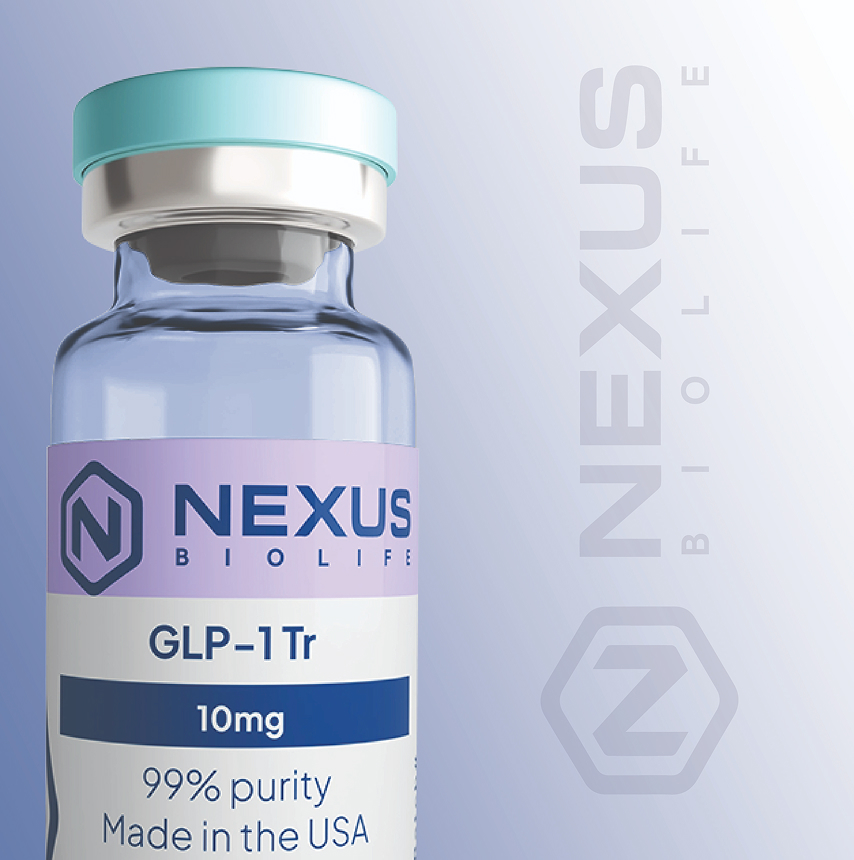

The growing interest in unapproved injectable peptides has created a new wave of wellness conversations. Many people believe these products offer quick benefits for anti-aging, performance, and recovery.
However, most of these peptides have never gone through FDA-required human studies. Because of this, the safety, effectiveness, and quality of these products remain unknown. This gap raises real health risks and important legal concerns for consumers and companies that distribute them.
At the center of the issue is how the FDA classifies these products. If a substance is intended to treat a condition, diagnose a disease, or change how the body functions, the FDA considers it a drug. Any drug sold in the United States must have FDA approval.
This approval confirms the product’s safety and effectiveness after extensive testing, which includes studies in humans. When companies sell unapproved injectable peptides, they skip the scientific and legal systems designed to protect public health. As a result, consumers rely on products with no verified proof of safety.
To understand why this matters, it helps to look more closely at how FDA regulation works.
 What FDA Approval Means in the Drug Development Process
The Federal Food, Drug, and Cosmetic Act gives the FDA authority to oversee drug safety. The approval process is designed to confirm whether a product is safe for human use. It involves several steps that companies must follow before they can sell a drug.
Researchers test a potential drug in laboratories and in animals. These results help determine whether the drug is safe enough for human studies.
Developers submit an IND to the FDA. It must include manufacturing details, animal study data, and the plan for human clinical trials. The FDA must clear this application before human testing starts.
Clinical trials occur in three phases:
New Drug Application (NDA)If the trials show that the drug is safe and effective, the company submits an NDA. The FDA reviews all research data before giving approval.
After approval, the FDA continues monitoring the drug for long-term effects, safety problems, or rare side effects.
This structured review protects the public. When companies market unapproved injectable peptides, they avoid all of these essential steps.
The main concern with unapproved injectable peptides is the lack of reliable scientific data. Without FDA-mandated studies, several risks remain unknown.
There is no confirmed information about short term or long term side effects. Dosage levels are unclear, and interactions with other medications are not documented. Many consumers also do not know how their body might react to a foreign compound.
Many product claims come from anecdotal reports or animal studies. These do not prove that the peptides work in humans.
Manufacturing controls vary widely. The FDA has reported impurities in peptides labeled for research use only. Incorrect concentrations, contaminants, and non sterile production can all lead to severe infections or unexpected reactions.
Marketing or distributing unapproved injectable peptides can lead to FDA enforcement actions. These may include product seizures, warning letters, injunctions, and criminal penalties. The FDA monitors this market closely and acts when a product endangers public health.
The rise of unapproved peptide sales creates challenges for legitimate developers and researchers. It also creates clear guidance. Companies that plan to develop true therapeutic peptides must follow FDA drug development pathways.
Preclinical research, IND submissions, and well designed clinical trials are not optional. They are required steps for any legal, science-based product.
Compliance teams also need to understand the difference between research grade peptides and peptides marketed for human use. Businesses must verify their suppliers, confirm product quality claims, and ensure that their marketing material follows FDA guidelines. Companies that ignore these requirements risk penalties and public health consequences.
A helpful way to understand this system is through a simple analogy. FDA approval is like a controlled burn in nature. It manages risk in a structured and supervised way. Selling unapproved injectable peptides is like an uncontrolled wildfire. It spreads quickly and unpredictably, and it can cause significant harm.
If low quality peptides continue to spread, it could lead to more restrictive regulations for the entire market. This could make it harder for legitimate peptide therapies to reach patients. Companies that follow compliance rules will gain trust and a competitive advantage. Their products are backed by science and approved by regulators, giving consumers confidence in their safety.
The popularity of unapproved injectable peptides reflects growing interest in new therapies. However, skipping the FDA approval process exposes consumers to health and legal risks. For researchers, startups, and compliance professionals, the direction is clear.
The safest and most effective path forward is strict adherence to FDA regulations. Following scientific standards protects public health and supports the development of trustworthy peptide therapies. Compliance is strategy. Always ensure that human research is supervised by licensed medical professionals.
¹ WQAD News 8. (2025, November 17). Risks surrounding injectable peptides, the latest wellness trend. YouTube.
² U.S. Food and Drug Administration. (2018, January 4). The Drug Development Process. FDA.gov.
³ U.S. Food and Drug Administration. (2024, May 22). FDA warns consumers about dangerous unapproved products marketed as peptides. FDA.gov.
⁴ U.S. Food and Drug Administration. (2023, July 11). FDA warns against unapproved use of certain injectable animal drugs in people. FDA.gov.
⁵ U.S. Food and Drug Administration. (2023, December 14). Insulin and Insulin Analogues: Background, Importance, and FDA Approval. FDA.gov. (Note: While not specifically about peptides, this source provides a good overview of the FDA’s stance on drug approval and quality, illustrating the stringency applied to all therapeutic substances).