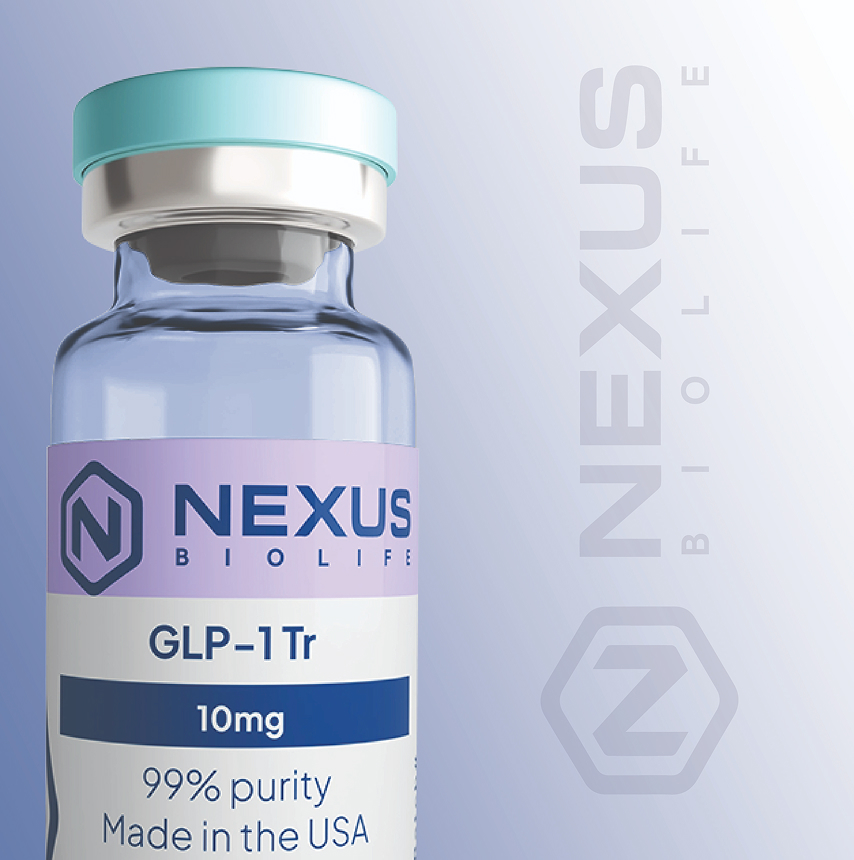

The global demand for every major GLP-1 therapeutic is rising faster than almost any other treatment class in metabolic medicine. The market is projected to grow from USD 53.46 billion in 2024 to more than USD 156 billion by 2030, which reflects a strong shift toward peptide-based therapies for chronic disease management.
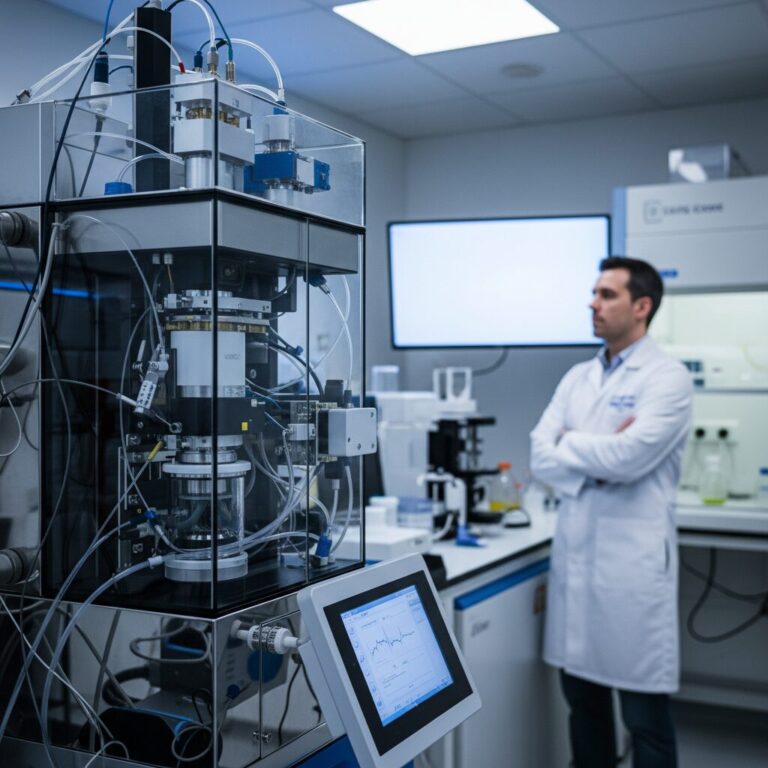
GLP-1 receptor agonists have changed how clinicians manage diabetes, obesity, cardiovascular risk, and even metabolic liver disease. However, the push toward market leadership depends on something most people never see. In fact, the future of every GLP-1 therapeutic relies on the precision and clarity delivered by high-resolution accurate mass spectrometry, also known as HRAM-MS.
Peptide drugs are powerful, but they are also structurally sensitive. A single modification can change activity, stability, or safety. This is why advanced mass spectrometry is becoming a central part of analytical strategy. It gives developers the confidence they need across early discovery, clinical development, and commercialization.

Every GLP-1 therapeutic, including semaglutide and liraglutide, offers major clinical advantages. Semaglutide is a 31 amino acid peptide that received FDA approval in 2017. It quickly became a standard in glycemic control and weight management.
Studies show that nearly 12 percent of American adults have used a GLP-1 drug for weight loss. This widespread adoption highlights the therapeutic value of the class, yet it also highlights the scientific rigor required to ensure purity and performance.
Peptides behave very differently from small molecules. They are larger, more intricate, and more prone to degradation. A GLP-1 therapeutic can undergo amino acid substitutions, deletions, or insertions during manufacturing.
It can also form impurities through oxidation, deamidation, or isomerization. Each of these changes can affect safety and efficacy. This is why regulatory bodies ask for complete impurity characterization throughout the lifecycle of a GLP-1 therapeutic.
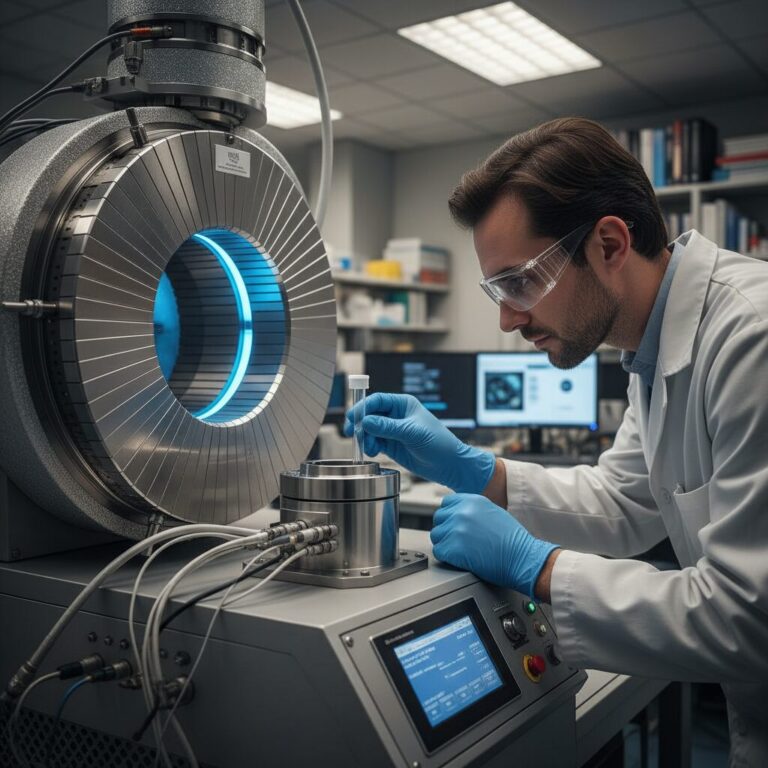
Traditional analytical tools can detect some variations but cannot always resolve low-level impurities or subtle structural shifts. This is where HRAM-MS becomes essential. It gives developers the ability to detect differences at extremely low concentrations with clarity and high selectivity.
Target: GLP-1 receptor
Indications: Type 2 diabetes, obesity, cardiovascular risk reduction
Approval Status: Marketed since 2017
Key Clinical Results:
• Superior blood glucose control
• Significant weight reduction
• Lower cardiovascular event risk
• Positive liver histology results in some MASH patients at the 2.4 mg dose
Mechanism of Action:
Semaglutide mimics the natural GLP-1 hormone. It stimulates glucose-dependent insulin secretion, reduces glucagon output, slows gastric emptying, and promotes satiety. A GLP-1 therapeutic works across several pathways, which makes stability and integrity critical.
If the structure deviates, the intended activity may shift, and the therapeutic window may become narrower.
The competitive landscape for peptide drugs is growing rapidly. To stand out, manufacturers need to maintain high structural accuracy from raw material to final product. Mass spectrometry helps accomplish this through several key functions.
A GLP-1 therapeutic can produce impurities during synthesis or storage. HRAM-MS offers unmatched ability to detect and quantify impurities that exist at trace levels. This includes peptide-related impurities that can influence clinical outcomes.
Peptide mapping verifies that each amino acid appears in the correct sequence. HRAM-MS supports mapping with high accuracy, and it can identify sequence variants, truncations, and modifications.
Peptide isomers often escape detection by older analytical platforms. Mass spectrometry can differentiate between isomers and confirm chirality, which is critical because GLP-1 therapeutics require precise stereochemical consistency.
Peptides may have disulfide bonds or other post-translational modifications. Mass spectrometry helps confirm these structures, which helps ensure proper folding and activity.
Mass spectrometry helps teams understand how a GLP-1 therapeutic responds to stress conditions. This includes thermal, oxidative, and photolytic environments. Such data guides formulation decisions and shelf-life predictions.
Regulatory agencies such as the FDA and EMA are very clear about the standards required for peptide drugs. They expect manufacturers to understand and control impurity profiles.
According to the FDA, differences in peptide-related impurities can change both safety and effectiveness when compared to a reference listed drug. This requirement applies to new drug applications, biosimilars, and abbreviated drug submissions.
Because of these expectations, mass spectrometry becomes essential rather than optional. It supports:
• Early discovery quality assessment
• Formulation development
• Bioanalytical support during clinical trials
• Batch release and quality control
• Long-term stability studies
• Comparability for biosimilar development
As patents expire for major GLP-1 therapeutic products, more companies are preparing biosimilar versions. Demonstrating similarity requires detailed molecular comparison, and mass spectrometry offers one of the strongest ways to prove equivalence.
Mass spectrometry supports development at every stage.
During early-stage research, scientists need to quickly evaluate many peptide variants. Mass spectrometry offers fast and accurate characterization, which helps eliminate unstable or nonfunctional candidates.
As formulations become more complex, degradation pathways become more important. Mass spectrometry provides real-time insight into pathways that could compromise purity or stability. This allows manufacturing teams to refine processes before a clinical setback occurs.
Regulators expect validated bioanalytical methods during clinical development. Mass spectrometry delivers sensitive detection for pharmacokinetic and pharmacodynamic studies. It also supports immunogenicity assessment, which is critical for peptide therapies.
Once a GLP-1 therapeutic reaches the market, each batch must match the reference standard. HRAM-MS enables batch-to-batch verification and gives quality teams the ability to resolve any deviation before release.
The rapid rise of the GLP-1 therapeutic market reflects a deeper transformation in modern healthcare. Peptide therapies continue to expand into new metabolic, cardiovascular, and liver disease indications. As research evolves, analytical expectations will rise as well.
Companies that invest in advanced mass spectrometry systems can shorten development timelines, reduce regulatory risk, and improve scientific confidence.
The future of GLP-1 therapeutic innovation will likely include combination therapies, oral peptide variants, and next-generation analogs with extended half-lives. Each of these advancements will require stronger analytical verification. Developers who adopt advanced MS platforms early will gain a competitive edge.
All human research MUST be overseen by a medical professional