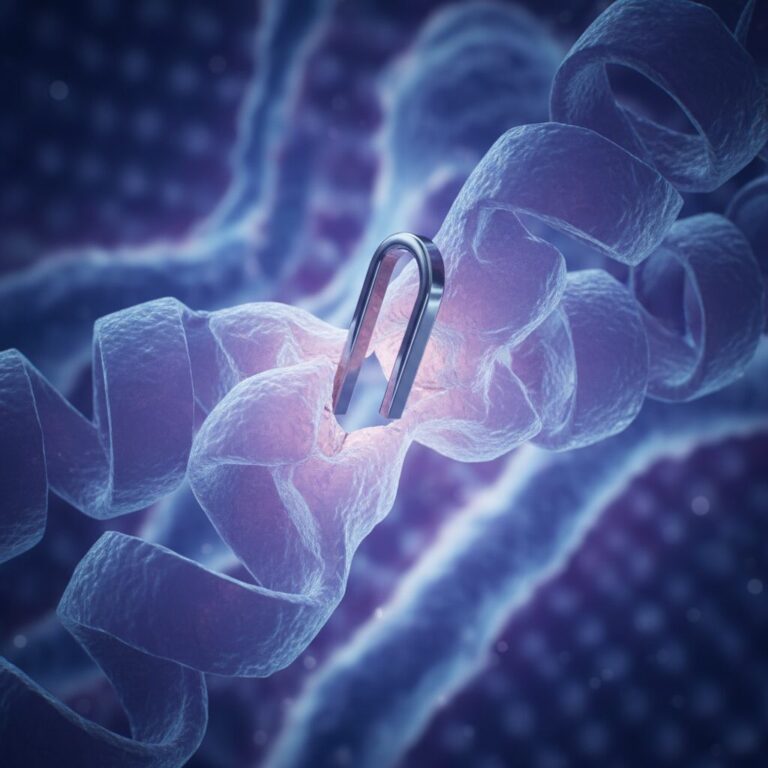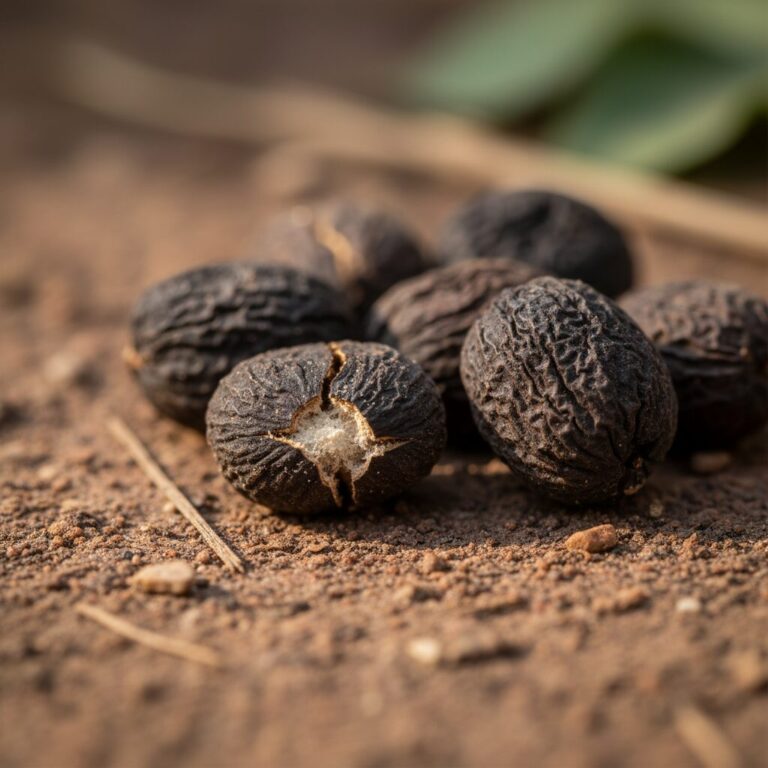

Soy Peptide Endurance research recently reached a new peak after Russian scientists published a groundbreaking study. This data suggests that specific soy protein fragments act as powerful signaling molecules within the body. Consequently, these tiny molecules help athletes push past traditional physical limits by optimizing internal energy production.
The Russian Academy of Sciences recently conducted a rigorous study on male Wistar rats to measure Soy Peptide Endurance levels. Researchers used a soy protein isolate hydrolysate to see how it influenced physical stamina during swimming tests. Furthermore, the results showed a staggering 511% increase in performance by the eleventh day of the experiment.

Modern Soy Peptide Endurance protocols suggest that these fragments function as biological conductors rather than simple fuel. Specifically, the peptides activate lipolysis by increasing concentrations of acetyl-L-carnitine and ketone bodies. Therefore, the body burns fat more efficiently to maintain high power output during intense exercise sessions.
Interestingly, the study proved that Soy Peptide Endurance does not depend solely on amino acid levels in the blood. Although whey protein provides more building blocks, the soy group outperformed every other mixture in the pool. This evidence confirms that bioactive peptides flick metabolic switches that ordinary protein shakes simply cannot reach.
Athletes who prioritize Soy Peptide Endurance often experience much faster recovery times and lower muscle damage markers. For instance, specific soy peptides reduce the leakage of creatine kinase after strenuous bouts of activity. Moreover, these compounds provide potent antioxidant protection to shield cells from the oxidative stress of heavy lifting.
Implementing Soy Peptide Endurance strategies allows researchers to explore functional foods that benefit both elite athletes and recreational lifters. Because these peptides improve dopamine precursors, they might also boost mental motivation and thermal thresholds. Consequently, you can maintain peak performance even when the environment becomes challenging or the workout intensifies.
To understand the full scope of these findings, you can review the official data from the Russian Academy of Sciences regarding metabolic signaling. Their work highlights why hydrolyzed soy protein provides a superior edge for sustained physical effort. Additionally, our Peptides Glossary offers more details on how these fragments interact with your cellular engine.
Knowledge is the ultimate gain. Stay dialed in to the science. For more such content visit Peptide.today 🏋️
References
All human research MUST be overseen by a medical professional.