SNAP-8 peptide is a small research peptide that helps scientists explore how brain cells communicate. If neurons are busy offices sending urgent messages, this tiny peptide acts like a simplified model that helps researchers understand how those messages get delivered.
Even though it is made of only eight amino acids, SNAP-8 peptide has become a useful tool in molecular biology and computational research. Scientists study it to better understand vesicle fusion, protein interactions, and the SNARE complex that powers cellular messaging.
Hey there, knowledge adventurers. Today we are diving into the playful yet fascinating world of SNAP-8 peptide. It may sound tiny and technical, but its role in research is surprisingly big.
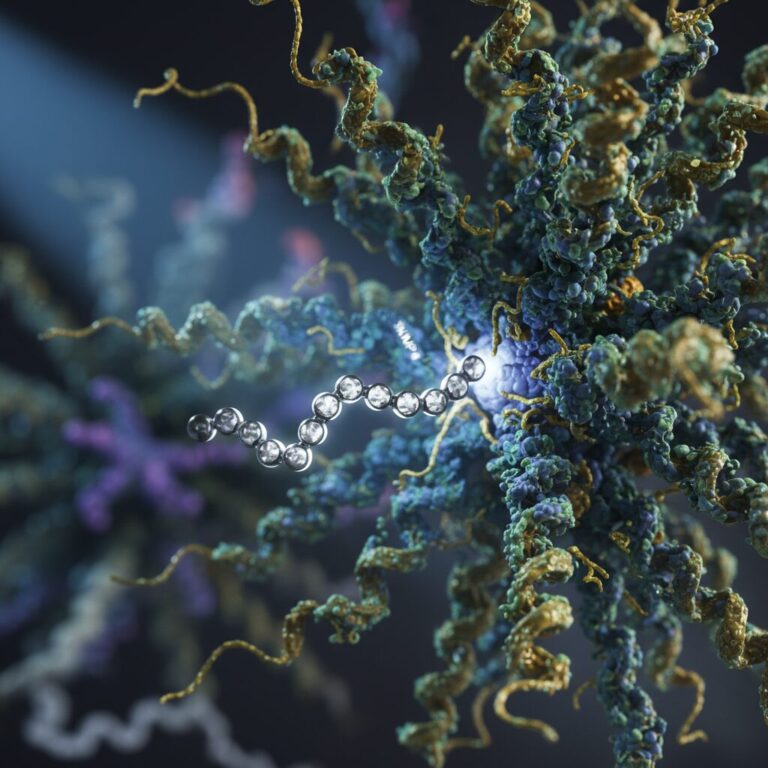
SNAP-8 peptide is a synthetic octapeptide derived from a small region of the SNAP-25 protein. SNAP-25 plays an important role in the SNARE complex, which helps nerve cells release neurotransmitters. Researchers created SNAP-8 peptide as a simplified fragment so they could study small sections of this larger protein without dealing with the full complexity of the entire structure.
You can think of SNAP-8 peptide as a model piece of a complex machine. When scientists want to understand how one gear works, they study the gear alone before examining the full engine. This approach makes it easier to isolate individual functions and understand how specific regions of SNAP-25 behave.
Scientists often explore research peptides like SNAP-8 peptide because small fragments can reveal key structural and functional insights. These simplified tools help researchers test theories about protein binding, signaling pathways, and molecular interactions.

The SNARE complex is responsible for one of the most important tasks in neuroscience. It allows synaptic vesicles to fuse with the cell membrane and release neurotransmitters. This process enables neurons to pass signals to each other quickly and precisely.
SNAP-8 peptide comes from the N terminal end of SNAP-25, which is one of the major proteins involved in this fusion process. Researchers use SNAP-8 peptide in laboratory models to explore how small regions of SNAP-25 contribute to vesicle fusion.
Because SNAP-8 peptide is much smaller than SNAP-25, it offers a simplified system for experimentation. Scientists can test how minor changes in amino acids affect binding and structure. This helps them learn how the larger SNARE complex operates.
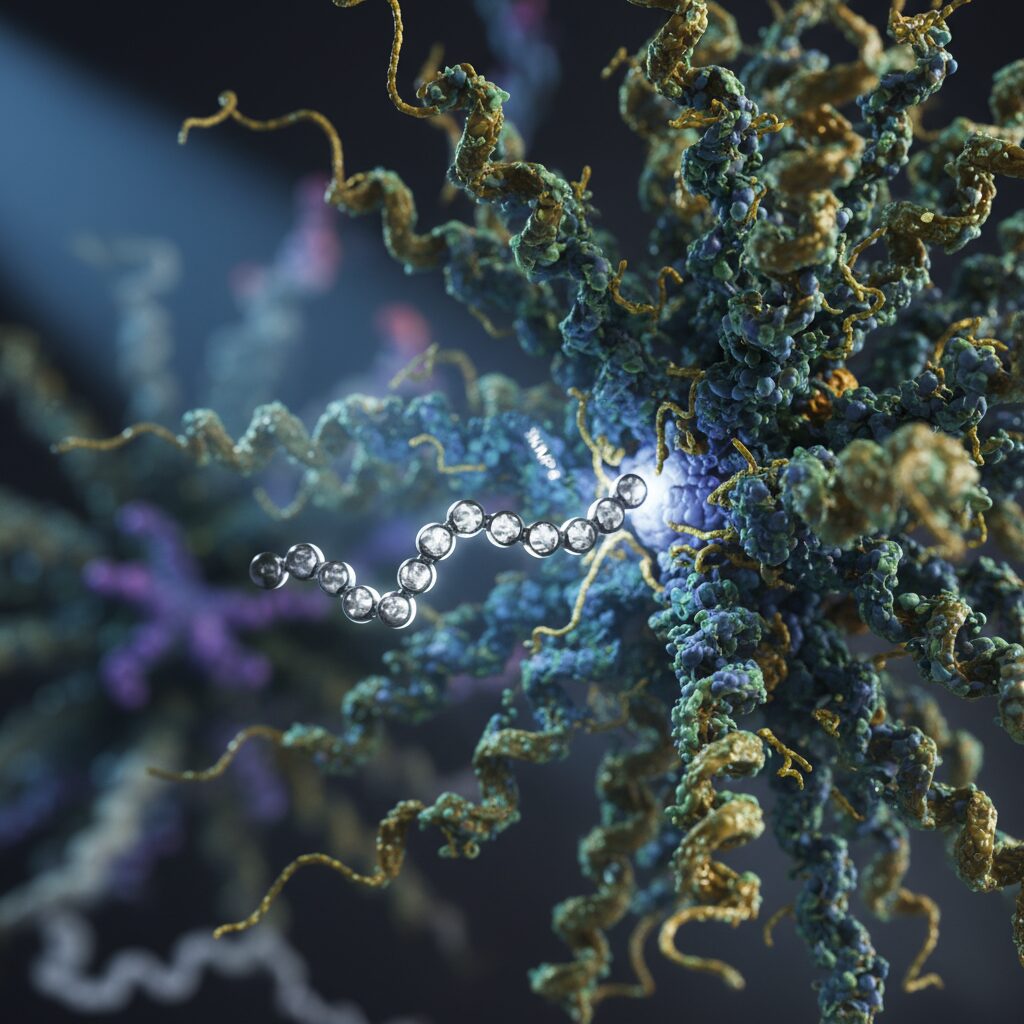
SNAP-8 peptide contains eight amino acids arranged in a specific sequence. It also includes two chemical modifications that improve stability in laboratory settings. An acetyl group is added at the N terminus, and an amide group is added at the C terminus. These modifications help the peptide remain stable and soluble during experiments.
This research peptide has amphipathic characteristics, meaning it has both water loving and water avoiding regions. This balance allows it to interact with other proteins in ways that resemble small parts of SNAP-25.
Protein protein interactions drive many processes inside cells. SNAP-8 peptide gives researchers a simple way to study how these interactions happen.
In laboratory models, small peptides can be used to explore competitive binding and partial interaction effects. SNAP-8 peptide helps scientists test how small fragments may interact with proteins such as syntaxin and synaptobrevin. These experiments help researchers map the key binding regions that control vesicle fusion.
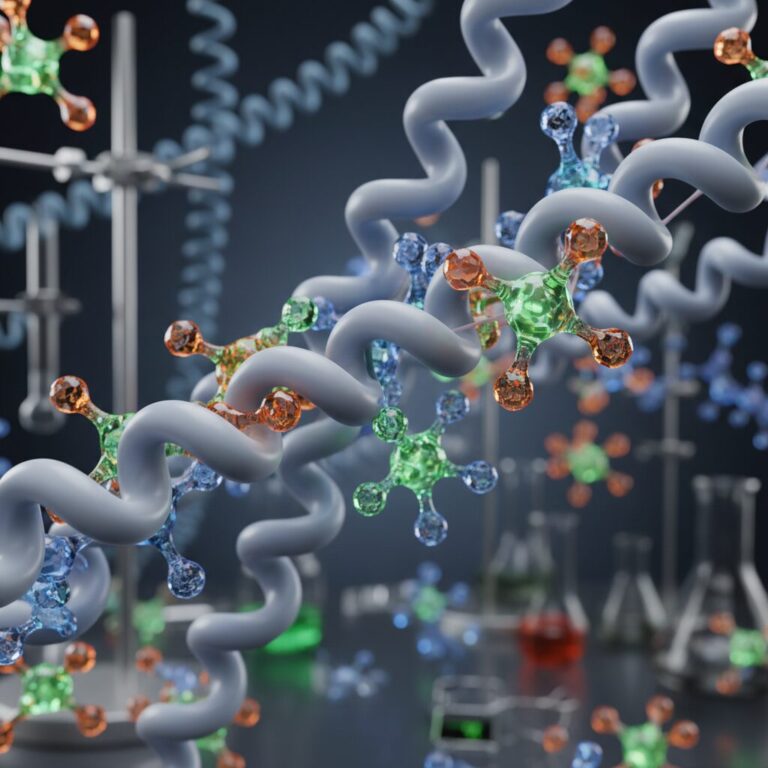
SNAP-8 peptide is also useful in computer simulations. Because it is small and structurally simple, researchers use it in molecular dynamics simulations. These simulations allow scientists to explore how the peptide moves, folds, and interacts with other molecules in virtual environments.
Computational biology helps researchers predict how structural changes affect stability and binding strength. Scientists can test different amino acid substitutions and observe the effects without running physical experiments first.
SNAP-8 peptide is widely used in laboratory research because it provides a simplified model for studying SNARE related processes. It helps researchers explore how vesicle fusion works and how proteins recognize each other.
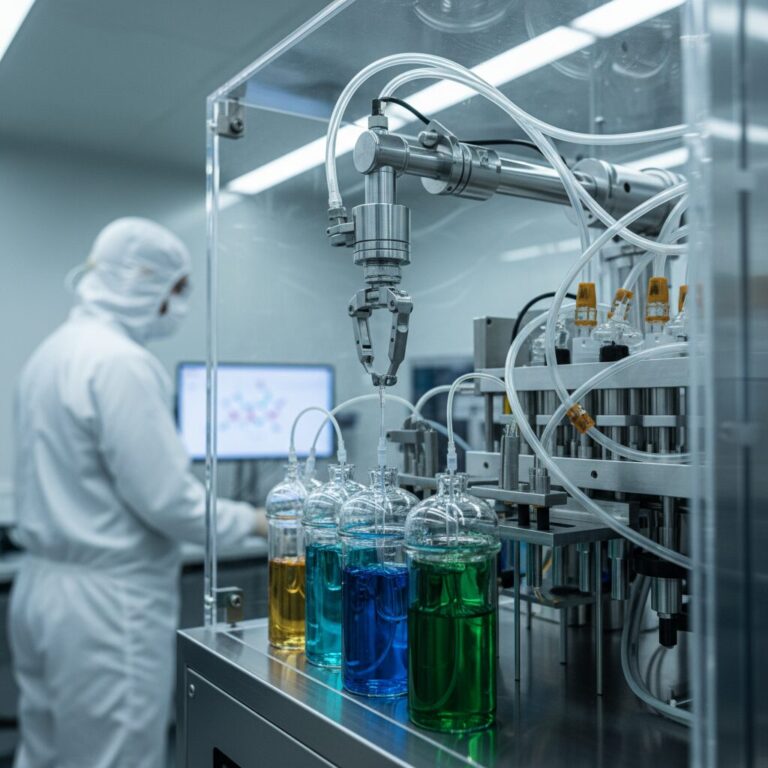
Importantly, SNAP-8 peptide is not an approved drug or therapeutic. It is a research tool used in laboratory studies. Scientists rely on strict experimental conditions when studying research peptides.
The internet contains many sources selling research peptides. However, quality and safety vary widely. Research grade peptides are designed for laboratory use only and are not intended for human consumption.
Clinical grade peptides must meet strict manufacturing standards and regulatory oversight. These standards include Good Manufacturing Practices, which ensure purity and consistency.
SNAP-8 peptide helps scientists study complex biological processes in a simplified way. It supports research into vesicle fusion, protein interactions, and molecular signaling. Even though it is small, it plays an important role in helping researchers explore how cells communicate.
Every new insight gained from SNAP-8 peptide research helps scientists better understand the complex systems that power the human brain. Small research tools often lead to big discoveries, and SNAP-8 peptide is a great example of this principle in action.
All human research MUST be overseen by a medical professional.