Have you ever noticed how your skin can suddenly change mood overnight? One day it feels calm and happy, and the next day it looks irritated, dry, or covered in breakouts. Many people assume the solution is stronger products and more exfoliation. However, modern skincare science now points in a gentler direction. The real secret may lie in understanding the relationship between skin microbiome and peptides.
Instead of fighting your skin, the goal today is to support it. When you understand the tiny ecosystem living on your face and how signal molecules like peptides communicate with your cells, your entire skincare routine becomes smarter and kinder.
Your skin is not a blank surface. It is home to millions of microorganisms including bacteria, fungi, and yeast. This living community is known as the skin microbiome. Research shows that this ecosystem plays a huge role in keeping your skin balanced, hydrated, and resilient.
When the microbiome is balanced, your skin barrier stays strong. It protects against pollution, irritation, and moisture loss. However, when the microbiome becomes disrupted, a condition known as dysbiosis occurs. This imbalance can trigger acne, eczema, rosacea, and sensitivity.
According to research published in the International Journal of Cosmetic Science, prebiotic ingredients can help support beneficial bacteria and maintain a healthy microbial balance. You can read more about this topic in this International Journal of Cosmetic Science study.
This is where the relationship between skin microbiome and peptides becomes exciting. Peptides act as communication messengers that help skin cells repair, rebuild, and strengthen the barrier that protects this delicate ecosystem.

Healthy skin sits at a slightly acidic pH between 4.7 and 5.75. This acidity helps beneficial bacteria thrive while discouraging harmful microbes. Harsh soaps and aggressive cleansers often raise the skin’s pH, which weakens the barrier and disrupts the microbiome.
If your skin feels tight after cleansing, it is often a sign that the barrier has been stripped. Healthy skin should feel comfortable and hydrated after washing.
Modern skincare routines often include retinoids, AHAs, BHAs, and strong peels. While these ingredients have benefits, using too many at once can damage the microbiome.
Signs of microbiome imbalance include
These symptoms often improve when people simplify their routine and focus on repairing the barrier.
To support the relationship between skin microbiome and peptides, it helps to understand three key ingredient categories.
Prebiotics act as food for beneficial microbes. Ingredients like inulin and fructooligosaccharides help good bacteria thrive and maintain balance.
Live bacteria are difficult to stabilize in skincare. Many products labeled probiotic actually use fermented extracts instead.
Postbiotics are the beneficial byproducts created when bacteria break down nutrients. These include enzymes, fatty acids, and peptide fragments. They calm inflammation and strengthen the skin barrier without using live microbes.
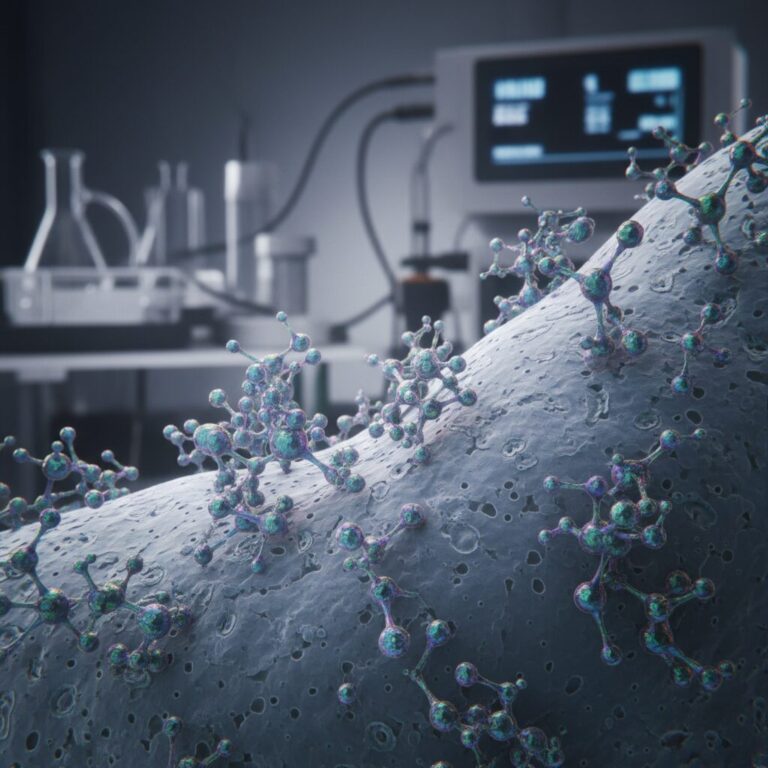
Peptides are short chains of amino acids that act as signal messengers. They communicate with skin cells and encourage them to repair damage and produce important proteins.
This makes peptides one of the most exciting parts of the skin microbiome and peptides relationship.
Signal peptides tell skin cells to create collagen and elastin. These proteins keep skin firm and elastic.
Palmitoyl Tripeptide 1 is a well researched peptide found in Matrixyl 3000. Studies show it can support collagen production and improve the appearance of wrinkles.
Carrier peptides help deliver trace minerals like copper. These minerals support wound healing and antioxidant protection.
Some peptides help slow enzymes that break down collagen. This helps preserve skin structure over time.
Together, these functions show how skin microbiome and peptides work as a team to maintain healthy skin.
The skincare world is moving away from aggressive treatments and toward barrier repair. This shift reflects a deeper understanding of how skin biology works.
When the microbiome stays balanced and peptides support cellular repair, the skin becomes naturally resilient.
This approach focuses on long term skin health rather than quick fixes.
You do not need to replace your entire routine. Instead, make small changes that support your skin ecosystem.
Look for low pH cleansers that do not leave your skin feeling tight.
Use moisturizers with ceramides, hyaluronic acid, and peptides. These ingredients strengthen the protective barrier.
Look for fermented extracts and peptide rich serums.
If a product causes irritation, stop using it. Healthy skin routines should feel comfortable and sustainable.
Not all peptides are created equal. Cosmetic grade peptides undergo safety testing and stability checks. Research grade peptides sold online often lack quality control and are not intended for skincare use.
Always buy products from reputable skincare brands.
The conversation around skincare is changing. Instead of stripping and fighting the skin, we are learning to support and communicate with it.
The partnership between skin microbiome and peptides represents a smarter approach to beauty. This science based strategy focuses on balance, resilience, and long term skin health.
Healthy glowing skin does not come from harsh treatments. It comes from working with your skin’s natural biology.
Your skin is a living ecosystem. When you nurture it gently, it rewards you with calm, balanced, and radiant results.
All human research MUST be overseen by a medical professional.