
The Regulatory Reclassification of Peptides has reshaped the scientific, medical, and commercial landscape of peptide development in the United States and globally. Over the past several years, changes led by the U.S. Food and Drug Administration under the Biologics Price Competition and Innovation Act have shifted how many therapeutic peptides are classified, manufactured, and distributed.
As a result, access pathways have narrowed, compliance burdens have increased, and a growing research-only grey market has emerged.
Understanding the Regulatory Reclassification of Peptides is now essential for researchers, startups, compliance professionals, and healthcare providers. While peptide therapeutics continue to drive innovation in diabetes, oncology, endocrinology, and rare diseases, the regulatory framework governing these compounds has fundamentally changed.
This article explores what the Regulatory Reclassification of Peptides means, why it occurred, how it affects compounding pharmacies, and how it has fueled the expansion of the research peptide market.
The Regulatory Reclassification of Peptides marked the shift of certain peptide products from being regulated as drugs under the Federal Food, Drug, and Cosmetic Act to being regulated as biologics under the Public Health Service Act.
This change took effect on March 23, 2020 under the Biologics Price Competition and Innovation Act, automatically transitioning qualifying peptides into the biologics licensing framework. As a result, many peptides moved from traditional drug approval pathways to biologics regulation, significantly impacting manufacturing and compliance standards.
Biologics now require Biologics License Applications instead of New Drug Applications, adherence to biologics-specific current Good Manufacturing Practice standards, advanced analytical characterization, strict potency and purity validation, and ongoing pharmacovigilance oversight.

Because peptides occupy a middle ground between small molecule drugs and large protein biologics, their classification has long been debated. However, the Regulatory Reclassification of Peptides resolved much of that ambiguity by formally placing many therapeutic peptides under biologics oversight.
The Regulatory Reclassification of Peptides is significant because a product’s regulatory category determines how it can be manufactured, marketed, and compounded. Before the transition, some peptides could be compounded under Sections 503A or 503B of the Federal Food, Drug, and Cosmetic Act if specific criteria were met. Once classified as biologics, however, compounding became far more restricted unless tied to an FDA approved biologic.
As a result, several peptides previously available through compounding pharmacies became inaccessible through traditional channels. The shift aimed to strengthen public health protections, recognizing that biologics are complex molecules requiring strict manufacturing controls. Even minor variations in production or storage can affect safety and efficacy. While the change elevated quality standards, it also introduced downstream access challenges.
One of the most immediate consequences of the Regulatory Reclassification of Peptides was the restriction on compounding activities.
Compounding pharmacies traditionally prepare customized medications when commercially available products do not meet a patient’s needs. However, they cannot legally compound products that are essentially copies of FDA approved drugs, nor can they compound substances that are not components of approved products.
Many peptides widely discussed in wellness and performance communities are not FDA approved drugs. Therefore, once peptides were clearly positioned within biologics oversight, compounding of non approved peptide substances became legally problematic.
This restriction has affected compounds frequently referenced in online forums such as:
• BPC 157
• CJC 1295
• Ipamorelin
• Various growth hormone secretagogues
These compounds are not approved therapeutic biologics in the United States. Therefore, pharmacies cannot legally compound them for routine human use.
The Regulatory Reclassification of Peptides clarified that manufacturing biologic substances requires a biologics license. Compounding facilities generally do not hold such licenses.
While the Regulatory Reclassification of Peptides limited compounding, it did not slow legitimate peptide innovation.
Approved peptide biologics such as GLP 1 receptor agonists demonstrate the success of the regulated pathway. These drugs have undergone extensive clinical trials demonstrating safety and efficacy in managing type 2 diabetes and obesity. Peer reviewed studies published in journals such as The New England Journal of Medicine and Cell Metabolism show significant improvements in glycemic control and weight reduction.
These approved products undergo:
• Identity confirmation through mass spectrometry
• Impurity profiling
• Stability testing under defined storage conditions
• Batch to batch consistency validation
• Clinical outcome trials
This level of scrutiny protects patients. However, the Regulatory Reclassification of Peptides has widened the gap between approved therapies and non approved experimental peptides.
Demand did not disappear after the Regulatory Reclassification of Peptides. Instead, it shifted online.
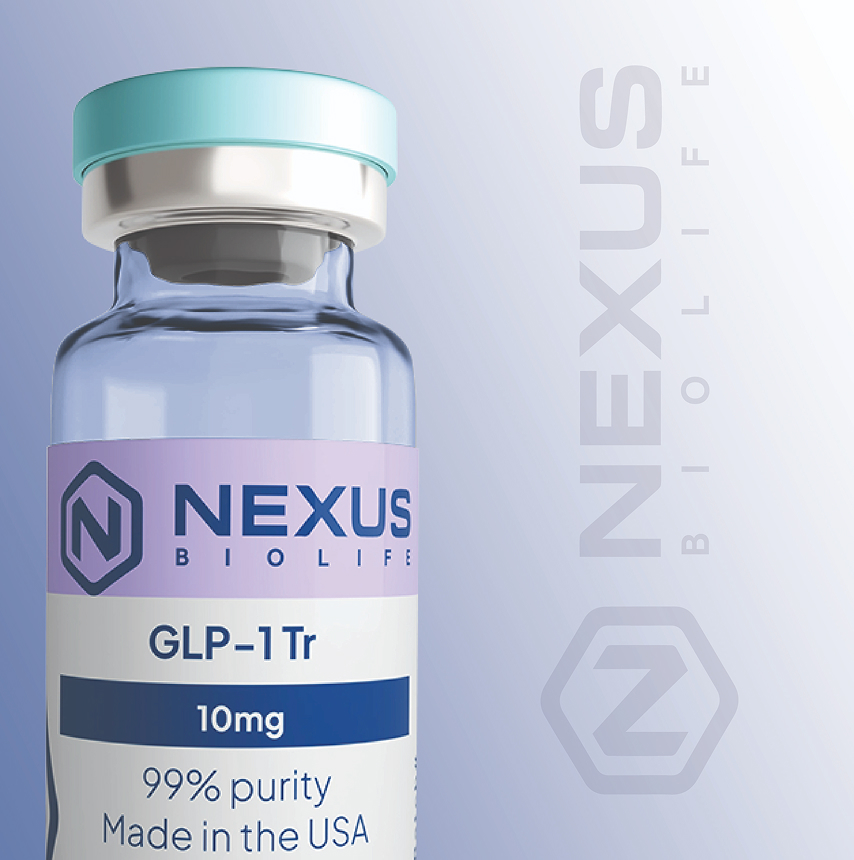
A large number of websites now sell peptides labeled for research purposes only. These products are typically marketed as laboratory reagents. However, many purchasers may intend human administration despite the disclaimers.
This grey market presents several concerns.
First, purity cannot be guaranteed. Independent testing has occasionally found discrepancies between labeled concentration and actual content.
Second, sterility standards are unclear. Injectable products require validated sterile manufacturing processes. Research suppliers are not required to follow pharmaceutical sterile production standards.
Third, clinical evidence is often limited to animal models or preliminary studies. Anecdotal reports do not substitute for controlled human trials.
The Regulatory Reclassification of Peptides did not create this demand, but it likely accelerated the shift of supply into unregulated channels.
The Regulatory Reclassification of Peptides reinforces the importance of compliance. When peptides are sold outside regulated pathways, several risks increase.
Potential issues include:
• Contaminants or synthesis byproducts
• Incorrect peptide sequence
• Degradation due to improper storage
• Lack of pharmacovigilance reporting
• Unknown drug interactions
Furthermore, many peptides marketed online are prohibited in competitive sports under World Anti Doping Agency regulations. Growth hormone secretagogues and certain experimental peptides are included on the prohibited list due to performance enhancing potential and insufficient safety data.
Therefore, the Regulatory Reclassification of Peptides has implications not only for pharmaceutical manufacturing but also for athletics, research ethics, and professional liability.
Despite restrictions, the peptide therapeutics market continues to grow. Industry analyses project that global peptide therapeutics revenue may exceed 60 to 70 billion dollars by 2030.
Several factors drive this expansion.
First, peptides offer high target specificity. They can bind selectively to receptors and signaling molecules.
Second, advances in peptide engineering improve stability. Techniques such as cyclization and backbone modification extend half life.
Third, delivery innovation is expanding. Researchers are exploring oral peptide formulations and long acting injectable systems.
The Regulatory Reclassification of Peptides has not halted innovation. Instead, it has reinforced the requirement that innovation occur within compliant regulatory frameworks.
However, development costs are substantial. Clinical trials require years of research and significant capital investment. Manufacturing facilities must meet biologics standards. These financial barriers partly explain why some demand migrates toward unregulated alternatives.
Under the Regulatory Reclassification of Peptides, manufacturers must adhere to strict analytical standards consistent with International Council for Harmonisation guidelines such as ICH Q6B.
These standards require detailed characterization of:
• Amino acid sequence integrity
• Oxidation products
• Truncated variants
• Aggregates
• Potency assays
Additionally, long term stability studies must be conducted under defined environmental conditions. Temperature and humidity controls are essential to maintain peptide structure.
These quality controls are not optional. They form the foundation of biologics licensing.
The Regulatory Reclassification of Peptides raises important ethical concerns. Healthcare providers may see patients already using research peptides purchased online, yet recommending or administering non approved biologics carries legal risk. Providers must balance patient education with regulatory compliance.
At the same time, limited access or high costs may push patients to seek alternatives. Some experts have suggested creating a clearer regulatory subclass for therapeutic peptides with standardized purity verification and supervised clinical use. However, no such pathway currently exists under United States federal law, so the Regulatory Reclassification of Peptides remains the controlling framework.
For companies in the peptide sector, compliance must be a core strategic priority. This includes early regulatory consultation, clear product classification, investment in compliant manufacturing partners, protection of intellectual property within biologics frameworks, and transparent clinical development planning.
Attempting to sidestep biologics requirements by marketing products as research chemicals while implying human use carries significant legal and reputational risk. Sustainable growth comes from regulatory clarity, scientific validation, and proven safety standards.
The Regulatory Reclassification of Peptides represents a structural shift in how peptide therapeutics are governed. By placing many peptides under biologics oversight, regulators strengthened safety standards and manufacturing requirements. However, this shift also narrowed traditional compounding pathways and contributed to the expansion of a research only grey market.
For stakeholders in science, healthcare, and biotechnology, the message is clear. Regulatory compliance is not optional. The path forward requires rigorous clinical evidence, validated manufacturing processes, and adherence to biologics licensing standards.
Peptides remain one of the most promising frontiers in medicine. Their therapeutic potential is substantial. Yet sustainable progress depends on respecting the regulatory systems designed to protect patients.
Understanding the Regulatory Reclassification of Peptides is therefore not simply an academic exercise. It is a strategic necessity for anyone operating in this rapidly evolving field.
All human research MUST be overseen by a medical professional.