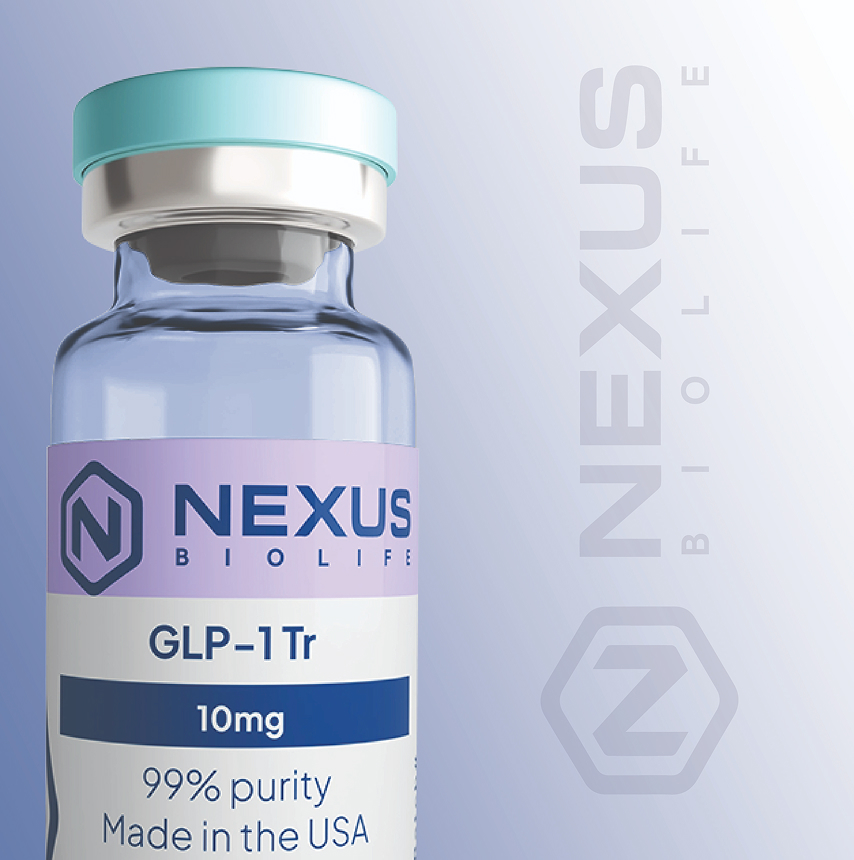

The landscape for peptide manufacturers, particularly those supplying products labeled “For Research Use Only” (RUO), is undergoing a significant transformation. Regulatory bodies are intensifying their scrutiny, shifting their enforcement focus beyond just the sellers of RUO peptides and directly toward the manufacturers and their intricate supply chains.
This pivotal change elevates the compliance burden for the entire industry, from the initial production of Active Pharmaceutical Ingredients (APIs) to the final testing of peptide products.
To fully understand the strategic implications, a closer analysis of the regulatory framework is required.
Historically, the “Research Use Only” label often provided a perceived shield for peptide manufacturers, suggesting a reduced need for stringent compliance with Good Manufacturing Practices (cGMP) and other regulatory requirements typically imposed on drug products intended for human use. This perception, however, is now being dismantled by regulatory authorities.
The Food and Drug Administration (FDA) in the United States, for instance, has demonstrated a clear intent to broaden its oversight, recognizing that even products designated for research can pose risks if their manufacturing processes are not adequately controlled ¹.
This move reflects a deeper concern that products, regardless of their label, can ultimately find their way into human use or impact the integrity of scientific research if not produced under controlled conditions.
Consider the analogy of a specialized tool: if a manufacturer produces a wrench poorly, the tool might break during use whether a professional mechanic or a hobbyist uses it. In the same way, when producers fail to apply proper controls to RUO peptides, they risk lowering quality, purity, and safety. These lapses can distort research results or, in more serious situations, create health risks when someone misuses the product.
The FDA’s stance emphasizes that the manufacturing process itself must meet certain standards to ensure the reliability and safety of the product, irrespective of its intended use or the disclaimer attached to it.
The term “Research Use Only” generally indicates that a product is not intended for diagnostic or therapeutic use in humans or animals. It implies that the product is solely for in vitro (test tube) or in vivo (in living organisms) laboratory experiments.
However, the legal definition and regulatory interpretation of RUO products are complex. There isn’t a universally accepted, singular definition across all regulatory agencies, which has historically created a gray area for manufacturers.
This ambiguity is precisely what regulators are now seeking to clarify through enforcement actions. They are less concerned with the label and more concerned with the actual risk associated with the product and its manufacturing process ².
The core issue here is public health and research integrity. When peptides are manufactured without cGMP, there’s a higher likelihood of contamination, impurities, or inconsistent potency. This not only jeopardizes the safety of individuals who might misuse these products but also undermines the credibility and reproducibility of scientific research.
Imagine a scientist conducting a critical experiment using an RUO peptide that is unknowingly contaminated. The results would be skewed, leading to false conclusions and wasted resources. This is why regulators are stepping in to ensure a baseline level of quality control, even for products not immediately destined for prescription use.

The intensified scrutiny hinges on three fundamental pillars: Good Manufacturing Practices (cGMP), proper documentation, and sterility protocols.
cGMP regulations are a set of guidelines ensuring that products are consistently produced and controlled according to quality standards. For traditional pharmaceutical manufacturing, cGMP is non-negotiable. For RUO peptides, the application of cGMP has been less clear-cut. However, regulators are now pushing for manufacturers to implement cGMP principles even for RUO products.
This means having robust quality management systems, clear standard operating procedures (SOPs), adequate facilities, qualified personnel, and validated equipment. This shift doesn’t necessarily mean full pharmaceutical-grade cGMP for every RUO peptide, but it certainly implies a significant uplift in manufacturing standards from what might have been considered acceptable in the past ³.
The key is demonstrating a controlled and traceable manufacturing environment.
Documentation is the backbone of any compliant manufacturing operation. It provides a transparent record of every step in the production process, from raw material sourcing to final product release. Regulators are now demanding meticulous documentation for RUO Peptide Manufacturers.
This includes records of batch production, quality control testing, deviations, investigations, and distribution. Without comprehensive documentation, regulators cannot verify correct manufacturing, so thorough records become a critical part of compliance. This helps establish a clear chain of custody and accountability, ensuring that if a problem arises, its source can be traced and rectified.
For many peptide applications, especially those used in cell culture or in vivo research, sterility is paramount. Contaminated peptides can introduce confounding variables into experiments or pose direct health risks. Regulatory bodies are now scrutinizing sterility protocols even for RUO products, particularly where there’s a potential for the product to be introduced into living systems.
This includes environmental monitoring, personnel hygiene, and validated sterilization methods. Manufacturers must demonstrate that they have robust systems in place to prevent microbial contamination throughout the manufacturing process. This isn’t just about preventing infection; it’s about ensuring the integrity of the research itself.
This broadened scrutiny has profound strategic implications for all stakeholders in the peptide industry:
In essence, the regulatory environment for RUO peptides is maturing. The days of simply slapping an “RUO” label on a product and assuming immunity from rigorous oversight are drawing to a close.
Regulators are signaling a clear expectation that all peptide manufacturers, regardless of their stated product use, must uphold a fundamental level of quality and control in their operations. This ensures public safety, safeguards research integrity, and promotes a more responsible industry overall.
The increased regulatory scrutiny on “Research Use Only” peptide manufacturing marks a critical juncture for the industry. This shift emphasizes that the mere “RUO” label is no longer a sufficient defense against liability. Manufacturers must now prioritize robust cGMP implementation, meticulous documentation, and stringent sterility protocols across their entire supply chain.
While this presents immediate challenges, it ultimately fosters a more trustworthy and scientifically sound environment for peptide research and development. Adopting a proactive and comprehensive approach to compliance is not just a regulatory obligation; it is a strategic imperative for long-term success and integrity in the peptide market.
Regulatory and Medical Disclaimer: This article does not constitute medical advice. Information regarding peptides is for research and educational purposes only. Peptides are often sold as research chemicals and are not regulated as dietary supplements or medications for human use unless explicitly prescribed by a medical doctor. All research or potential human application of peptides requires strict oversight by a licensed medical professional.
Compliance is strategy. Stay informed. ⚖️