The PharmaPatch system is changing the therapeutic peptide market. This market is valued at 65.1 billion dollars in 2024. Experts expect it to reach 160.3 billion by 2030. Therefore, new delivery methods are essential for growth.
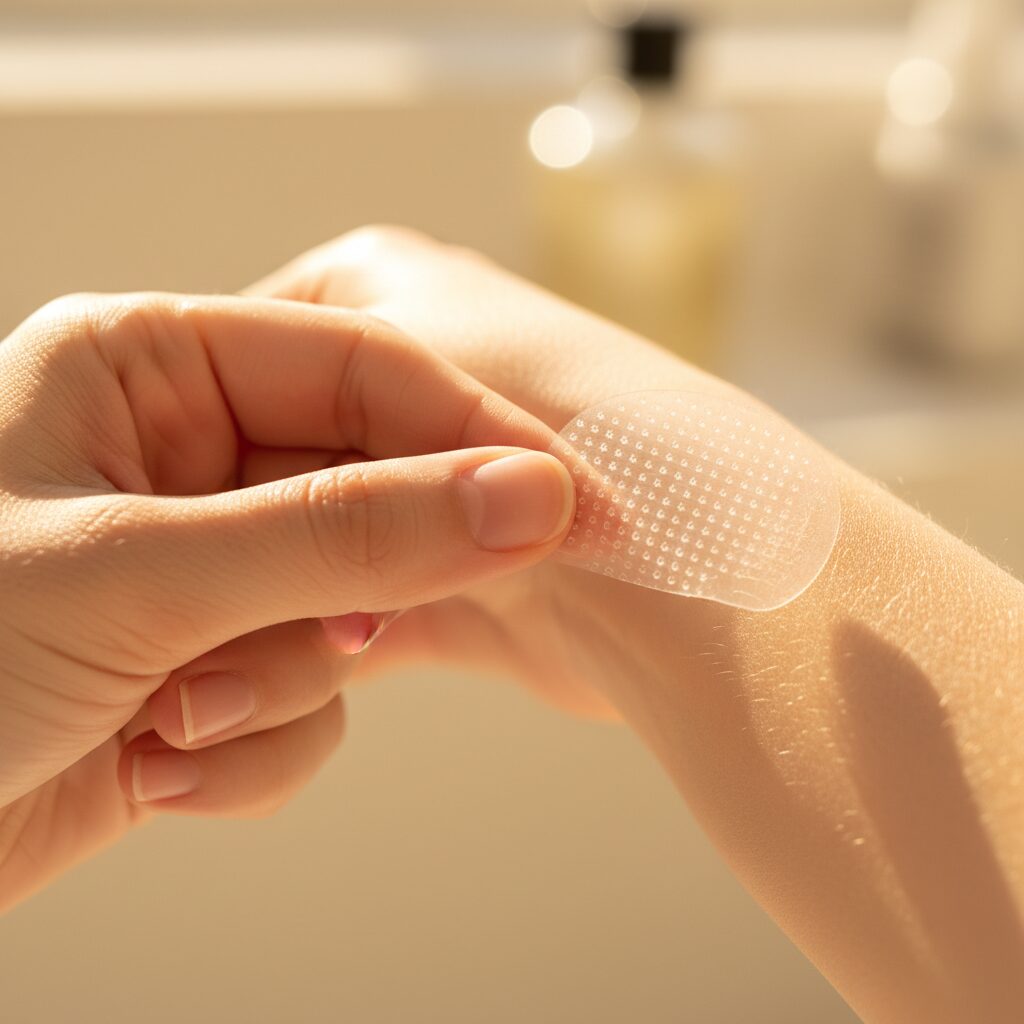
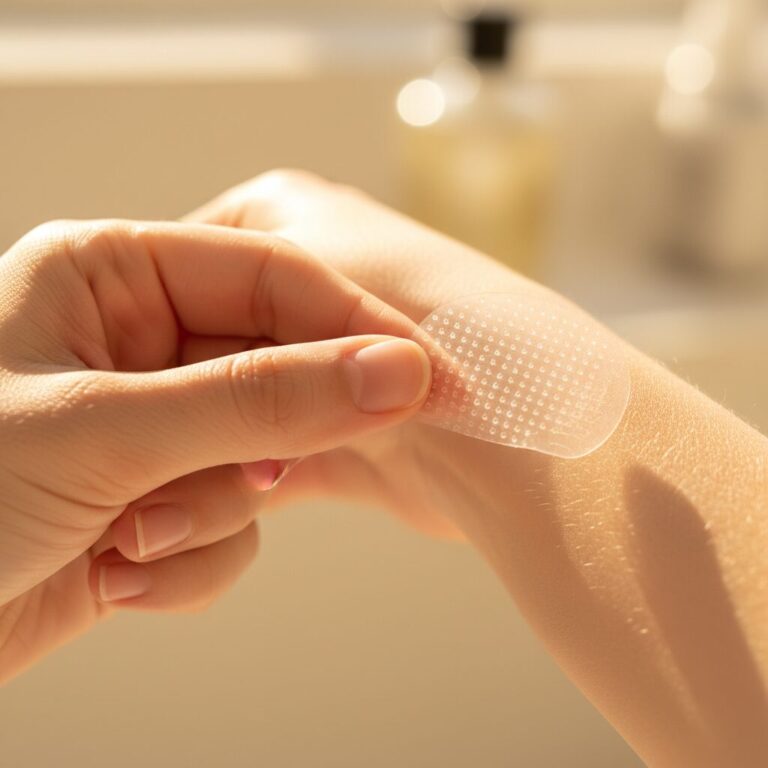
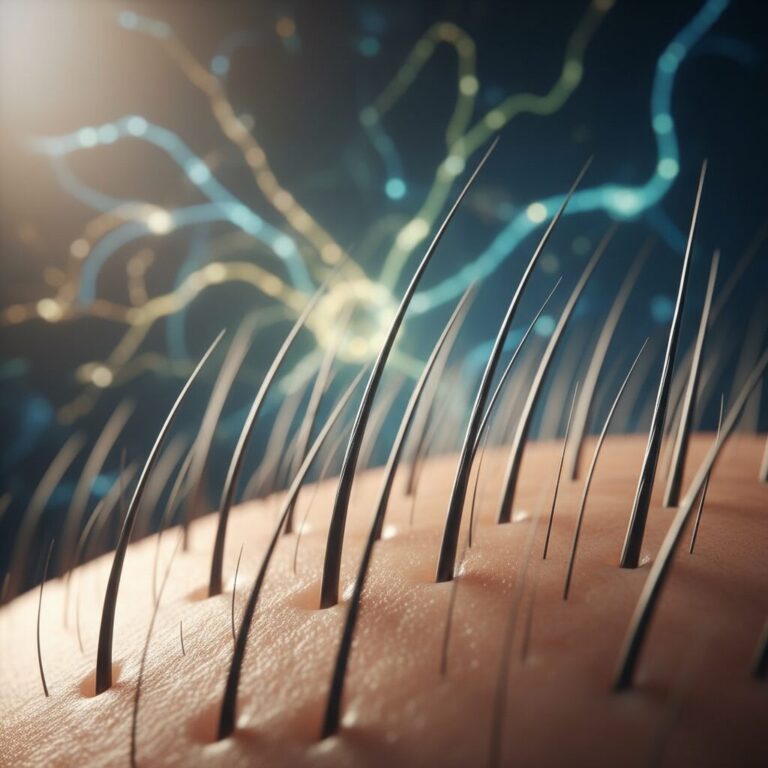
PharmaTher Holdings Ltd. created the PharmaPatch to deliver complex molecules. It uses a biodegradable material called gelatin methacryloyl. This material creates microchannels in the outer skin layer. As a result, drugs bypass the digestive system entirely.
How the PharmaPatch Technology Works
The PharmaPatch avoids the first-pass metabolism in the liver. This is a major benefit for sensitive peptides. Many oral therapies fail because stomach enzymes destroy them. However, this patch maintains steady release profiles over time.
Preclinical studies show that the PharmaPatch can deliver drugs for 40 hours. This was proven in trials using ketamine on minipig models. Similar tests for psilocybin and LSD showed great success. Consequently, the platform is very versatile for various structures.
Benefits of Using the PharmaPatch System
A PharmaPatch makes treatment much easier for patients. Most peptides currently require frequent and painful injections. This needle-free solution improves quality of life significantly. Therefore, patients are more likely to follow their treatment plans.
Moving care from a clinic to the home is a game-changer. It reduces the burden on the healthcare system. Furthermore, the customized release profile ensures optimal drug levels. This creates a safer and more effective healing environment.
Policy Changes and PharmaPatch Research
The regulatory landscape for peptides is shifting in 2026. HHS Secretary Robert F. Kennedy Jr. recently discussed these changes. He wants to increase access to approximately 14 specific peptides. This could impact how the PharmaPatch is utilized in the future.
However, these are still policy discussions and not formal laws. The FDA maintains a cautious stance on many research peptides. Any major change requires adherence to strict legal pathways. For now, the PharmaPatch remains a vital tool for clinical discovery.
Clinical Snapshot of PharmaPatch Candidates
PharmaTher is evaluating BPC-157 for the PharmaPatch platform. This peptide is known for its regenerative and healing properties. It promotes angiogenesis through the activation of specific receptors. Thus, it is a top candidate for transdermal delivery.
GHK-Cu is another tripeptide compatible with the PharmaPatch. It effectively resets cellular profiles to a younger state. Studies show it can increase collagen production by 70 percent. This makes it ideal for dermatological and wound healing research.
Future Goals for PharmaPatch Delivery
The PharmaPatch represents a bold step toward patient-centric care. It offers better adherence and tailored pharmacokinetic profiles. However, the path to the market requires meticulous clinical trials. Regulatory bodies will demand robust evidence on long-term safety.
We expect more data to emerge throughout 2026. The PharmaPatch will likely lead the way in needle-free innovation. Scientists can view the FDA compounding guidelines for more regulatory context. Stay updated as these promising compounds reach the next phase.
Stay ahead of the clinical curve—the next great peptide is already in Phase 2. 💊
References
PharmaTher Holdings Ltd. (2026, March 3). PharmaTher Expands PharmaPatch Delivery Platform into Therapeutic Peptides for the U.S. Market. Newsfile Corp.
PharmaTher Holdings Ltd. (2022, September 7). PharmaTher Announces Completion of IND-Enabling Pharmacokinetic and Tolerability Study with Ketamine Patch. pharmather.com.
LumaLex Law. (2026, March 2). RFK Jr., Peptides, and the FDA: Why Social Media Is Overhyping the Legal Reality. lumalexlaw.com.
World Anti-Doping Agency. (2022, January 1). WADA’s 2022 Prohibited List now in force. wada-ama.org.
Vasireddi, N., Hahamyan, H., Salata, M. J., Karns, M., Calcei, J. G., Voos, J. E., & Apostolakos, J. M. (2025). Emerging Use of BPC-157 in Orthopaedic Sports Medicine: A Systematic Review. HSS Journal®, 21(2), 162–171. https://doi.org/10.1177/15563316251355551
Gwyer, D., Wragg, N. M., & Wilson, S. L. (2019). Gastric pentadecapeptide body protection compound BPC 157 and its role in accelerating musculoskeletal soft tissue healing. Cell and Tissue Research, 377(2), 153–159. https://doi.org/10.1007/s00441-019-03016-8
Lee, E., & Padgett, B. (2021). Intra-Articular Injection of BPC 157 for Multiple Types of Knee Pain. Alternative Therapies in Health and Medicine, 27(4), 8–13.
Lee, E., Walker, C., & Ayadi, B. (2024). Effect of BPC-157 on Symptoms in Patients with Interstitial Cystitis: A Pilot Study. Alternative Therapies in Health and Medicine, 30(10), 12–17.
PCO-02 – Safety and Pharmacokinetics Trial. (2015). ClinicalTrials.gov. NCT02637284. https://clinicaltrials.gov/study/NCT02637284
He, L., Feng, D., Guo, H., Zhou, Y., Li, Z., Zhang, K., Zhang, W., Wang, S., Wang, Z., Hao, Q., & Huang, T. (2022). Pharmacokinetics, distribution, metabolism, and excretion of body-protective compound 157, a potential drug for treating various wounds, in rats and dogs. Frontiers in Pharmacology, 13, 1026182. https://doi.org/10.3389/fphar.2022.1026182
Prisk Orthopaedics and Wellness. (2025, August 8). BPC-157: Miracle Healing Peptide or Hidden Danger?. orthoandwellness.com.
Pickart, L., & Margolina, A. (2018). Regenerative and Protective Actions of the GHK-Cu Peptide in the Light of the New Gene Data. International Journal of Molecular Sciences, 19(7), 1987. https://doi.org/10.3390/ijms19071987
Yuvan Research Inc. (2023, May 24). Epigenetic mechanisms activated by GHK-Cu increase skin collagen density in clinical trial. EurekAlert! eurekalert.org.
Badenhorst, T., Svirskis, D., Merrilees, M., Bolke, L., & Wu, Z. (2016). Effects of GHK-Cu on MMP and TIMP Expression, Collagen and Elastin Production, and Facial Wrinkle Parameters. Journal of Aging Science, 4(1). https://doi.org/10.4172/2329-8847.1000166
Mao, S., Huang, J., Li, J., Sun, F., Zhang, Q., Cheng, Q., Zeng, W., Lei, D., Wang, S., & Yao, J. (2025). Exploring the beneficial effects of GHK-Cu on an experimental model of colitis and the underlying mechanisms. Frontiers in Pharmacology, 16, 1551843. https://doi.org/10.3389/fphar.2025.1551843
Peng, J. (2026, March 1). TB-500 for Injury Recovery: What the Research Actually Shows. jeffreypengmd.com.
Wang, X., Liu, L., Qi, L., Ma, P., Wang, H., Hu, B., Dong, M., Yang, Z., Xu, H., & Ma, H. (2021). A first-in-human, randomized, double-blind, single- and multiple-dose, phase I study of recombinant human thymosin β4 in healthy Chinese volunteers. Journal of Cellular and Molecular Medicine, 25(17), 8222–8228. https://doi.org/10.1111/jcmm.16693
Sosne, G., Dunn, S. P., & Kim, C. (2015). Thymosin β4 Significantly Improves Signs and Symptoms of Severe Dry Eye in a Phase 2 Randomized Trial. Cornea, 34(5), 491–496. https://doi.org/10.1097/ico.0000000000000379
Zhu, J., Song, J., Yu, L., Zheng, H., Zhou, B., Weng, S., & Fu, G. (2016). Safety and efficacy of autologous thymosin β4 pre-treated endothelial progenitor cell transplantation in patients with acute ST segment elevation myocardial infarction: A pilot study. Cytotherapy, 18(8), 1037–1042. https://doi.org/10.1016/j.jcyt.2016.05.006
Innerbody Research. (2026, January 2). What to Know About TB4 and TB-500 Peptide Therapy. innerbody.com.
Peptide Biologix. (2024). KPV: Comprehensive Research Monograph and Technical Review. peptidebiologix.com.
Swolverine Inc. (2026, January 27). KPV Peptide: Anti-Inflammatory Benefits, Mechanism, and Research Guide. swolverine.com.
Dalmasso, G., Nguyen, H. T. T., Dalmasso, N., Yan, Y., Sitaraman, S. V., & Merlin, D. (2008). PepT1-mediated tripeptide KPV uptake reduces intestinal inflammation. Gastroenterology, 134(1), 166–178. https://doi.org/10.1053/j.gastro.2007.10.021
Bhatnagar, S., Kumar, R., & Kim, Y. (2017). Transdermal Iontophoretic Delivery of Lysine-Proline-Valine (KPV) Peptide Across Microporated Human Skin. AAPS PharmSciTech, 18(7), 2834–2842. https://doi.org/10.1208/s12249-017-0744-8
Peptide Shop. (2026, January 27). KPV Peptide Anti-Inflammatory Effects and Current Research. peptide.shop.
Werner, B. (2025, May 28). KPV Peptides and the Vestibular System: A Novel Approach to Chronic Dizziness?. brianwerner.substack.com.
All human research MUST be overseen by a medical professional