PeptiSystems recently received a growth equity investment from Rubicon Healthcare Partners. This investment makes Rubicon the largest shareholder and marks a major shift in peptide and oligonucleotide manufacturing.
It also addresses a critical bottleneck in drug development; specifically, the limited ability to produce complex molecules at scale. Consequently, improved manufacturing capacity is essential for advancing peptide programs.
As demand for advanced peptide therapeutics grows, reliable manufacturing becomes more important. As a result, better production methods speed up clinical timelines, reduce overall costs, and improve access to next-generation therapies.
Peptide therapeutics hold strong clinical promise, but their production is difficult. These molecules have complex structures, high purity requirements, and sensitive synthesis conditions.
Traditional solid-phase peptide synthesis (SPPS) often struggles with:
These issues raise costs and delay clinical trial material (CTM) availability. The global peptide therapeutics market is projected to exceed $50 billion by 2030 (Transparency Market Research).
Because of these challenges, improved manufacturing technologies are essential for supporting the growing market.

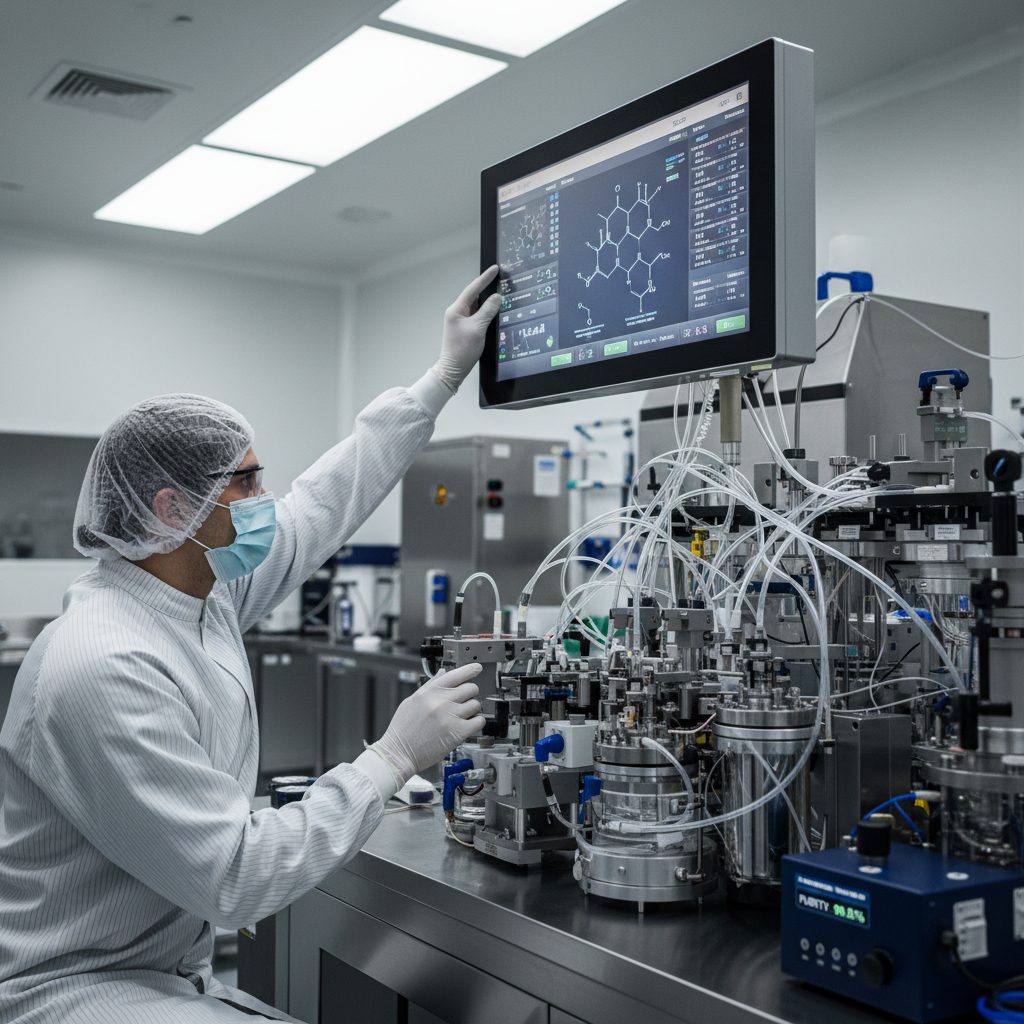
PeptiSystems has gained attention for advancing peptide and oligonucleotide manufacturing. Their technologies aim to increase efficiency, improve purity, and support commercial-scale operations.
Their solutions help drug developers by enabling:
Consistent purity above 98%, which reduces downstream purification needs and strengthens CMC profiles.
Higher batch yields lower the cost per gram and reduce raw material consumption.
Processes move smoothly from milligram R&D batches to multi-kilogram commercial scale, without major redevelopment.
Optimized reagent use and fewer purification cycles reduce overall production expenses.
These improvements support faster clinical progress. When CTM is available on time, trials start earlier and avoid delay-related budget increases.
Manufacturing efficiency affects every phase of drug development. PeptiSystems helps teams achieve reliable batch-to-batch consistency, which improves CMC readiness for IND and NDA filings.
Regulators such as the FDA and EMA emphasize well-controlled manufacturing. Better processes:
This leads to smoother reviews, fewer manufacturing-related questions, and faster progression into later clinical phases.
Rubicon’s investment highlights the rising importance of advanced manufacturing in the biopharma supply chain. With this capital, PeptiSystems plans to expand globally and advance its technology platforms.
This places PeptiSystems in a stronger competitive position within the peptide and oligonucleotide CDMO market.
The CDMO market for peptides and oligonucleotides includes several established players. To stand out, PeptiSystems focuses on:
This dual specialization can attract more clients and create a diversified revenue pipeline.
We can expect:
If PeptiSystems continues to innovate, it can help transform how advanced peptides reach the clinic. Faster CTM production, better yields, and lower manufacturing costs can make developing peptide therapies more viable for biotech companies.
This benefits investors, pharmaceutical partners, and most importantly patients.
Stay ahead of the clinical curve the next great peptide is already in Phase 2. 💊