Seeing your furry best friend slow down is never easy. When their playful bounce becomes stiff steps, it hurts your heart a little. As caring pet parents, we want them to enjoy long, happy, comfortable lives. The good news is that science is opening new doors, especially with something called peptides senior pets treatments, which may support weight, mobility, and overall wellness.
These tiny natural messengers are showing real promise for aging dogs and cats. Ready to see how small molecules can make a big difference? Let’s dive in.
Think of your pet’s body as a smart machine. As it ages, some signals slow down or stop working as well. This is where peptides step in. They act like tiny keys that unlock specific responses in the body. These responses can help reduce inflammation, support healing, improve metabolism, and even manage weight.
Peptides are short chains of amino acids, the building blocks of protein, and they play a role in nearly every body system. In senior pets, they may help keep cells working smoothly and support the body’s natural repair processes.
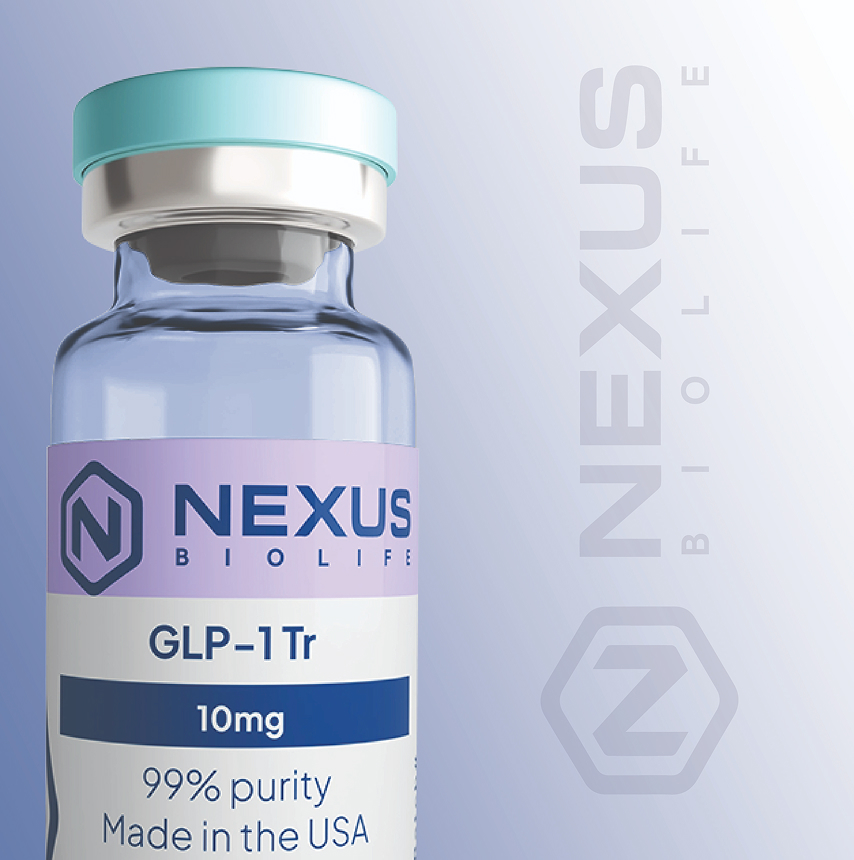
One of the most exciting peptide pathways in veterinary research is GLP-1, also known as Glucagon Like Peptide 1. While the name sounds complex, its job is simple.
What makes GLP-1 especially interesting is that these pathways are highly conserved across mammals. This means what researchers learn in humans often applies to senior pets too.
With pet obesity rising, which can lead to diabetes, arthritis, and reduced lifespan, supporting GLP-1 naturally or with peptide-based therapies is becoming a promising avenue.

We all know that “eat less, move more” is the basic rule. For senior pets, weight loss is not always that simple. Age slows metabolism. Hormones shift. Joints ache. Mobility drops. This creates a cycle that makes weight management difficult.
Research shows that GLP-1 based peptides may help by supporting healthier appetite signals and better glucose uptake. Some studies have shown improved metabolism and reduced insulin needs in diabetic cats.
This means peptides senior pets support may help balance the metabolic system, not just reduce calories. This can lead to sustainable weight management, more energy, and less strain on joints.
Peptides do more than support metabolism. Many act like fast response helpers that move quickly to areas where the body needs support.
Arthritis is common in older pets. Some peptides are being studied for their potential to reduce inflammation and support healthy cartilage.
When cells work more efficiently, your pet may show more interest in play, movement, and social interaction.
By supporting natural metabolic balance and reducing inflammation, peptides may help your senior pet feel better for longer. They are not a fountain of youth but they may add more quality to your pet’s golden years.
Many peptide based approaches are non hormonal, so they work with the body’s natural processes instead of overriding them.
Veterinary medicine continues to evolve. Peptides are becoming an important part of this progress. For senior pets, this research offers real hope, especially for managing obesity, mobility issues, and signs of aging.
However, peptide therapies for pets are still being researched. Always consult your veterinarian before trying any new supplement, treatment, or dietary change. They understand your pet’s unique needs and can guide you safely.
Our pets trust us completely, and they deserve the very best care we can give.
Here’s to more happy, comfortable, tail wagging years with your senior companions.
Regulatory and Medical Disclaimer: This article does not constitute medical advice. Information regarding peptides is for research and educational purposes only. Peptides are often sold as research chemicals and are not regulated as dietary supplements or medications for human use unless explicitly prescribed by a medical doctor. All research or potential human application of peptides requires strict oversight by a licensed medical professional.