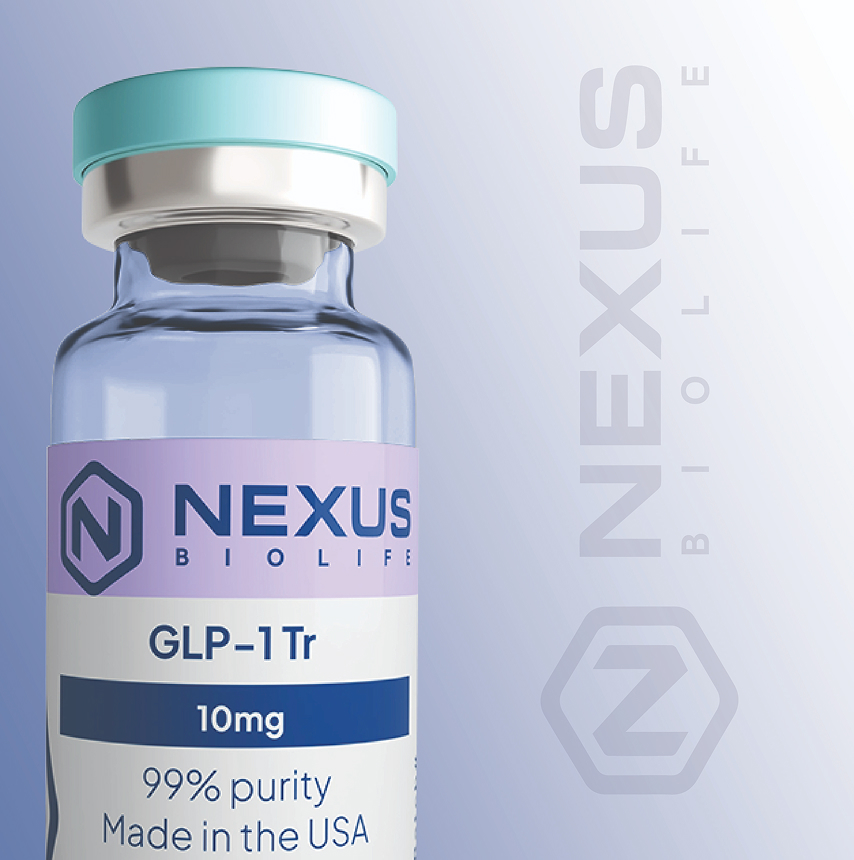
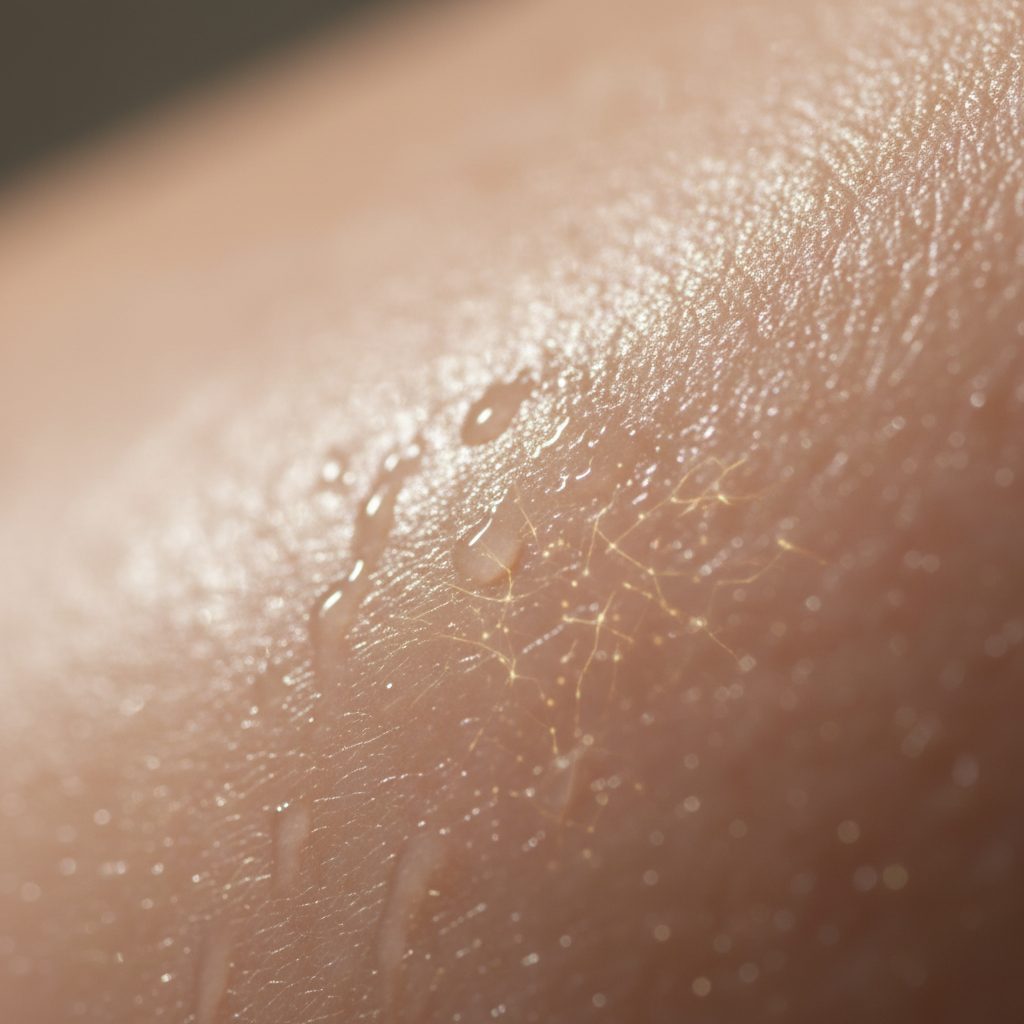
Peptides for skin are quickly becoming one of the most talked about ingredients in modern skincare and for good reason. If you have ever looked at older photos and wondered where that bounce and softness went, you are not alone.
Many people notice subtle changes like fine lines, dullness, or a loss of firmness and start searching for something effective yet gentle. This is where peptides for skin step in as quiet overachievers that work behind the scenes without causing irritation or drama.
For years, ingredients like hyaluronic acid and vitamin C dominated skincare conversations. They are still excellent, but peptides for skin bring something different to the table. They focus on communication. Instead of forcing your skin to change, peptides send signals that encourage your skin to do what it already knows how to do, just more efficiently.
Let us decode how peptides for skin work, why they matter, and how they fit into a well balanced skincare routine.
Peptides for skin are short chains of amino acids. Amino acids are the basic building blocks of proteins such as collagen, elastin, and keratin. When only a few amino acids link together, they form peptides. When many link together, they form full proteins.
What makes peptides for skin special is their role as signaling molecules. These tiny messengers communicate with skin cells and tell them when to repair, rebuild, or calm down. According to research published through the National Center for Biotechnology Information, signaling peptides can influence collagen synthesis and skin repair processes.
Think of peptides for skin as instruction notes rather than construction materials. They do not become collagen themselves. Instead, they tell your skin cells that it may be time to make more collagen or strengthen the skin barrier.

As we age, collagen production gradually slows. Research suggests collagen production declines by roughly one percent per year starting in early adulthood. Over time, this contributes to fine lines, reduced elasticity, and thinner looking skin.
Peptides for skin help address this slowdown by reminding skin cells how to function optimally. Because they work through communication rather than exfoliation or forced turnover, peptides for skin are generally well tolerated, even by sensitive skin types.
This gentle mechanism is one reason peptides for skin are often recommended alongside stronger actives rather than instead of them.
One of the most studied benefits of peptides for skin is collagen support. Certain signaling peptides encourage fibroblast cells to increase collagen and elastin production. Ingredients like Matrixyl are well known examples used in cosmetic formulations.
According to ingredient research shared by cosmetic science suppliers such as Sederma, these peptides for skin help improve firmness and skin texture over time when used consistently.
This does not mean instant results. Instead, peptides for skin support gradual improvements that feel more natural and sustainable.
A healthy skin barrier keeps moisture in and irritants out. When the barrier weakens, skin can feel dry, tight, or reactive.
Peptides for skin contribute to barrier support by encouraging lipid production and cellular repair. As a result, skin may retain hydration better and become less prone to environmental stress.
The American Academy of Dermatology highlights the importance of a strong skin barrier in maintaining overall skin health, especially for individuals dealing with sensitivity or frequent dryness.
Another valuable role of peptides for skin is their ability to soothe irritation. Some peptides have anti inflammatory properties that help calm redness and reduce discomfort.
This makes peptides for skin particularly appealing for people who cannot tolerate aggressive exfoliants or high strength retinoids. Instead of triggering inflammation, peptides support balance and recovery.
Over time, calmer skin often appears smoother and more even in tone.
Certain peptides for skin fall into a category known as neurotransmitter inhibiting peptides. One well known example is Argireline. These peptides help reduce the appearance of expression lines by limiting repetitive muscle contraction signals.
The effect is subtle and temporary, but when used consistently, peptides for skin like these may soften the look of fine lines, especially around the eyes and forehead.
This mechanism is often compared to injectable treatments, although topical peptides for skin work far more gently and without muscle paralysis.
Copper peptides deserve special attention when discussing peptides for skin. These peptides bind copper ions and deliver them to skin cells where copper plays an essential role in enzymatic processes.
Copper supports collagen formation, wound healing, and antioxidant defense. Studies published through dermatology research journals show copper peptides may help improve skin resilience and recovery.
For skin that looks tired or compromised, copper peptides can be a valuable addition to a peptide focused routine.especially if your skin is a bit sensitive to stronger actives¹. They’re the gentle, hardworking teammates!
Understanding different categories of peptides for skin can help you choose the right products.
These encourage collagen, elastin, and hyaluronic acid production.
These deliver trace elements like copper to skin cells.
These slow the breakdown of collagen and other supportive proteins.
These soften expression lines by reducing muscle signaling.
Many formulations combine several peptides for skin to target multiple concerns at once.
A common misconception is that peptides for skin replace retinoids or vitamin C. In reality, they work best together.
Retinoids improve cell turnover and address acne and wrinkles. Vitamin C provides antioxidant protection and brightening. Peptides for skin support repair and communication without irritation.
For sensitive skin, peptides for skin can act as a stabilizing ingredient that makes stronger actives easier to tolerate.
Consistency is key when using peptides for skin. Apply peptide serums or creams daily, usually after cleansing and before heavier moisturizers.
Peptides for skin work well in both morning and evening routines. They also layer easily with hydrating ingredients like hyaluronic acid and ceramides.
Because peptides for skin do not increase sun sensitivity, they are safe to use year round with proper sunscreen application.
When shopping for peptides for skin, look for formulations that list peptides high on the ingredient list. Products that combine multiple peptides often provide broader benefits.
Avoid expecting overnight transformations. Peptides for skin deliver gradual improvements that build over weeks of consistent use.
Peptides for skin represent a thoughtful approach to skincare. They do not overwhelm or shock the skin. Instead, they support its natural intelligence. By encouraging repair, strengthening the barrier, and improving resilience, peptides for skin help create healthier looking skin over time.
Understanding how peptides for skin work allows you to make informed choices rather than chasing trends. With consistency and the right formulation, peptides for skin can become one of the most reliable tools in a long term skincare routine. https://pmc.ncbi.nlm.nih.gov/articles/PMC3583891/
All human research MUST be overseen by a medical professional.