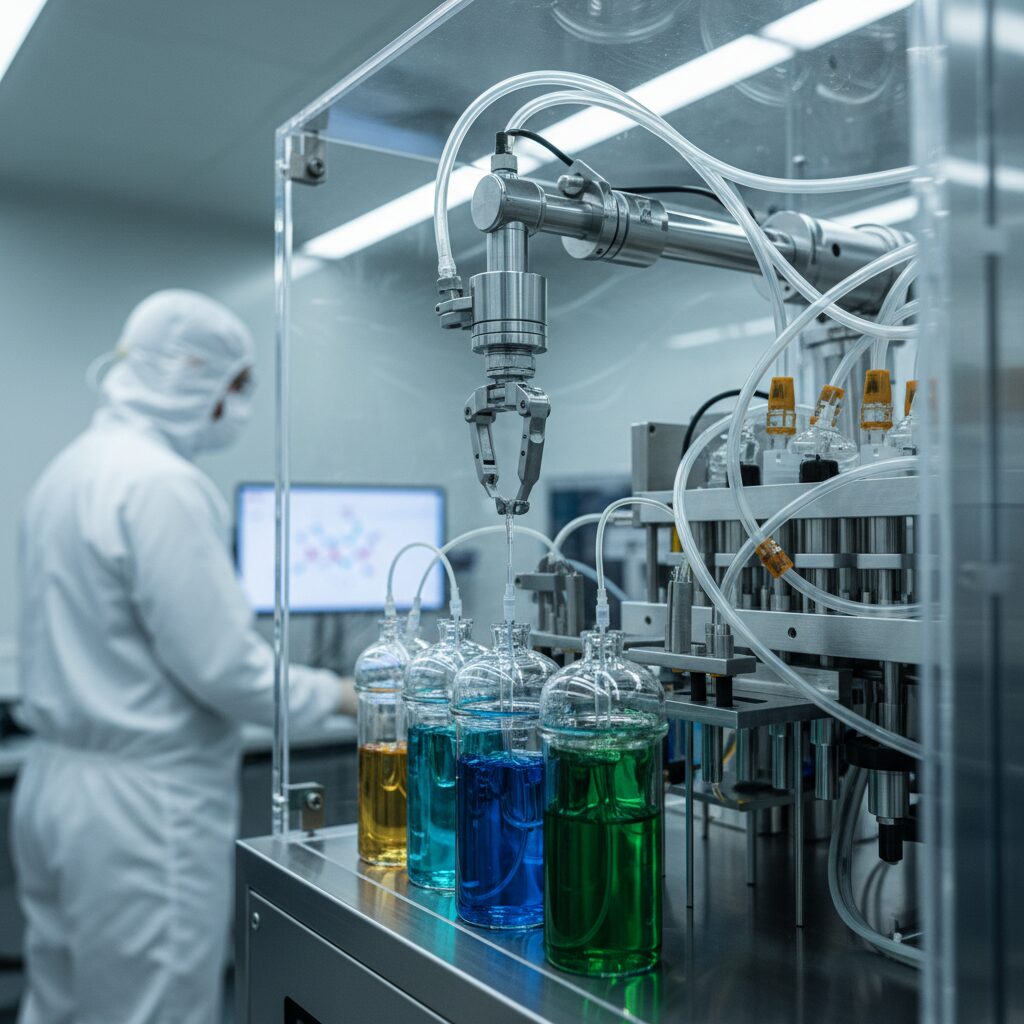
The peptide synthesis market is entering a strong growth cycle driven by demand for precision therapeutics, rapid manufacturing innovation, and supportive regulatory pathways. Peptide drugs now play a central role in treating metabolic disease, cancer, and neurological disorders.
From the perspective of clinical and manufacturing trends, this growth signals a broader shift toward targeted medicines that offer strong efficacy with lower toxicity.
Industry market analyses estimate the peptide synthesis market will grow from about USD 1.01 billion in 2026 to nearly USD 1.37 billion by 2031. This steady expansion reflects rising adoption of peptide drugs and increasing investment in manufacturing capacity.
The wider peptide therapeutics space shows even faster momentum. Multiple market reports estimate the peptide therapeutics market grew from USD 33.3 billion in 2021 to roughly USD 39.3 billion in 2024. Forecasts suggest the market could approach USD 68.7 billion by 2030. This growth is tied to chronic disease prevalence, aging populations, and demand for safer targeted treatments.
Peptides offer high target specificity and favorable safety profiles. They expand the range of proteins that scientists can target compared with traditional small molecules. Techniques such as cyclization and PEGylation improve stability and dosing frequency. These improvements make peptides more practical for long-term therapies.
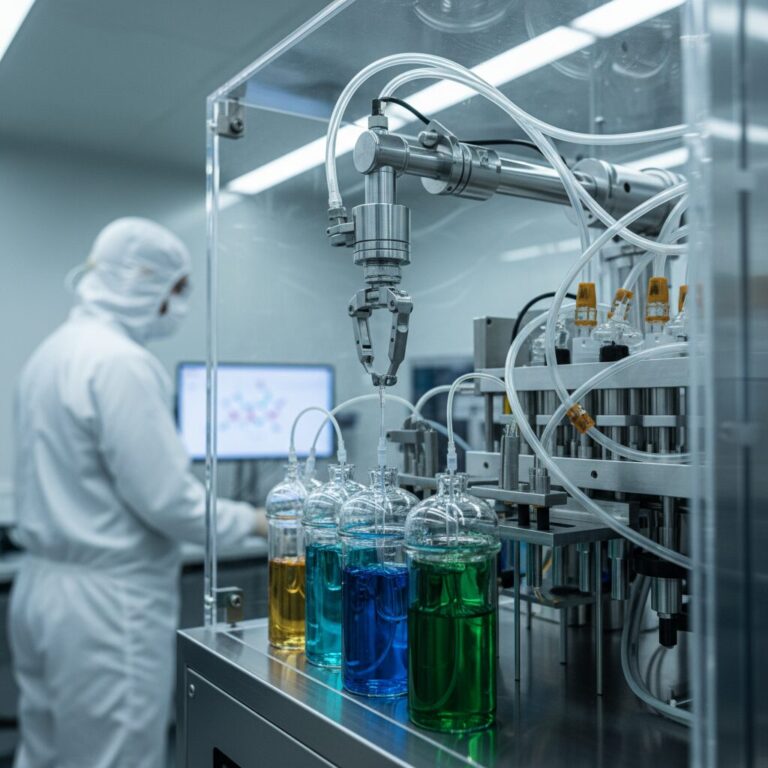
Manufacturing advances continue to reshape the peptide synthesis market. Microwave assisted solid phase peptide synthesis has shortened reaction times from hours to minutes. Modern workflows often achieve crude purity above 90 percent.
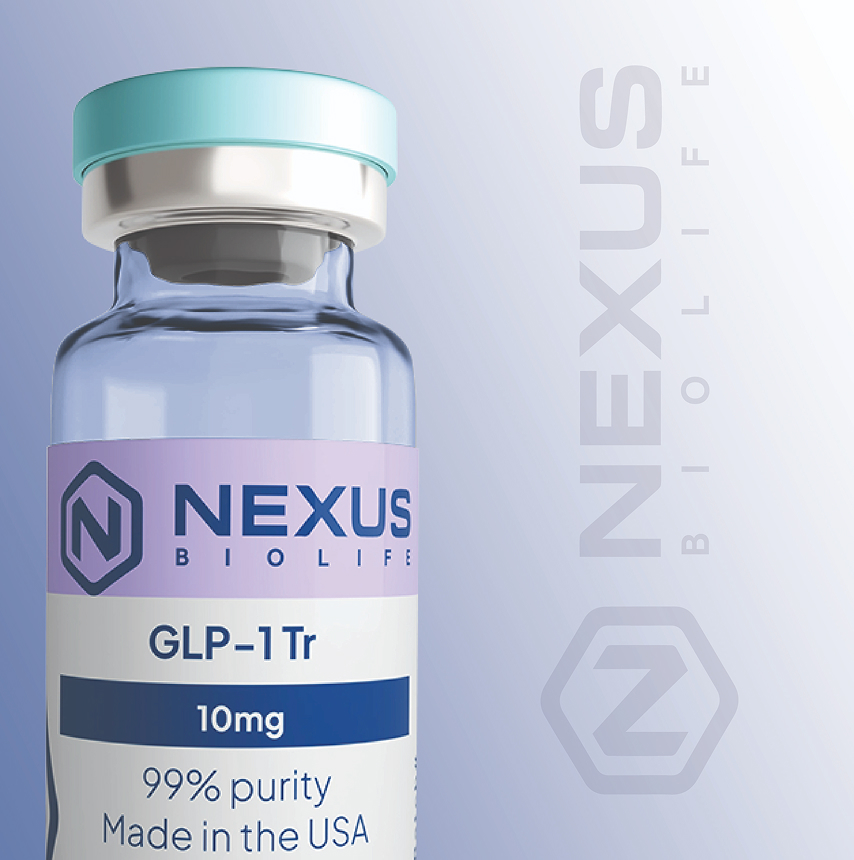
Contract development and manufacturing organizations continue to scale capacity. CordenPharma has announced major investments to support GLP-1 drug production. These investments reflect strong confidence in long-term peptide demand.
Automated synthesis lines now achieve high stepwise yields even for long and complex sequences. Continuous improvements in automation reduce labor intensity and improve reproducibility. Faster manufacturing translates into faster clinical development timelines.

The peptide synthesis market is closely tied to the success of peptide therapeutics. Several therapeutic categories drive current demand.
Metabolic disease remains the largest driver. GLP-1 receptor agonists such as semaglutide and tirzepatide continue to reshape obesity and diabetes treatment.
Oncology also plays a major role. Peptide drug conjugates and radiolabeled peptides provide targeted cancer therapies. One example is 177Lu-DOTATATE, a radiolabeled peptide therapy used for neuroendocrine tumors.
Neurodegenerative disease research continues to grow as peptide delivery and stability improve. More than 150 investigational peptides are currently in development across therapeutic areas.
Solid phase peptide synthesis remains the dominant method in the peptide synthesis market. Industry estimates place its market share above 70 percent. Its popularity comes from mature chemistry, scalable workflows, and wide reagent availability.
However, new methods are gaining attention. Cell free and enzymatic synthesis are the fastest growing segments. These methods support green chemistry goals and reduce environmental impact.
Protein engineering companies are scaling cell free platforms that shorten development timelines. Enzymatic ligation offers excellent stereoselectivity and cleaner purification. These advantages reduce manufacturing complexity and waste.
Traditional solid phase synthesis generates large solvent volumes. Green chemistry initiatives now encourage sustainable alternatives.
Sustainability has become a major theme in the peptide synthesis market. Traditional processes can produce significant solvent waste compared with small molecule manufacturing. Disposal costs and environmental regulations increase production expenses.
Cell free and enzymatic methods reduce water consumption and waste generation. These improvements attract smaller biotech companies seeking lower capital investment. The shift toward sustainable chemistry will likely reshape long-term market competition.
Regulators play an important role in the peptide synthesis market. More than 100 peptide drugs have received approval globally. The US FDA approved imetelstat in 2024 and continues to support fast track pathways for complex peptides. Additional candidates such as olezarsen are progressing through late stage regulatory review.
Clear regulatory guidance reduces risk and encourages investment. Smaller biotech firms benefit from predictable approval pathways and faster review timelines.
North America leads the peptide synthesis market in revenue share. The United States maintains a strong pharmaceutical ecosystem and high research spending. Tax incentives and domestic manufacturing support continued expansion.
Asia Pacific represents the fastest growing region. Cost competitive CDMOs and supportive policies attract global pharmaceutical partnerships. China and South Korea continue to expand peptide production capacity. Japan remains a leader in discovery platforms and innovation.
Europe maintains strong investment in sustainable manufacturing. Switzerland, Germany, and the United Kingdom continue to attract biotech funding. European green policies encourage adoption of enzymatic synthesis and solvent recovery technologies.
Continuous flow peptide synthesis is emerging as a major innovation. Commercial trials show improved productivity and solvent recovery. These improvements reduce environmental impact and accelerate production timelines.
Oral peptide delivery represents another frontier. Merck and Cyprumed recently signed licensing agreements focused on oral peptide technology.
These advances will likely shorten development timelines and expand patient access to peptide drugs.
The short term outlook remains highly positive. Demand for GLP-1 drugs and oncology therapies continues to drive investment. CDMOs are expanding facilities to meet production needs. Manufacturing innovation continues to reduce cost and improve efficiency.
Challenges remain. Production costs remain high. Long peptide sequences still present scalability challenges. Strict quality requirements add complexity to regulatory approval.
Over the long term, the peptide synthesis market will likely shift toward sustainable manufacturing. Automation, digital design, and biocatalysis will reshape production workflows. Companies investing in greener technologies will gain competitive advantage.
Peptide therapeutics continue to demonstrate strong clinical value. Regulatory support and growing investment create a favorable environment for innovation. The convergence of advanced chemistry and automation will transform the future of peptide medicine.
The next wave of peptide drugs is already moving through clinical trials. The peptide synthesis market will remain a central pillar of pharmaceutical innovation for years to come.
All human research MUST be overseen by a medical professional.