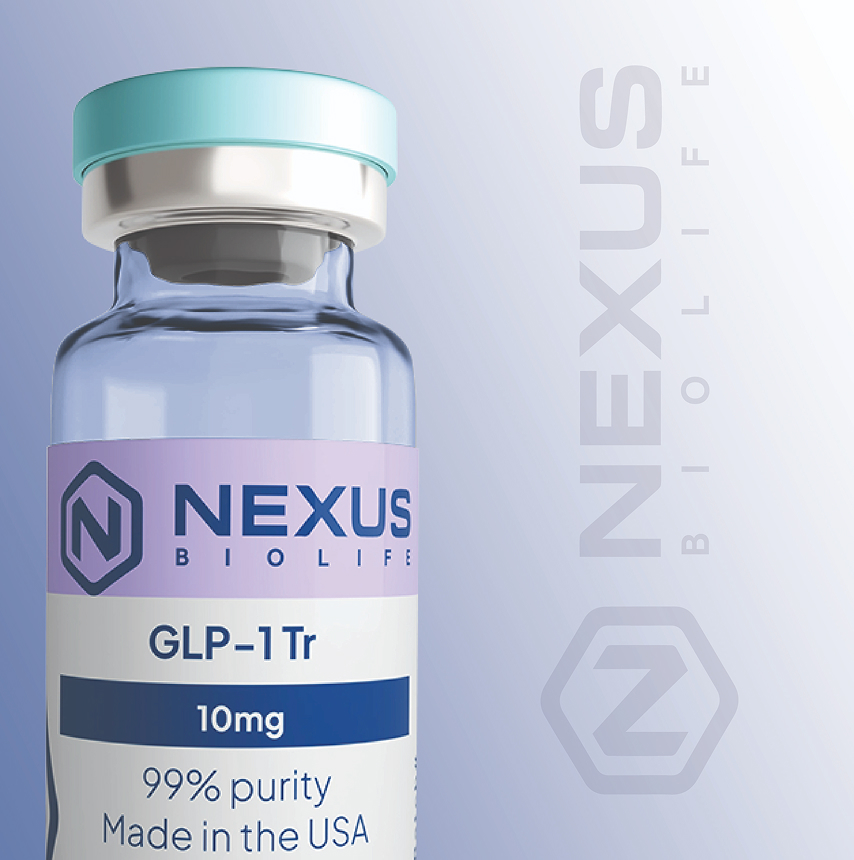

Peptide Research Compounds play a growing role in modern biological and biochemical research. Scientists study these short chains of amino acids for their potential to support laboratory investigations related to metabolism, recovery, cellular signaling, and molecular interactions.
At the same time, Peptide Research Compounds exist within a complex regulatory environment that often confuses researchers, startups, and compliance teams.
The challenge is not innovation itself, but regulation. In the United States, oversight from the Food and Drug Administration depends heavily on how peptide research compounds are marketed, labeled, and distributed. This creates a legal grey area that demands careful attention from anyone sourcing or working with these compounds.
Understanding how peptide research compounds fit into the regulatory framework helps protect research integrity, ensures compliance, and reduces unnecessary risk.
Peptide research compounds are often sold under labels such as “research use only” or “not for human consumption.” These labels signal that the compound is intended strictly for laboratory research, not for clinical or personal use.
Under U.S. law, substances intended for human consumption must go through FDA approval as drugs. This approval process includes preclinical studies, clinical trials, and extensive safety evaluations. Because this process takes years and costs millions, many suppliers market peptide research compounds solely for laboratory use.
However, intent matters more than labels. If peptide research compounds are marketed in ways that imply human use, the FDA may classify them as unapproved new drugs. When this happens, enforcement actions can follow, including warning letters, product seizures, or injunctions.
As a result, peptide research compounds often sit between innovation and enforcement. This grey area allows research to move quickly, but it also increases responsibility for both buyers and sellers.

The FDA monitors peptide research compounds closely, especially when suppliers blur the line between research and consumer use. In recent years, the agency has issued warning letters to companies selling unapproved peptide-based products that were promoted in ways suggesting human consumption.
This scrutiny applies even when websites include “research use only” disclaimers. Marketing language, customer education content, and product descriptions all contribute to how intent is evaluated.
For researchers, this means one thing. Regulatory compliance does not stop at labeling. How peptide research compounds are sourced, described, and used matters just as much as what appears on the bottle.
Quality control remains one of the biggest risks in the peptide research compounds market. Unlike FDA-approved drugs, most peptide research compounds are not required to follow full Good Manufacturing Practices, also known as GMP.
GMP standards regulate raw materials, synthesis processes, equipment cleanliness, staff training, testing procedures, and documentation. Without strict GMP oversight, peptide research compound may vary significantly in quality.
Common quality issues include:
Even small variations can affect experimental outcomes. Poor quality peptide research compounds can compromise data, waste time, and undermine reproducibility.
This is why experienced researchers emphasize supplier transparency and third-party testing.
Third-party laboratory testing provides one of the strongest safeguards in a loosely regulated market. Reputable suppliers of peptide research compound often provide Certificates of Analysis from independent laboratories.
These reports typically verify:
When evaluating peptide research compound, access to recent and verifiable lab reports matters more than marketing claims.
Some peptide research compounds also appear in compounding discussions, which introduces additional regulatory complexity. The FDA has raised concerns about certain compounded peptides due to stability issues, inconsistent dosing, and potential immune reactions.
For example, the agency has flagged risks related to peptide stability and immunogenicity in compounding contexts. These concerns reinforce the idea that peptide research compounds require careful handling and robust quality controls, even in professional environments.
This distinction matters because compounding pharmacies operate under different rules than research chemical suppliers. Confusing these categories increases compliance risk.
The online market for peptide research compounds includes both responsible suppliers and unreliable sellers. The lack of uniform oversight allows low-quality products to circulate alongside legitimate research materials.
Key grey market risks include:
For researchers, this creates uncertainty. Choosing peptide research compounds based on price alone often leads to unreliable results.
Industry education platforms like Peptides.today frequently stress the importance of supplier credibility, transparency, and documentation when sourcing peptide research compounds.
Navigating the regulatory landscape of peptide research compounds requires both awareness and discipline. The following best practices help reduce risk and protect research quality.
Always treat peptide research compounds as laboratory materials only. Avoid any use or discussion that implies human consumption.
Work with suppliers that openly share testing data, sourcing details, and handling practices.
Review third-party lab reports for each batch of peptide research compound used in research.
FDA guidance evolves. Staying informed helps avoid compliance issues and unexpected enforcement actions.
Accurate records support reproducibility, accountability, and professional research standards.
Compliance is not a limitation. For researchers and organizations, it acts as a strategic advantage. Using high-quality peptide research compounds strengthens data integrity, protects reputation, and supports long-term research goals.
When regulatory expectations are understood and respected, peptide research compound can support meaningful scientific progress without unnecessary risk.
The market may remain complex, but informed decision-making makes it navigable.
¹ U.S. Food and Drug Administration. (n.d.). Drugs: Unapproved Drugs. Retrieved from https://www.fda.gov/drugs/drug-safety-and-availability/unapproved-drugs
² U.S. Food and Drug Administration. (2018). Guidance for Industry: Current Good Manufacturing Practice for Finished Pharmaceuticals. Retrieved from https://www.fda.gov/media/71060/download
³ U.S. Food and Drug Administration. (2024, May 15). Warning Letter: USAPeptide. Retrieved from https://www.fda.gov/inspections-compliance-enforcement-and-criminal-investigations/warning-letters/usapeptide-llc-679904-05152024
⁴ U.S. Food and Drug Administration. (2016). 21 CFR Part 210, Current Good Manufacturing Practice in Manufacturing, Processing, Packing, or Holding of Drugs; General. Retrieved from https://www.accessdata.fda.gov/scripts/cdrh/cfdocs/cfcfr/CFRSearch.cfm?CFRPart=210
⁵ U.S. Food and Drug Administration. (2023, September 28). Compounding Peptides: Information for Patients and Healthcare Professionals. Retrieved from https://www.fda.gov/drugs/human-drug-compounding/compounding-peptides-information-patients-and-healthcare-professionals
All human research MUST be overseen by a medical professional.