
Peptide metabolic health is often misunderstood, yet it sits at the center of how your body produces energy, manages weight, repairs cells, and maintains balance over time. It is easy to feel overwhelmed by constant health trends and bold claims online.
However, when you look past the noise, metabolism becomes far less mysterious and far more empowering. By understanding how peptides influence metabolic health, you can make choices rooted in science rather than hype.
Many people grow up thinking metabolism is fixed. You either have a fast one or a slow one. In reality, metabolic health is dynamic. It responds to signals inside your body and to daily habits like sleep, nutrition, movement, and stress.
Peptides play a major role in this signaling process, which is why peptide metabolic health has become such an important topic in modern medicine and wellness.
Peptide metabolic health starts with communication. Peptides are short chains of amino acids that act as messengers inside the body. Because they are smaller than full proteins, they can deliver very specific instructions to cells. These instructions influence how your body uses energy, stores fat, regulates blood sugar, and recovers from stress.
Some peptides help control appetite and insulin response. Others influence muscle repair, immune function, or sleep quality. Together, these signals shape your overall metabolic health. This is why peptide metabolic health is not about one molecule or one treatment. It is about how many signals work together to keep your system balanced.

Fiction: If something is called a peptide, it must automatically be safe and beneficial.
Fact: Peptides vary widely in function and safety. Some peptides are well studied and approved for medical use. Others are experimental or unregulated.
Certain unapproved peptides have been linked to serious side effects. This is why peptide metabolic health should always be approached through evidence based medicine and professional guidance rather than self experimentation.
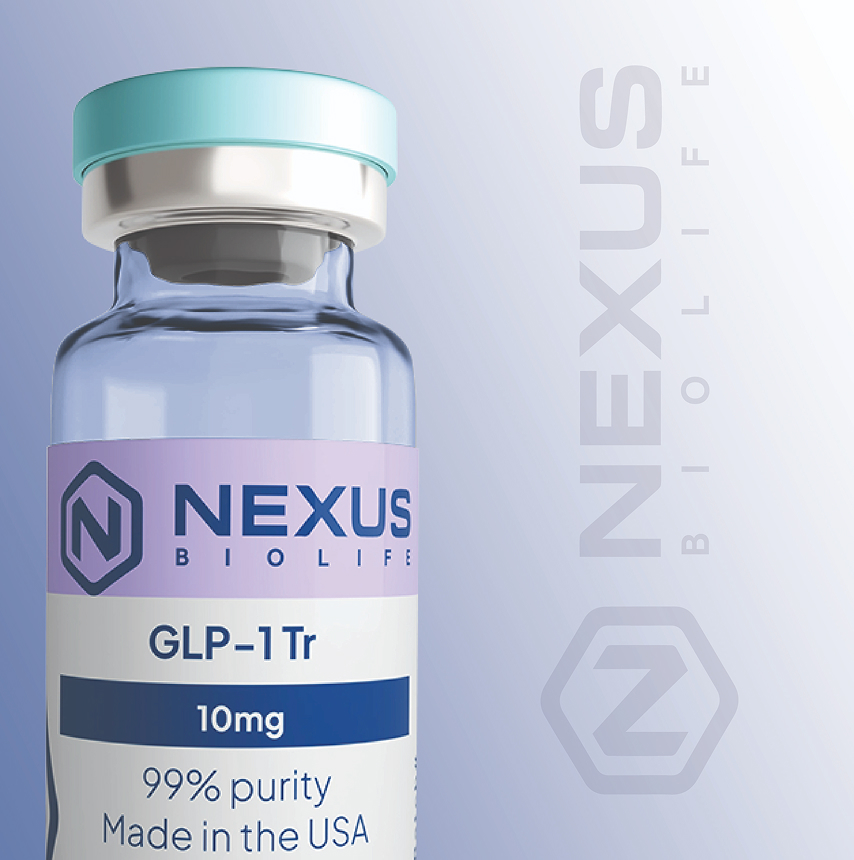
One of the most well known examples of peptide metabolic health in action is GLP-1. GLP-1 is a naturally occurring peptide hormone that helps regulate appetite, digestion, and blood sugar.
Medications like semaglutide and tirzepatide are designed to mimic this peptide. They were originally developed to treat type 2 diabetes, but they are now widely used to support weight management and metabolic health.
GLP-1 based therapies support peptide metabolic health in several ways. First, they slow stomach emptying, which helps you feel full longer. Second, they reduce appetite signals in the brain. Third, they improve blood sugar control by supporting insulin release when needed.
As access to these therapies expands in many regions, peptide metabolic health tools are becoming more available. Still, these medications are not magic solutions. They work best when combined with balanced nutrition, regular movement, and consistent sleep.
Fiction: Taking a GLP-1 injection solves metabolic health problems without lifestyle changes.
Fact: GLP-1 therapies support peptide metabolic health, but they do not replace healthy habits. They enhance the body’s response to nutrition and activity. Long term metabolic health still depends on daily choices.
While peptides act as messengers, NAD+ acts as a critical helper molecule inside every cell. It supports energy production, DNA repair, and cellular resilience. NAD+ levels naturally decline with age, which affects metabolic health over time.
Peptide metabolic health and NAD+ are closely linked because both influence how efficiently cells produce energy and recover from stress. When NAD+ levels are supported through healthy habits, cells function more efficiently. This supports better metabolic health, improved recovery, and sustained energy.
Fiction: NAD+ support is only relevant for celebrities or extreme wellness trends.
Fact: NAD+ plays a foundational role in cellular metabolism for everyone. Research continues to explore how supporting NAD+ through nutrition, exercise, and medical supervision may help maintain metabolic health as we age.
Sleep is one of the most overlooked pillars of peptide metabolic health. During sleep, your body resets hormone signals that control hunger, blood sugar, and energy use. Poor sleep disrupts these signals and increases cravings for high calorie foods.
Peptides involved in metabolic health are strongly influenced by sleep quality. When sleep is inconsistent, appetite regulating peptides become imbalanced. This makes weight management and blood sugar control more difficult.
Some people use supplements like melatonin, magnesium, or L-theanine to support sleep. These can help with mild disruptions. However, they are not cures for chronic sleep disorders. Consistent routines, reduced screen exposure, and stress management remain essential for peptide metabolic health.
What you eat directly affects peptide metabolic health. Ultra processed foods are engineered to be hyper palatable and easy to overeat. They often disrupt natural fullness signals and displace nutrient dense foods.
Diets high in ultra processed foods are consistently linked to obesity, type 2 diabetes, cardiovascular disease, and metabolic dysfunction. These foods interfere with peptide signaling related to hunger and satiety.
Fiction: As long as calories are controlled, food quality does not matter.
Fact: The source of calories strongly affects peptide metabolic health. Whole foods provide fiber, vitamins, and minerals that support stable blood sugar and healthy peptide signaling. Ultra processed foods often lead to rapid spikes and crashes that strain metabolic systems.
Peptide metabolic health is not about shortcuts. It is about understanding how your body communicates and responding with informed choices. Peptides, NAD+, sleep, movement, and nutrition all interact continuously.
When you support peptide metabolic health, you support energy, resilience, and long term vitality. This means choosing whole foods more often, prioritizing sleep, staying active, and using medical therapies responsibly when appropriate.
Understanding peptide metabolic health allows you to move from confusion to clarity. Your metabolism is not working against you. It is responding to signals every day. When those signals are supported by science based habits, your body can do what it was designed to do: adapt, repair, and thrive.
All human research MUST be overseen by a medical professional.