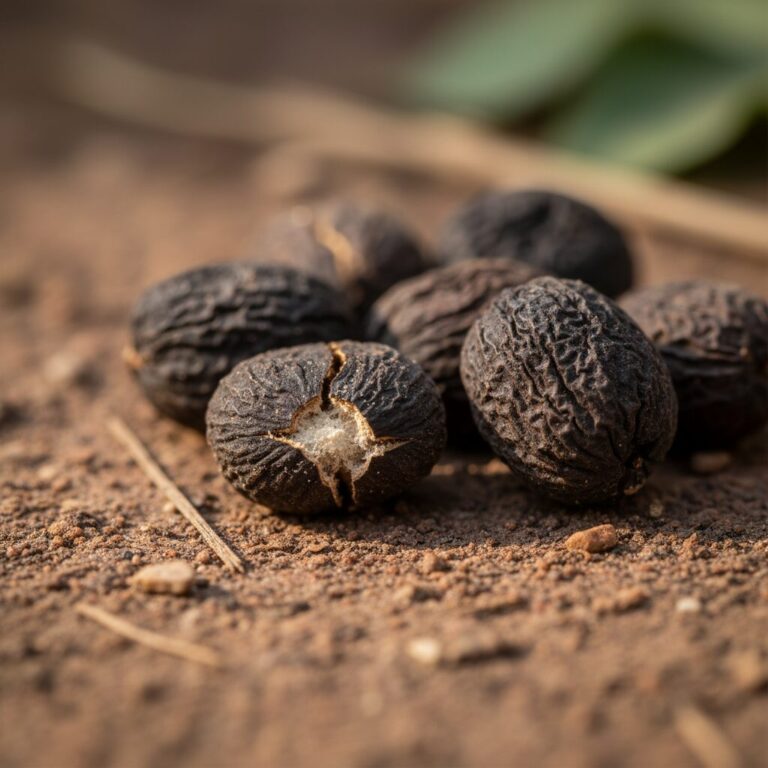
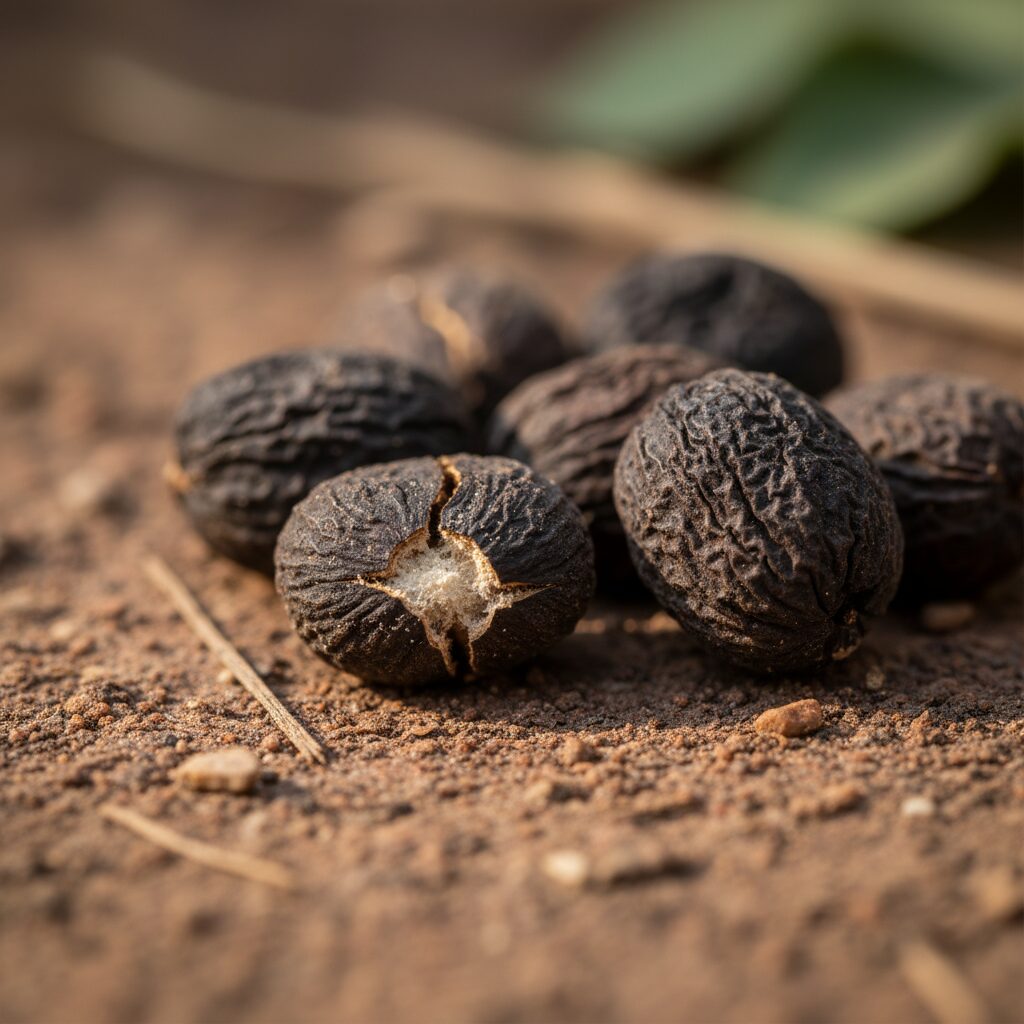
Peony Seed Peptides are transforming how we view floral byproducts. These powerful molecules come from the leftover meal of Paeonia ostii seeds. Therefore, they represent a major win for sustainable health science.
Researchers have discovered that these peptides act like superhero shields. Specifically, they provide a strong defense against cellular damage. They show impressive radical scavenging activity in recent laboratory tests.
This discovery is not just about garden beauty. It is about protecting your body from oxidative stress. You can think of this stress as internal rust. Consequently, these tiny protein fragments help keep your cells clean and functional.
The creation of Peony Seed Peptides involves a very precise process. Scientists use a specific enzyme called Neutrase to break down the proteins. This method ensures that the most active fragments are released.
Advanced computer models helped identify the best sequences. Specifically, fragments like FRF and RWL showed the highest potential. These small molecules have better bioavailability than larger proteins. As a result, they can reach your cells much more easily.
This meticulous approach ensures high quality and potency. Scientists found over 360 unique sequences in the seed meal. However, only a few standout candidates provide the best antioxidant results.

Peony Seed Peptides work by activating the Keap1-Nrf2 pathway. This system is the master switch for your body’s defenses. When these peptides bind to Keap1, they release a protein called Nrf2.
Nrf2 then enters the nucleus to trigger natural enzyme production. These enzymes include superoxide dismutase and catalase. Together, they neutralize harmful free radicals before damage occurs. Thus, the peptides help your body heal itself from within.
Laboratory tests on liver cells confirm these protective effects. When stressed with hydrogen peroxide, cells treated with peptides survived better. This proves that Peony Seed Peptides are effective cytoprotective agents.
The demand for Peony Seed Peptides is growing in the wellness industry. They are perfect for functional foods and anti-aging supplements. Because they come from agricultural waste, they support a circular economy.
Ongoing research continues to explore new health applications. For instance, these peptides may support skin health and organ longevity. They offer a natural alternative to synthetic antioxidant compounds.
We are just beginning to see the full potential of these floral wonders. As science advances, these peptides will become a staple in nutrition. They prove that nature often hides its best secrets in plain sight.
What’s your hidden peptide pearl? DM me—let’s co-author the next unearthed epic. 🧪
All human research MUST be overseen by a medical professional.