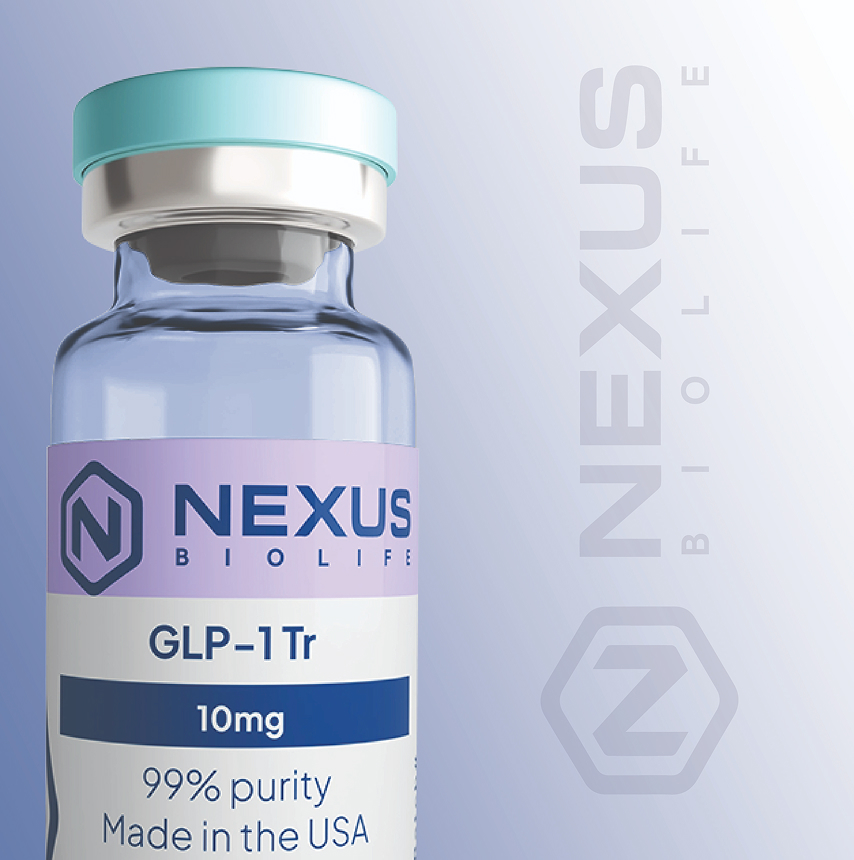

Oral peptide manufacturing is emerging as a major frontier in pharmaceutical development. For decades, peptides and biologics have relied on injections due to instability in the gastrointestinal tract. Today, advances in synthetic biology, artificial intelligence, and GMP scale production are beginning to change that. This shift is not only about convenience but about redefining how biologics are produced, delivered, and regulated.
At the same time, the peptide therapeutics market continues to grow, fueled by treatments in metabolic disease, oncology, and rare disorders. However, most peptide drugs still require injections, creating adherence and accessibility challenges. As a result, scalable oral peptide manufacturing platforms have become a strategic focus for the industry.
Historically, oral delivery of peptides has been limited by two major obstacles. First, digestive enzymes rapidly degrade protein structures. Second, peptides struggle to cross intestinal barriers efficiently. Therefore, traditional oral bioavailability for many peptides remains in the low single digit percentage range.
However, modern oral peptide manufacturing platforms are now integrating biological encapsulation systems with precision formulation technologies. Instead of relying solely on synthetic coatings or nanoparticles, new approaches use engineered microorganisms to protect and produce peptides more efficiently.
A promising shift in oral peptide manufacturing involves engineered cyanobacteria that produce peptides inside natural protein shells called carboxysomes. These microscopic structures may improve stability and scalability by protecting peptides before and during delivery.
Still, innovation must meet compliance standards. As discussed in regulatory changes impacting peptide manufacturers, biological platforms face strict validation requirements. At the same time, concerns around peptide gray market regulation reinforce the need for strong GMP controls and peptide supply chain integrity as oral peptide manufacturing advances toward clinical use.

Oral peptide manufacturing is becoming a key focus in pharmaceutical development. For years, peptides required injections due to instability in the gastrointestinal tract. Now, advances in synthetic biology, artificial intelligence, and GMP scale production are working to enable oral delivery and reshape how biologics are made and regulated.
Meanwhile, the peptide therapeutics market continues to expand across metabolic, oncology, and rare disease treatments. However, most peptide drugs still depend on injections, leading to adherence and access challenges. This is why scalable oral peptide manufacturing platforms are now a strategic priority for the industry.
Beyond biological engineering, artificial intelligence is reshaping oral peptide manufacturing workflows. Traditional formulation development often relies on slow, manual experimentation. This approach can introduce variability and delay progress.
In contrast, AI driven robotic laboratories allow rapid testing of multiple formulation parameters simultaneously. Machine learning systems analyze data patterns and optimize variables such as pH stability, excipient compatibility, and release kinetics. As a result, development timelines can be shortened while consistency improves.
For oral peptide manufacturing, this integration is particularly valuable. Oral delivery requires careful coordination between protective encapsulation, dissolution timing, and intestinal absorption. Therefore, iterative testing supported by AI can significantly de risk early stage programs.
Moreover, AI platforms can assist in scheduling manufacturing runs, tracking deviations, and maintaining digital documentation for regulatory submission. These efficiencies enhance both speed and compliance readiness
Although oral peptide manufacturing platforms show promise, the transition from laboratory innovation to human trials requires methodical progression. Initially, developers must conduct comprehensive preclinical studies. These studies evaluate absorption, distribution, metabolism, excretion, and toxicity profiles.
In addition, immunogenicity assessments are crucial. Because encapsulation systems may introduce novel biological components, regulators will carefully review potential immune responses. Stability data under simulated gastric conditions must also demonstrate reproducibility.
Once preclinical data are complete, sponsors submit an investigational new drug application to the FDA. Upon clearance, Phase I trials begin. These early studies assess safety, tolerability, and preliminary pharmacokinetics in healthy volunteers.
For oral peptide manufacturing platforms converting approved injectable peptides into oral formulations, existing safety data may support early regulatory discussions. However, new delivery systems still require strict validation, especially in light of ongoing regulatory changes impacting peptide manufacturers.
Following GMP facility commissioning and IND submission, first in human studies could begin within two to three years, assuming regulatory alignment.
Another compelling dimension of oral peptide manufacturing involves sustainability. Conventional peptide synthesis often requires solvent intensive chemical processes or mammalian cell culture systems with high energy demands.
By contrast, photosynthetic cyanobacteria utilize carbon dioxide, light, and basic nutrients to grow. Therefore, large scale cultivation may reduce environmental impact relative to traditional methods. Additionally, simplified growth inputs could lower production costs over time.
Cost efficiency plays a critical role in global access. If oral peptide manufacturing achieves both clinical reliability and economic scalability, it could expand biologic availability beyond high income markets. Improved affordability would benefit patients managing chronic conditions such as diabetes or inflammatory disorders.
Several technologies have attempted to solve the oral peptide challenge. Liposomes, polymeric nanoparticles, and enteric coatings each offer partial solutions. However, these systems often struggle with instability, premature leakage, or inconsistent absorption.
Biological encapsulation using protein microcompartments offers an alternative paradigm. Because carboxysomes are naturally evolved structures, they demonstrate structural resilience. Furthermore, genetic engineering allows precise customization of internal cargo loading.
Nonetheless, head to head comparative clinical data remain limited. Therefore, long term viability of this oral peptide manufacturing approach depends on reproducible human outcomes. Laboratory promise must translate into statistically significant bioavailability improvements in controlled trials.
Regulators evaluate three core pillars: safety, efficacy, and manufacturing control. For oral peptide manufacturing, each pillar includes platform specific considerations.
Safety evaluation must examine both the peptide and the encapsulation system. Toxicology studies should confirm absence of harmful metabolites. Furthermore, long term exposure risks require careful modeling.
Efficacy assessment demands measurable systemic exposure. Improved bioavailability compared to injection may not be required, but therapeutic equivalence is essential.
Manufacturing control represents the most intricate pillar. Batch consistency, microbial containment, strain identity, and genetic stability all require documentation. In addition, facilities must maintain validated cleaning protocols and contamination safeguards.
Engagement with regulators early in development can streamline approval pathways. Sponsors often request pre IND meetings to clarify expectations before large capital investments in oral peptide manufacturing infrastructure.
As oral peptide manufacturing advances within regulated environments, it is important to distinguish clinical grade development from unregulated research peptide markets. Products sold online without oversight may lack purity, accurate dosing, or sterility assurance.
In contrast, GMP produced therapeutics undergo validated analytical testing. Identity confirmation, impurity profiling, endotoxin screening, and stability testing protect patient safety. Therefore, consumers should never substitute unverified compounds for clinically studied medications.
Clear differentiation between regulated oral peptide manufacturing and grey market sourcing strengthens industry credibility and patient trust.
Looking forward, oral peptide manufacturing could reshape therapeutic categories currently dominated by injections. Metabolic disorders, hormone deficiencies, autoimmune diseases, and rare genetic conditions may benefit from oral biologic alternatives.
Furthermore, combination therapies may emerge. For example, peptides encapsulated within biological carriers could be co formulated with permeability enhancers or enzyme inhibitors. Such strategies could amplify absorption efficiency.
Additionally, continuous manufacturing models supported by AI may reduce waste and increase throughput. Real time analytics could monitor critical quality attributes during production rather than relying solely on end batch testing.
However, success depends on robust clinical data. Investors and regulators alike require evidence beyond mechanistic promise. Therefore, the next several years will likely determine whether oral peptide manufacturing achieves mainstream adoption.
To build authority within this rapidly evolving space, companies should integrate educational resources alongside research updates. Articles explaining peptide bioavailability challenges, GMP manufacturing fundamentals, Phase I clinical trial design, and synthetic biology applications can reinforce topical relevance.
Strategic internal linking between these educational assets enhances search visibility and improves reader navigation. For instance, linking from this article to related discussions on peptide therapeutics market trends or AI driven drug development creates contextual depth.
External references to authoritative organizations such as the FDA and peer reviewed publications further strengthen credibility signals for search engines.
Oral peptide manufacturing is reshaping how biologic drugs may be produced and delivered. By combining engineered biology, AI-driven formulation, and GMP manufacturing standards, researchers are working to overcome peptide bioavailability challenges and advance practical oral peptide delivery systems. Continued industry updates and regulatory insights are available on the Peptides Today homepage.
As development progresses, scalable oral peptide manufacturing will depend on strong preclinical toxicology studies, regulatory compliance, and consistent production quality. If clinical validation confirms safety and effectiveness, this peptide manufacturing innovation could reduce reliance on injections and expand global patient access.
¹ PR Newswire. (2026, February 18). CyanoCapture and Persist AI Announce Strategic Collaboration to Build World’s First Robotic GMP Facility for Oral Protein and Peptide Drugs. Morningstar. https://www.morningstar.com/news/pr-newswire/20260218la87235/cyanocapture-and-persist-ai-announce-strategic-collaboration-to-build-worlds-first-robotic-gmp-facility-for-oral-protein-and-peptide-drugs
² CyanoCapture. (n.d.). Photosynthetic Biomanufacturing. CyanoCapture.com. Retrieved [Current Date] from https://www.cyanocapture.com/
³ University of Liverpool. (2025, October 30). Partnership with CyanoCapture Ltd to develop bionanotechnology for targeted drug delivery. News.liverpool.ac.uk. https://news.liverpool.ac.uk/2025/10/30/partnership-with-cyanocapture-ltd-to-develop-bionanotechnology-for-targeted-drug-delivery/
⁴ Persist AI. (n.d.). Home. Persist-AI.com. Retrieved [Current Date] from https://www.persist-ai.com/
⁵ AI Journal. (2026, February 18). CyanoCapture and Persist AI Announce Strategic Collaboration to Build World’s First Robotic GMP Facility for Oral Protein and Peptide Drugs. AI Journal. https://aijourn.com/cyanocapture-and-persist-ai-announce-strategic-collaboration-to-build-worlds-first-robotic-gmp-facility-for-oral-protein-and-peptide-drugs/
⁶ Ekambaram, S., & Dokholyan, N. V. (2026). Peptide-based drug design using generative AI. Chemical Communications, 62, 672-691. https://pubs.rsc.org/en/content/articlehtml/2026/cc/d5cc04998a
⁷ Khalifa, S. A. M., Shedid, E. S., Saied, E. M., Jassbi, A. R., Jamebozorgi, F. H., Rateb, M. E., Du, M., Abdel-Daim, M. M., Kai, G.-Y., Al-Hammady, M. A. M., Xiao, J., Guo, Z., & El-Seedi, H. R. (2021). Cyanobacteria—From the Oceans to the Potential Biotechnological and Biomedical Applications. Marine Drugs, 19(5), 241. https://www.ncbi.nlm.nih.gov/pmc/articles/PMC8146687/
All human research MUST be overseen by a medical professional.