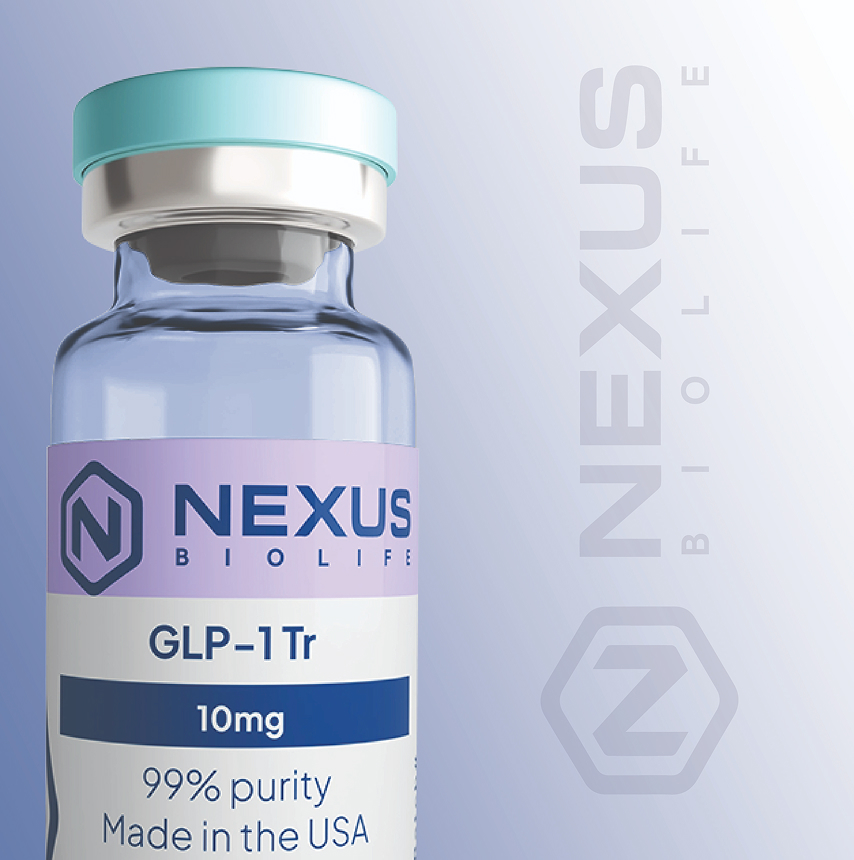

Online peptide doping is becoming one of the biggest silent problems in competitive sports today. The availability of unapproved peptides online has made it easier than ever for athletes and recreational users to access substances that were once limited to underground networks.
Many of these peptides are not approved for human use by the U.S. Food and Drug Administration (FDA) and are banned by the World Anti-Doping Agency (WADA). Yet they remain accessible through online marketplaces and private sellers. This growing trend is alarming sports regulators, compliance teams, and healthcare professionals who oversee peptide research.
The situation is serious because online peptide doping has introduced a new challenge that current regulations struggle to control. To understand how this happened, we need to explore the legal gaps, anti-doping policies, and the fast growth of online peptide sales.

Many peptides are listed online as “research chemicals” and include labels such as “not for human consumption.” However, people still use them based on community forums, YouTube videos, and influencer claims. These peptides often appear in the WADA Prohibited List, specifically in two categories:
The S0 category works as a placeholder for substances that do not have recognized medical approval anywhere in the world. Online peptide doping grows rapidly because these rules do not restrict online availability. They only restrict athlete use.
Two main forces fuel this rise.
This combination has created the perfect environment for online peptide doping to spread.
Understanding online peptide doping requires examining how regulatory systems work. The FDA exists to make sure that drugs are safe and effective before they reach consumers. However, the moment a seller labels a peptide as a research chemical, it falls into a regulatory gray area. These products can skip the clinical trial process entirely.
This creates three major risks:
Some therapeutic peptides such as insulin or GLP-1 medications have real medical value. These require prescriptions, oversight, monitoring, and scientific testing. In contrast, online peptide doping involves substances that claim similar benefits without any safety evidence.
Without explicit oversight, consumers have no guarantee that the peptide contains what the label promises. Studies published by anti-doping laboratories have revealed mislabeled products, contaminants, and random fillers.
WADA focuses on detection, education, and penalties rather than controlling online sales. Their rulebook determines whether an athlete can use a substance. It does not regulate manufacturing or distribution.
To address online peptide doping, WADA now collaborates with:
WADA has also launched partnerships to investigate online trafficking, counterfeit peptides, and unregulated supply chains.
One major tactic is long-term sample storage. The International Olympic Committee now stores biological samples for up to 10 years. This matters because substances that are currently undetectable may become detectable later.
So online peptide doping may help athletes evade testing today but still result in sanctions years later.
In recent years, major retailers such as Amazon and Alibaba have removed peptide listings after media pressure. However, many sellers simply move to:
This means online peptide doping continues even after high-visibility takedowns.
If regulations eventually require online platforms to verify research chemical sellers, we may see significant change. Until then, policing remains slow and reactive.
Online peptide doping affects far more than sports. It is shaping how investors, regulators, and research institutions view peptide science.
Here are key impacts.
Public confusion often places legitimate peptide therapy in the same bucket as online peptide doping. This can create loss of trust and hesitation around real medical research.
Legislators may respond with tighter controls on peptide manufacturing, labeling, importation, and online retail access. Platforms may need:
Startups working on peptide-based innovations should prepare compliance frameworks early. This protects credibility and future regulatory relationships.
Online peptide doping evolves quickly. To keep up, regulators invest in:
As detection improves, athletes who believe peptides are “untraceable” will likely face delayed sanctions.
Some people argue that peptides unlock medical breakthroughs. That may be true in legitimate clinical settings. However, online peptide doping bypasses medical oversight and puts health risks above safety.
Unregulated peptide use can lead to:
Because of these risks, any human testing must meet safety, regulatory, and ethical requirements.
Online peptide doping is transforming the landscape of sports compliance, drug regulation, and public health. The current laws struggle to manage the digital supply of unapproved peptides. At the same time, anti-doping agencies focus on athlete testing rather than restricting sales.
The future of the peptide industry depends on stronger clarity, medical oversight, and responsible governance. Compliance is not just necessary. It is strategic.
¹ Associated Press. (2023, December 3). Doping at your doorstep: The next Olympic drug crisis could be coming through the mail. KARE11.com.
² Antidoping Sciences Institute. (n.d.). About Us. Retrieved from https://www.antidopingsciences.org/
³ World Anti-Doping Agency. (n.d.). WADA’s Partnership with Law Enforcement. Retrieved from https://www.wada-ama.org/en/what-we-do/investigations-and-intelligence/law-enforcement-partners
All human research MUST be overseen by a medical professional