
Hitting a new PR feels unreal. You crush a heavy lift, dominate conditioning, or push past your limits on the field. However, the soreness always shows up. Recovery slows momentum, drains motivation, and keeps you stuck in grind mode. That is why athletes everywhere are talking about next-level recovery peptides. These compounds promise faster healing, reduced inflammation, and a quicker return to peak performance. If you want to understand the truth behind the hype, the science, and the risks, you are in the right place.
Next-level recovery peptides have become one of the most discussed tools in modern performance culture. Yet most athletes only hear fragments of the story. Let us break it down clearly and responsibly.

Next-level recovery peptides are short chains of amino acids that support communication and repair processes inside the body. Peptides act as signaling molecules. They tell cells when to repair tissue, reduce inflammation, or form new blood vessels. Your body already produces many peptides naturally every day. For example, insulin is a peptide hormone that regulates blood sugar and energy use.
Because peptides already exist in the human body, researchers have studied specific peptides for their potential role in accelerated healing and recovery. This research has fueled interest in next-level recovery peptides among athletes and fitness enthusiasts.
When people talk about next-level recovery peptides, they usually mean the combination of BPC-157 and TB-500. Many call this pairing the Wolverine Stack because of its association with rapid healing.
BPC-157 is a peptide derived from a protein found in gastric juice. Researchers have studied it for its potential to support tissue protection and repair in muscles, tendons, ligaments, and the gut. TB-500 is a fragment of thymosin beta-4, a protein involved in cell movement and regeneration. Together, these compounds are believed to influence multiple recovery pathways.
The excitement around next-level recovery peptides comes from several observed mechanisms in preclinical research.
First, tissue repair appears to accelerate. Studies in animal models show improved healing in tendons, muscles, ligaments, and bone tissue. This matters because slow tissue repair is one of the biggest barriers to consistent training.
Second, blood vessel formation improves. TB-500 relates closely to thymosin beta-4, which plays a role in angiogenesis. Better blood flow delivers oxygen and nutrients to damaged tissue faster. As a result, recovery environments improve.
Third, inflammation may decrease. Excess inflammation prolongs soreness and delays healing. By helping regulate inflammatory signals, next-level recovery peptides may create a more favorable healing state.
Finally, some studies suggest protective effects on nerve tissue and the gut lining. While this research remains early, it explains why many users discuss broader recovery benefits beyond muscles alone.
Athletes constantly walk a fine line between adaptation and breakdown. Next-level recovery peptides attract attention because they promise support where traditional recovery tools sometimes fall short.
Many athletes seek faster recovery between training sessions. Others want help with stubborn tendon pain or chronic overuse injuries. Some want better gut health after intense training cycles. In each case, next-level recovery peptides appear attractive because they target internal repair mechanisms rather than masking symptoms.
However, it is essential to separate curiosity from certainty.
Despite the excitement, next-level recovery peptides are not magic solutions. Most research remains limited to animal studies and small experimental models. Large, controlled human trials do not yet exist at the scale required for medical approval.
Because of this, BPC-157 and TB-500 are not approved medications. They are commonly sold as research chemicals. This classification means quality, purity, and dosing consistency are not guaranteed. Without proper oversight, contamination and incorrect concentrations remain real risks.
In addition, competitive athletes must take extreme caution. World Anti-Doping Agency lists both BPC-157 and TB-500 on its prohibited substances list. Any athlete subject to drug testing could face suspension or bans if these peptides appear in testing results.
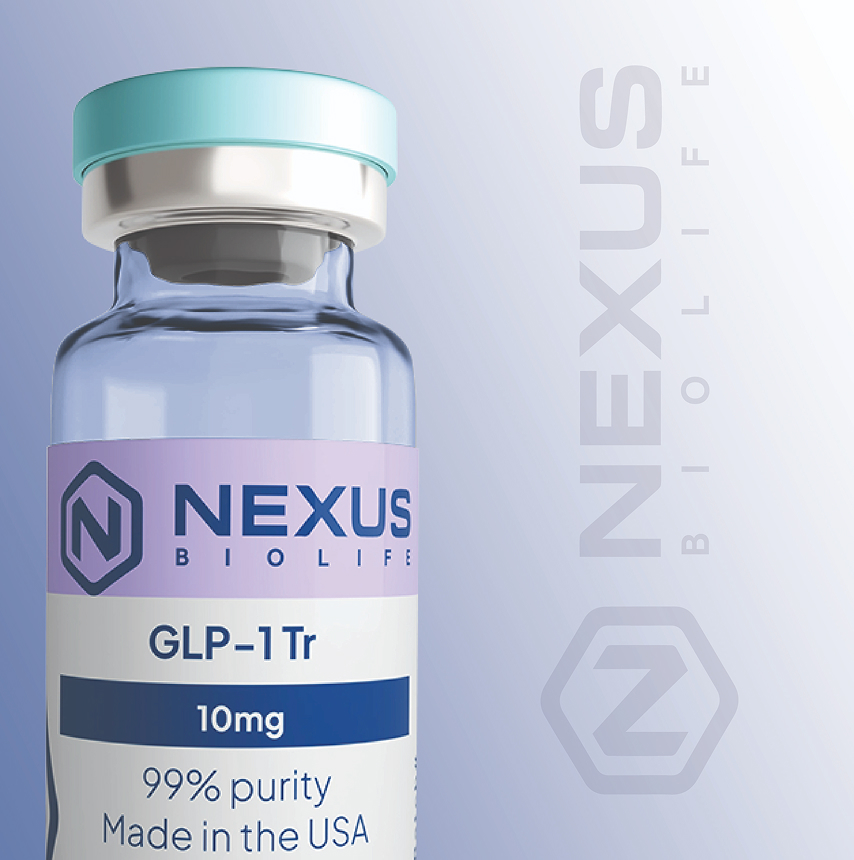
If someone chooses to explore next-level recovery peptides, medical supervision is critical. Quality matters more than hype. Reputable research suppliers provide third-party testing using methods such as HPLC and LC-MS to verify purity and concentration.
Transparency also matters. Ethical suppliers clearly state that products are not approved for human use and avoid medical claims. Anyone ignoring these safeguards puts their health at risk.
So why do next-level recovery peptides remain in research territory despite promising results? One reason involves patents and economics. Naturally occurring peptides cannot be patented easily, which reduces financial incentives for large pharmaceutical trials.
Nevertheless, interest continues to grow. Some clinicians and researchers have publicly discussed peptides from an observational standpoint, including figures such as Konstantin Malamov. These discussions help keep research moving forward, even without massive commercial backing.
It is also worth noting that many essential medicines today are peptides, including insulin and growth hormone. This history shows that peptides can become powerful therapeutic tools once research catches up with curiosity.
Next-level recovery peptides may represent an exciting frontier, but they should never replace foundational recovery practices. Sleep, nutrition, intelligent training volume, and stress management remain non-negotiable. Peptides, if ever validated for broader use, would serve as supplements to smart recovery, not shortcuts around it.
Staying informed protects both performance and health. Hype fades. Knowledge compounds.
Your next breakthrough comes from understanding your body, respecting science, and choosing recovery strategies wisely. Train hard. Recover smarter. Chase progress responsibly.
All human research MUST be overseen by a medical professional