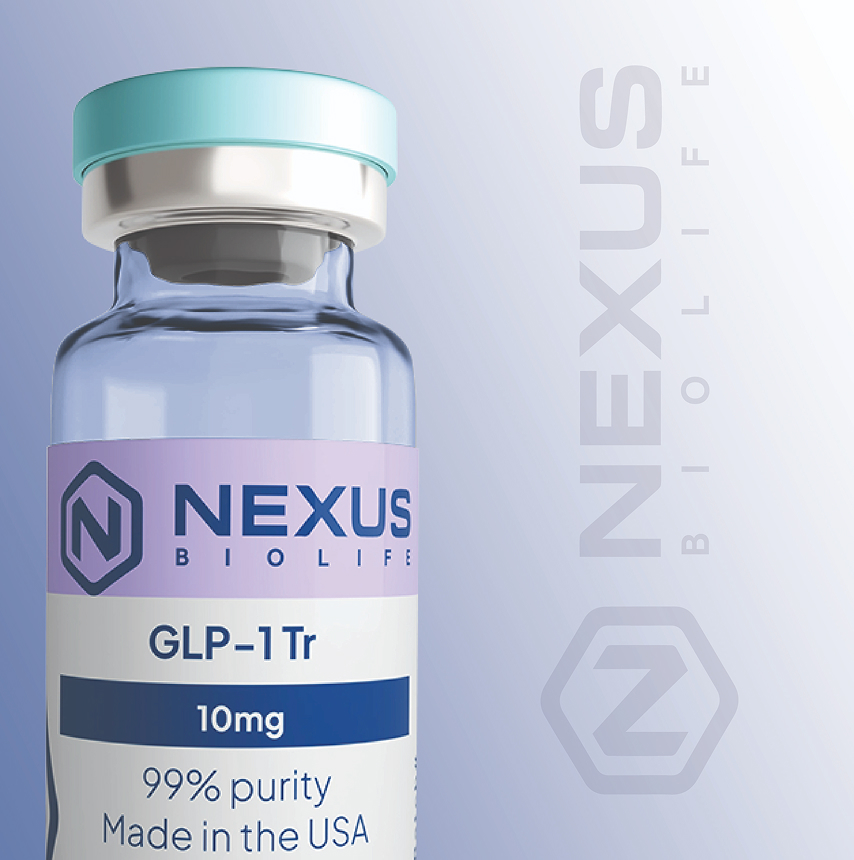

Navigating New Zealand peptide regulations is now essential for researchers, startups, and compliance teams working with synthetic peptides. A major regulatory shift has tightened how these compounds are classified, imported, marketed, and supplied.
The change reflects growing concern from Medsafe and New Zealand Customs about the rapid rise of unapproved peptides sold online and used without medical supervision. Understanding these rules is no longer optional. It is critical for risk management, legal compliance, and long term business planning.
New Zealand peptide regulations have evolved as peptide demand expanded beyond clinical research. Some peptides such as GLP 1 medications including Ozempic and Wegovy gained approval for specific medical conditions.
At the same time, a large online market began selling unapproved peptides for cosmetic and performance use. Many vendors labelled products as research chemicals. However, buyers often used them for therapeutic purposes.
In late 2025, regulatory authorities moved to close this gap. A growing number of peptide groups were proposed and classified as prescription medicines. This decision reflects concerns about public safety, unknown health effects, and rising import interceptions. The shift signals stronger enforcement and clearer expectations for the entire peptide ecosystem.
The Medicines Act 1981 sits at the center of New Zealand peptide regulations. The law gives Medsafe authority to classify, approve, and monitor medicines and medical devices. Historically, many peptides were not clearly listed as prescription medicines. This created ambiguity. Suppliers used the research use label to bypass oversight.
Recent classification decisions changed this situation. When a peptide becomes a prescription medicine, strict rules apply.
The Medicines Amendment Act 2025 also updated parts of the Medicines Act to modernise approval and prescribing pathways. These changes reflect the government’s effort to keep pace with biotechnology innovation.
This shift represents a major change in how peptides are treated legally. Businesses must now align their practices with the prescription medicine framework.
New Zealand Customs plays a critical role in enforcing peptide import laws. Importing prescription peptides without a valid New Zealand prescription is illegal. Individuals must show a prescription and meet import requirements. Otherwise, customs officers can seize and destroy shipments.

Authorities reported rising peptide interceptions at the border. This trend pushed regulators to strengthen oversight. As a result, the previous grey market supply chain now faces significant barriers.
The impact extends beyond individuals. Companies that rely on direct to consumer sales must rethink their distribution strategies. Compliance now requires documented supply chains, verified customers, and legal import procedures.
New Zealand peptide regulations also affect marketing and promotion. Advertising unapproved or prescription medicines is illegal. This rule applies to websites, influencers, and social media campaigns.
Many online platforms previously hosted peptide promotions promising performance or cosmetic benefits. Regulators now view this content as a public health risk. Authorities expect increased monitoring and enforcement in this area.
Companies must ensure marketing materials focus on research use or approved medical pathways. Failure to comply can lead to penalties and reputational damage.
The dangers of unverified peptides remain a central concern behind regulatory action. Buyers who purchase peptides from unknown sources face significant risks.
Drug checking services report rising interest in testing performance enhancing drugs. However, many services lack the technology to analyze complex peptides. This leaves users unsure about what they inject.
Researchers study peptides in controlled environments. These conditions differ greatly from uncontrolled self administration. This gap explains why regulators prioritize safety and oversight.
The World Anti Doping Agency adds another layer of regulation. WADA maintains a global list of banned substances that includes many peptides and growth factors.
Growth hormone releasing peptides such as GHRP 2 and GHRP 6 appear on the prohibited list. Athletes who use these substances risk serious consequences. Even accidental use can trigger anti doping violations.
Consequences include competition bans, loss of titles, and long term reputational damage. Therefore athletes must consider both national laws and international sports rules.
New Zealand peptide regulations signal a broader global trend toward tighter control. The era of easily accessible unregulated peptides is ending. Researchers and startups must adapt quickly.
Key strategic changes include:
Companies that embrace compliance can build trust and long term credibility. Those who rely on loopholes face increasing legal risk.
New Zealand peptide regulations highlight a shift from regulatory ambiguity to structured oversight. This transformation encourages responsible innovation while protecting public health.
The future of peptide development will depend on collaboration between regulators, researchers, and industry leaders. Businesses that invest in compliance today will gain a strong competitive advantage tomorrow.
Compliance is not only a legal obligation. It is a strategic decision that supports sustainable growth and credibility in a rapidly evolving market.
All human research must be overseen by a medical professional.
¹ New Zealand Government. (1981). Medicines Act 1981. Legislation.govt.nz. Retrieved from https://www.legislation.govt.nz/act/public/1981/0118/latest/DLM53797.html
² Medsafe. (n.d.). Guidance on the Regulation of Therapeutic Products. Retrieved from https://www.medsafe.govt.nz/regulatory/guidelines/therapeutic.asp (Note: Specific document about peptides not directly linked, but Medsafe is the authority for general therapeutic product regulation).
³ New Zealand Customs Service. (n.d.). Importing Medicines. Retrieved from https://www.customs.govt.nz/personal/travel-to-and-from-nz/whats-the-law/medicines/
⁴ World Anti-Doping Agency. (2024). The Prohibited List 2024. Retrieved from https://www.wada-ama.org/en/resources/prohibited-list