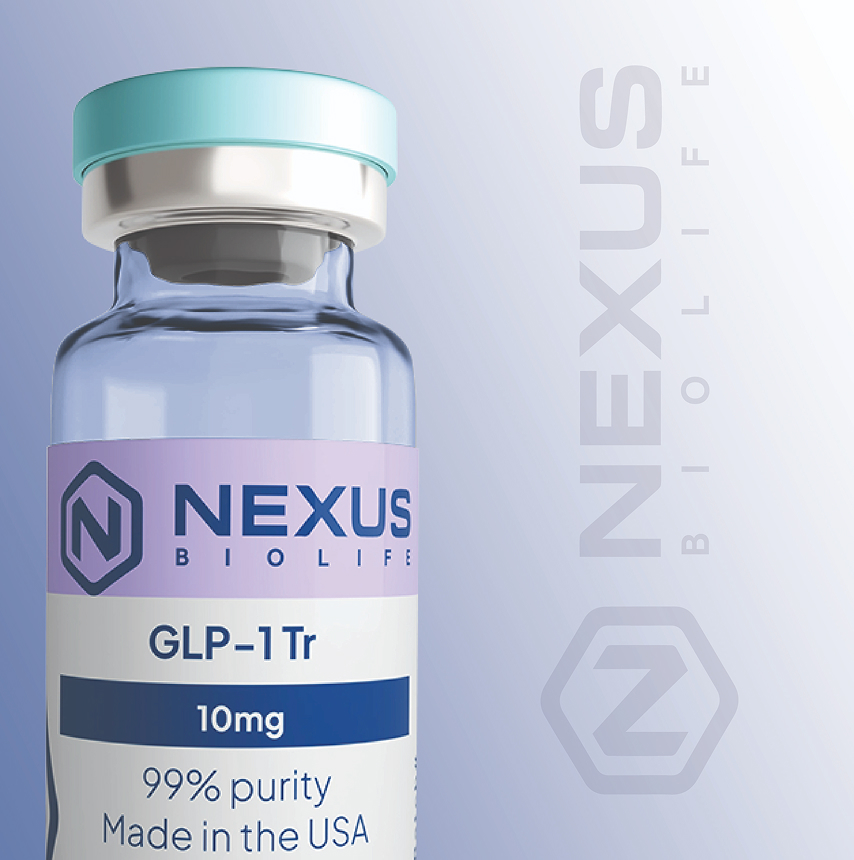

Untested peptide supply chains have become a growing concern for regulators, researchers, and biotech startups across Western markets. As peptide research expands, so does reliance on global suppliers that operate outside strict regulatory oversight.
This shift has created legal uncertainty, quality risks, and ethical challenges that can no longer be ignored. Understanding how untested peptide supply chains function and why regulators are increasing scrutiny is now essential for anyone working with peptide compounds.
Peptides play a critical role in modern biomedical research. However, when these compounds are produced and distributed without adequate testing or compliance controls, the consequences can be severe. From inaccurate research outcomes to potential enforcement actions, the risks associated with untested peptide supply chains affect the entire life sciences ecosystem.
Untested peptide supply chains often emerge due to gaps in how peptides are classified under existing regulatory frameworks. Depending on their intended use, peptides may fall under several categories, including drugs, research chemicals, or active pharmaceutical ingredients.
This classification ambiguity allows some suppliers to label peptides as “for research use only” while avoiding the regulatory standards applied to pharmaceutical products.
In the United States, the Food and Drug Administration considers a substance a drug if it is intended to diagnose, cure, mitigate, treat, or prevent disease, or if it affects the structure or function of the human body.
When peptides are marketed with implied therapeutic benefits, even indirectly, they can fall under drug regulations. However, many untested peptide supply chains rely on careful wording and disclaimers to bypass this scrutiny.
As a result, peptides may enter laboratories without verified purity, accurate labeling, or reliable documentation. This creates downstream risks for researchers and startups that unknowingly rely on compromised materials.

One of the biggest issues regulators face with untested peptide supply chains is inconsistent classification. A peptide sold as a research chemical today may later be treated as an unapproved drug if evidence suggests human use. This regulatory uncertainty places buyers at risk, especially when documentation is incomplete or misleading.
Regulatory agencies have already taken enforcement actions against companies selling peptides that were effectively positioned for human use without approval. These actions signal that disclaimers alone do not provide protection. If intent, marketing, or distribution patterns suggest misuse, regulators can intervene.
For biotech startups, this creates a compliance dilemma. Relying on untested peptide supply chains may seem cost-effective initially. However, regulatory exposure, seized shipments, or invalid research data can quickly outweigh short-term savings.
Good Manufacturing Practices, commonly referred to as GMP, are designed to ensure consistent quality, safety, and traceability. In regulated pharmaceutical environments, GMP compliance is mandatory. Unfortunately, many untested peptide supply chains operate entirely outside GMP oversight.
Without GMP controls, peptides may suffer from contamination, synthesis impurities, or inconsistent potency. Even small variations can significantly affect experimental outcomes. Over time, this undermines the reliability of published research and erodes trust in peptide-based studies.
From a compliance perspective, using peptides sourced outside GMP environments also weakens audit readiness. Regulatory inspections increasingly examine supply chain transparency, not just internal lab practices.
Untested peptide supply chains introduce several measurable risks. First, contamination remains a major concern. Non-sterile manufacturing environments increase the likelihood of microbial or chemical contaminants. Second, impurities from incomplete synthesis can alter biological activity, leading to misleading results.
Third, mislabeling is common in untested peptide supply chains. Concentration levels may not match specifications, or the peptide sequence itself may differ. Finally, lack of batch consistency makes reproducibility difficult, which directly impacts scientific credibility.
For researchers, these risks can invalidate months of work. For startups, they can jeopardize investor confidence and regulatory standing.
Untested peptide supply chains also face increasing pressure at international borders. Customs authorities are responsible for preventing the import of misbranded or unapproved substances. However, the volume of global shipments makes enforcement challenging.
Peptides labeled as research materials often pass through customs without immediate scrutiny. This creates a grey market environment where untested peptide supply chains coexist with compliant manufacturers. While this may seem convenient, it increases long-term risk.
Import alerts, shipment holds, and product seizures are becoming more common as regulators strengthen collaboration across agencies. Companies relying on unverified suppliers may face sudden disruptions with little warning.
Over time, untested peptide supply chains erode confidence in the broader peptide market. Reports of contamination or fraudulent labeling cast doubt on legitimate suppliers and slow industry progress. Investors and partners become more cautious, increasing due diligence requirements.
At the same time, regulators respond by tightening oversight. This often results in broader rules that affect compliant organizations as well. In effect, the actions of unregulated suppliers create friction for the entire industry.
However, this environment also creates an opportunity. Companies that prioritize transparency, documentation, and compliant sourcing can differentiate themselves. As scrutiny increases, trust becomes a competitive advantage.
To reduce exposure, organizations should conduct thorough supplier evaluations. This includes verifying manufacturing standards, requesting third-party testing reports, and understanding regulatory classifications. Internal compliance teams should also stay informed about evolving enforcement trends.
In addition, documenting sourcing decisions and maintaining clear records can provide protection during audits or inspections. When possible, working with suppliers that follow GMP or equivalent standards reduces long-term risk.
Ultimately, avoiding untested peptide supply chains is not just about regulatory compliance. It is about protecting research integrity, safeguarding reputation, and ensuring sustainable growth.
Untested peptide supply chains represent a critical challenge at the intersection of science, regulation, and ethics. While cost and accessibility may drive demand, the hidden risks are significant. As regulatory scrutiny increases, organizations that invest in quality and compliance will be better positioned for long-term success.
Compliance is no longer optional. In the evolving peptide landscape, it is a strategic necessity.
All human research MUST be overseen by a medical professional.