Alright, settle in, fellow peptide fanatics! Today, we’re totally geeking out on something that sounds like it popped straight out of a sci-fi flick: a molecule called LL-37. You know how sometimes you find a tiny, unassuming gadget that, turns out, does everything?
Like a Swiss Army knife, but for your cells? Yeah, that’s LL-37. Most folks (even some science-y types!) think of it as just a germ-killer, a cellular bouncer kicking out unwanted bacteria. And sure, it does that, like a total boss. But, hold onto your lab coats, because this little protein is actually a multi-talented superstar with a whole wardrobe of jobs!
Imagine you’ve got this super small, super cool peptide, LL-37, floating around in your body. It’s like a microscopic superhero, ready to leap into action. For a long time, we thought its main superpower was just punching holes in bacteria, kind of like a tiny, biological wrecking ball against invaders. But guess what? We were barely scratching the surface!
It turns out this tiny titan, part of a family called “cathelicidins,” is involved in a whole bunch of other super important tasks that keep us healthy.
We’re talking about tweaking our immune system (like a DJ mixing tracks!), chatting with our DNA and RNA, stopping nasty germ communities from forming (bye-bye, sticky biofilms!), and even tackling those weird protein clumps linked to some seriously tough brain issues. It’s like finding out your favorite one-hit-wonder band actually has a dozen platinum albums you never knew about!
Ready to dive into the nitty-gritty? Let’s dig deeper into this wild ride…
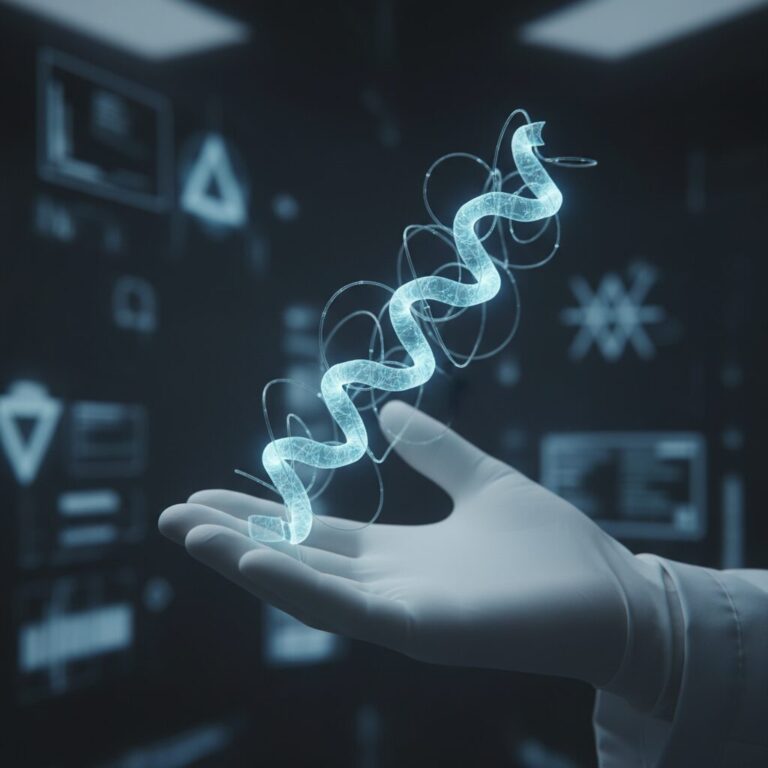
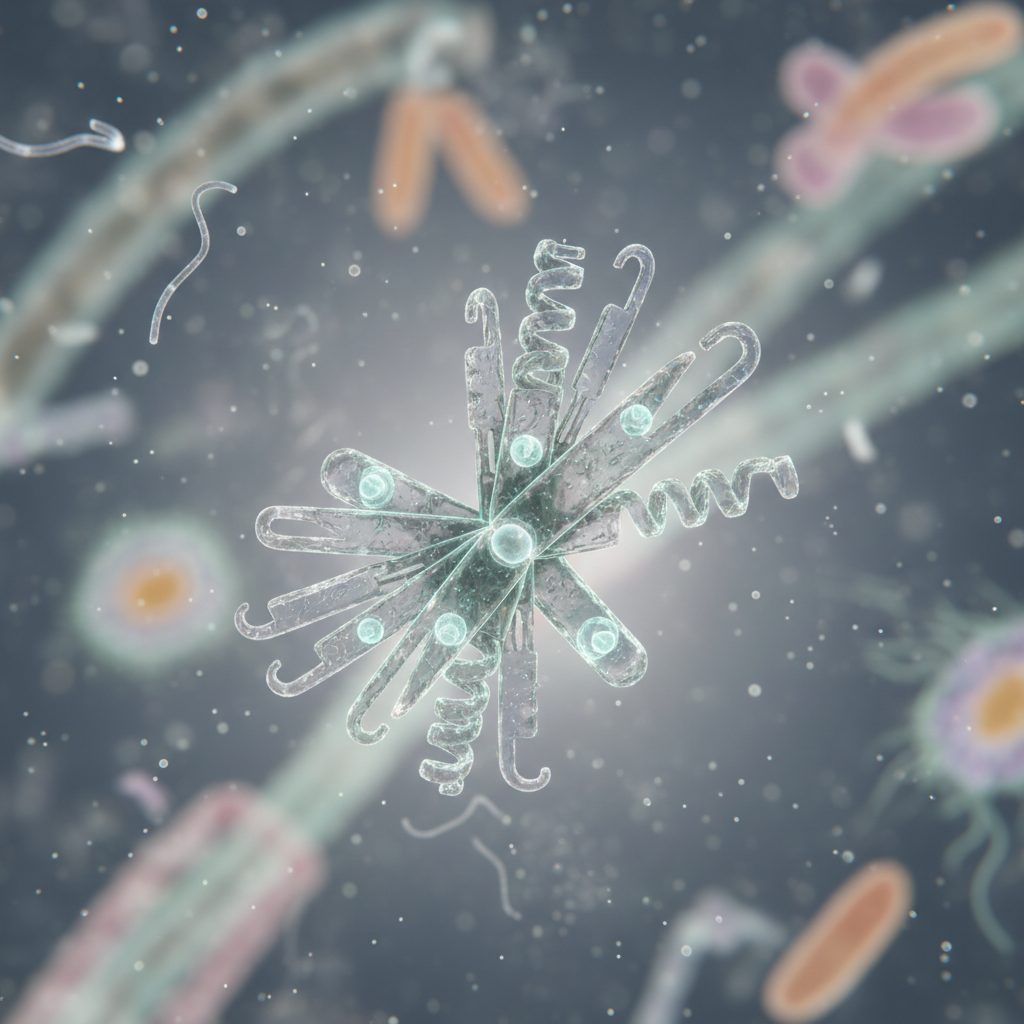
Okay, first things first. What is LL-37? Picture a string of 37 amino acids, which are the tiny building blocks of proteins. This particular string forms a peptide, a small protein fragment, that’s part of a bigger group called cathelicidins.
These aren’t some exotic creature from a hidden jungle; cathelicidins are super common in many animals, including us humans. They’re like ancient, evolved defenders our bodies have had for eons. Our skin, lungs, and even our white blood cells (the immune system’s frontline soldiers) are just buzzing with these guys.
When trouble brews, like a bacterial invasion, our cells crank out LL-37 to get the job done. It’s truly our body’s in-house defense system, always on standby.

So, we know LL-37 can be a germ warrior, but that’s just the opening act. One of its most mind-blowing roles is something called immunomodulation. If “immunomodulation” sounds like a fancy science word, just think of it as LL-37 being the ultimate DJ at your body’s immune party. It doesn’t just blast music; it changes the tempo, adjusts the volume, and even switches genres depending on what’s needed.
Sometimes, it ramps up the immune response, telling other immune cells to get aggressive and clear out pathogens or even help wounds heal faster¹. Think of it as hitting the “hyped-up dance track” button. Other times, though, it actually calms the immune system down.
This is super important because sometimes our immune system gets a little too excited and starts attacking our own healthy cells – that’s what happens in autoimmune diseases. LL-37 can step in and hit the “chill-out lounge music” button, helping to prevent or reduce inflammation and damage.
This dual action, both boosting and calming, makes LL-37 a seriously versatile player in our body’s defense league. It’s like a tiny conductor for the entire immune orchestra, ensuring harmony and precision.
Now, this next part is where LL-37 gets really intriguing, almost like it’s fluent in the secret language of life itself. We’re talking about its ability to interact with nucleic acids. If you remember your basic biology (or watched enough sci-fi movies), you’ll know that nucleic acids are DNA and RNA the blueprints and messengers that tell our cells what to do. LL-37 has been found to bind to these essential molecules².
Why is this a big deal? Well, for starters, it can impact how our immune system responds to viruses. When viruses invade, they often leave behind their nucleic acid bits, which can trigger strong immune responses.
LL-37 can swoop in and kind of ‘hide’ these viral signals, preventing an over-the-top immune reaction that might actually harm our own tissues. It’s like a tiny bouncer making sure sensitive information doesn’t fall into the wrong hands, or perhaps more accurately, preventing the body from panicking over a perceived threat.
But wait, there’s more! This interaction with nucleic acids also has implications for autoimmune conditions like lupus. In lupus, the body mistakenly identifies its own nucleic acids as invaders. LL-37’s ability to bind to these “self” nucleic acids might help prevent them from causing an inflammatory ruckus, potentially offering new avenues for therapeutic strategies. It’s a complex tango, but LL-37 is clearly a key dancer.
Ever notice how gunk can build up in your shower drain, forming a slimy, impossible-to-remove mess? That’s kind of like a biofilm, but with bacteria. These germ communities are notoriously tough to get rid of, especially when they form on medical implants or in chronic infections.
They act like a protective fortress for bacteria, making them resistant to antibiotics and our immune system.
Enter LL-37, the anti-biofilm crusader! This peptide has shown a remarkable ability to both prevent biofilms from forming and, even cooler, break down existing ones³. It’s like LL-37 rolls up its sleeves, grabs a microscopic crowbar, and starts dismantling the bacterial fortress brick by tiny brick.
It does this by messing with the bacteria’s ability to stick together and produce the slimy stuff that holds the biofilm intact. This is huge because biofilms are a major headache in healthcare, causing persistent infections that are incredibly hard to treat. Imagine if LL-37 could make those infections a thing of the past!
Alright, here’s where LL-37 gets into some seriously heavy science, but I promise we’ll keep it fun. Let’s talk about amyloid. Not a typo, not a superhero’s kryptonite, but certain proteins that, when they misfold and clump together, can form sticky, insoluble fibers called amyloid plaques.
These plaques are bad news, heavily linked to neurodegenerative diseases like Alzheimer’s and Parkinson’s. They essentially gum up the works in our brains, causing cells to malfunction and die.
Guess what our tiny peptide pal LL-37 might be doing here? Yep, it appears to have a role in interacting with these troublesome amyloid proteins. Research suggests that LL-37 can actually prevent these misfolded proteins from clumping together in the first place, or even help break apart existing amyloid structures⁴.
It’s like LL-37 is a microscopic tidying-up crew, stopping the mess before it starts and cleaning up existing clutter. The exact mechanisms are still under intense investigation it’s a seriously complex puzzle but the potential implications for treating devastating diseases are absolutely enormous.
Think about it: a natural peptide in our body potentially fighting off one of the biggest brain challenges we face. How wild is that?!
So, we’ve gone from “germ killer” to “immune system DJ,” “nucleic acid whisperer,” “biofilm buster,” and “amyloid assassin.” Not too shabby for a little 37-amino-acid peptide, right? The multifaceted roles of LL-37 are truly astounding and open up a galaxy of possibilities for new treatments.
We’re talking about potential new ways to fight stubborn infections, calm overactive immune responses in autoimmune diseases, develop novel antiviral therapies, and even, dare I say, get a handle on neurodegenerative conditions.
Of course, this is all happening in the fascinating, sometimes chaotic, world of research. There’s still tons to learn. But LL-37 reminds us that our own bodies are packed with these tiny, elegant solutions, just waiting for us to uncover their full potential. It’s an exciting time to be a peptide hunter, that’s for sure!
Regulatory and Medical Disclaimer: This article does not constitute medical advice. Information regarding peptides is for research and educational purposes only. Peptides are often sold as research chemicals and are not regulated as dietary supplements or medications for human use unless explicitly prescribed by a medical doctor. All research or potential human application of peptides requires strict oversight by a licensed medical professional.