The global burden of dementia is rising rapidly. Scientists are now repurposing diabetes drugs to help. Recent studies suggest Liraglutide Alzheimer’s applications could be a major strategic move for neuroprotection.
This drug was originally made for blood sugar. However, researchers found a link between insulin and brain health. Using Liraglutide Alzheimer’s therapy may help protect neurons from metabolic damage.
Medical experts often call dementia “Type 3 diabetes.” This is because the brain struggles to use energy. Applying a Liraglutide Alzheimer’s approach aims to fix this specific energy crisis in the brain.
The ELAD clinical trial tested over 200 patients. These patients did not have diabetes. The researchers wanted to see if Liraglutide Alzheimer’s treatment could stop memory loss over one year.
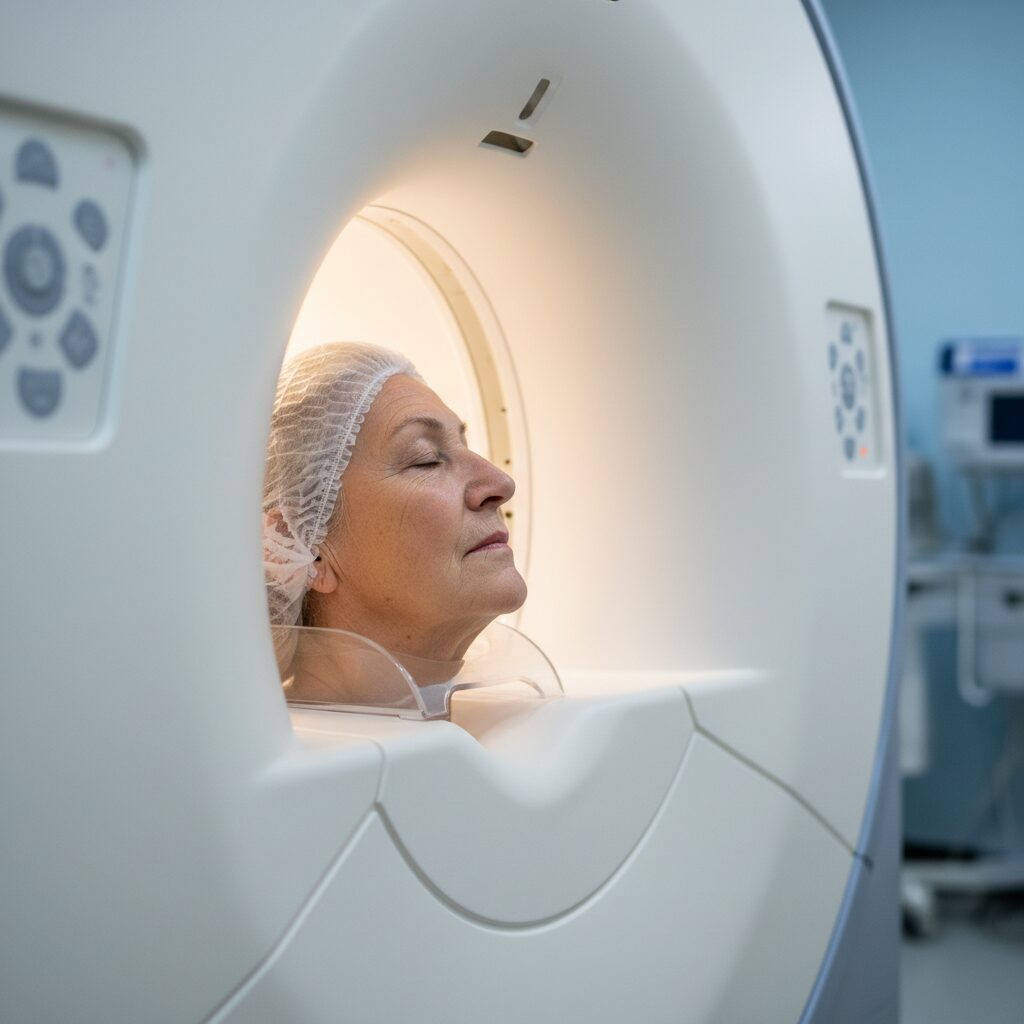
The primary goal for glucose metabolism was not met. But the secondary results were very exciting. Patients using the Liraglutide Alzheimer’s regimen showed much slower brain shrinkage on MRI scans.
This GLP-1 analog works by mimicking natural hormones. It enters the brain to reduce harmful inflammation. Many believe Liraglutide Alzheimer’s protocols stop the buildup of toxic proteins like amyloid and tau.
Furthermore, the drug helps with synaptic plasticity. This means it helps brain cells talk to each other. A Liraglutide Alzheimer’s treatment might act as a shield for aging neural networks.
Primary Outcome: Cerebral Glucose Metabolism
The trial’s primary endpoint, a change in cerebral glucose metabolic rate as measured by FDG-PET, did not yield statistically significant differences between the treatment and placebo groups (adjusted difference = -0.17; 95% CI: -0.39 to 0.06; P = 0.14)¹.
This finding, while not meeting the primary objective, prompts further mechanistic inquiry into the precise temporal and dose-dependent effects of GLP-1 agonists on brain glucose utilization in AD. It’s a reminder that brain metabolism in AD is incredibly complex, and a single metric might not capture the full picture of therapeutic benefit.
Secondary & Exploratory Outcomes: Glimmers of Cognitive and Structural Protection
Secondary results for Liraglutide Alzheimer’s showed significant cognitive benefits. Specifically, the ADAS-Exec scores improved, indicating a slower decline in executive function. While some measures like ADCS-ADL remained unchanged, the cognitive signals were clear.
Most impressively, MRI scans revealed that Liraglutide Alzheimer’s therapy significantly reduced brain volume loss. This included better preservation of the temporal lobe and total gray matter. These structural findings suggest that the drug provides genuine neuroprotection for the brain.
Mechanism of Action: A Multi-Front Battle Against AD Pathology
Liraglutide (molecular weight 3751.2 Da, half-life approximately 13 hours¹), functions as a GLP-1 receptor agonist, mimicking the action of the endogenous incretin hormone GLP-1.
While its primary role in diabetes involves stimulating glucose-dependent insulin secretion, suppressing glucagon release, and delaying gastric emptying, its mechanism of action in AD is thought to be multi-faceted and directly neuroprotective.
Liraglutide has shown sufficient brain penetration to activate GLP-1 receptors in cortical and hypothalamic neurons¹.

The proposed neuroprotective mechanisms in AD include:
Doctors already know the safety profile of this medication. Most patients handle the injections well. Common side effects for Liraglutide Alzheimer’s users include mild nausea or temporary stomach upset.
Interestingly, the placebo group had more serious issues. This suggests the Liraglutide Alzheimer’s group stayed healthier overall. Long-term use appears safe for most elderly patients with cognitive decline.
The medical community needs more Phase 3 trials now. We must confirm these brain volume findings. If successful, Liraglutide Alzheimer’s care could become a standard part of geriatric medicine.
New oral versions of these drugs are also coming. This would make Liraglutide Alzheimer’s therapy much easier for patients to take. It represents a hopeful new chapter in the fight against memory loss.
Stay ahead of the clinical curve—the next great peptide is already in Phase 2. 💊
References
All human research MUST be overseen by a medical professional.