The pharmaceutical landscape is shifting as Lead-212 radioligand therapy gains attention in oncology. Gastrointestinal cancers remain among the leading causes of cancer mortality worldwide, especially in advanced stages where treatment options are limited.
Because of this urgent need, the collaboration between AdvanCell and 48Hour Discovery marks an important step toward new precision therapies for patients with difficult GI cancers.
Historically, GI tumors have challenged clinicians due to aggressive biology, complex anatomy, and resistance to conventional therapies. As a result, researchers have focused on highly targeted approaches that deliver treatment directly to cancer cells while limiting damage to healthy tissue. This is where Lead-212 radioligand therapy enters the conversation as a promising strategy.
Lead-212 radioligand therapy uses a radioactive isotope that emits alpha particles. These particles release high energy over a very short distance. This allows doctors to target tumor cells precisely while reducing harm to nearby healthy cells. The high linear energy transfer radiation produced by Lead-212 causes double strand DNA breaks, which can destroy cancer cells effectively.
Targeted alpha therapies differ from traditional radiation in important ways. External beam radiation passes through normal tissue before reaching tumors. Chemotherapy travels throughout the body and affects healthy cells. In contrast, radioligand therapy attaches a radioactive isotope to a targeting molecule that binds to cancer cells. This approach turns radiation into a precision guided therapy.
Because of these advantages, Lead-212 radioligand therapy has attracted significant interest in the radiopharmaceutical field. Researchers see it as a potential solution for tumors that resist other treatments or grow in hard to reach locations.

GI cancers include pancreatic, colorectal, gastric, liver, and neuroendocrine tumors. Many of these cancers show poor survival rates when diagnosed late. Tumors in the digestive system can be dense and difficult for large biologic drugs to penetrate. Consequently, scientists are exploring smaller targeting molecules that can reach tumors more easily.
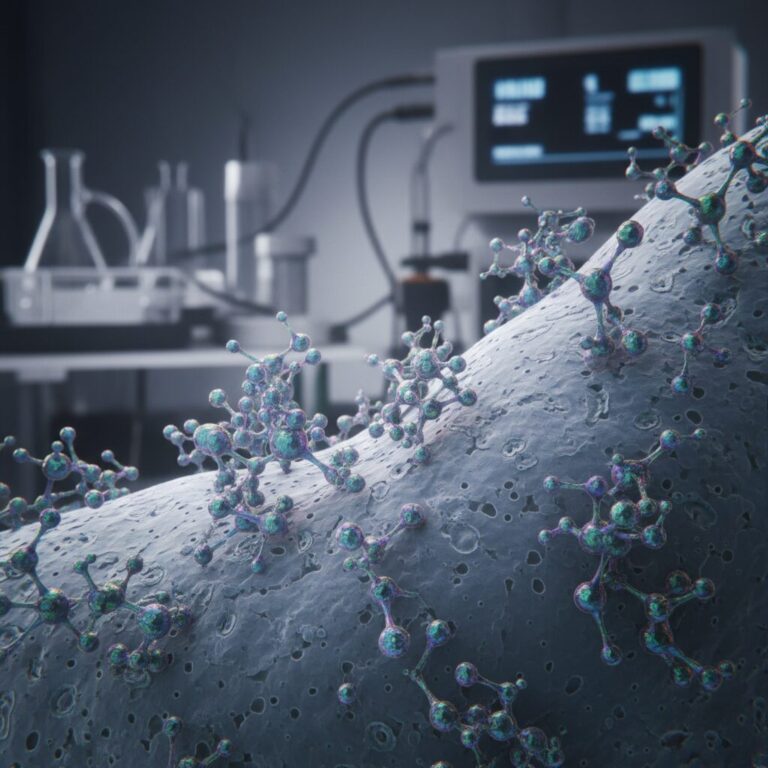
Peptides represent one of the most promising targeting tools. They are smaller than antibodies, which allows them to penetrate tissue more effectively. They also clear from the bloodstream faster, which improves tumor to background contrast during treatment. These properties make peptides ideal partners for Lead-212 radioligand therapy.
The AdvanCell and 48Hour Discovery collaboration focuses on creating peptide based radiotherapeutics designed for GI cancers with high unmet medical need. This partnership combines peptide discovery expertise with radiopharmaceutical development infrastructure.
This collaboration brings together two specialized companies. AdvanCell is an Australian clinical stage radiopharmaceutical company with expertise in Lead-212 development. 48Hour Discovery is a Canadian biotechnology company known for rapid peptide discovery and optimization.
The goal of the partnership is to discover and develop a peptide that binds to a specific GI cancer target. Once researchers identify the peptide, AdvanCell attaches the Lead-212 isotope to create a therapeutic radioligand.
48Hour Discovery uses a platform that identifies chemically modified peptides. These modifications improve stability, enhance target binding, and optimize pharmacokinetics. As a result, the peptides remain active long enough to reach tumors and deliver radiation efficiently.
AdvanCell then applies its integrated Lead-212 platform, which includes isotope supply, radiochemistry, and manufacturing capabilities. This integration helps accelerate development and reduces traditional bottlenecks in radiopharmaceutical production.
Peptides offer several benefits compared to larger antibody therapies. First, their smaller size allows better penetration into dense tumor tissue. Second, peptides can bind to targets that antibodies cannot easily access. Third, they clear from non target tissues faster, which reduces radiation exposure to healthy organs.
These advantages make peptide radioligands especially attractive for GI cancers. Tumors in the digestive system often exist in complex environments with limited blood supply. Smaller molecules can navigate these environments more effectively.
Furthermore, rapid clearance improves safety and imaging quality. A higher tumor to background ratio helps doctors monitor therapy response and optimize dosing strategies.
AdvanCell already has a lead program called ADVC001, also known as TheraPb. This therapy targets prostate specific membrane antigen in metastatic castration resistant prostate cancer.
The program has completed Phase 1b dose escalation studies and has shown an encouraging safety profile with early signals of anti tumor activity. The company has also presented Phase 2 expansion study plans at the ASCO Genitourinary Cancers Symposium in 2026.
This progress provides important validation for the Lead-212 platform. It demonstrates that the technology can move from discovery to clinical testing successfully. Therefore, expanding the platform to GI cancers represents a logical next step.
The broader radiopharmaceutical field is also gaining regulatory support. A Lead-212 therapy called AlphaMedix received Breakthrough Therapy Designation from the FDA for gastroenteropancreatic neuroendocrine tumors. This milestone suggests growing regulatory confidence in targeted alpha therapies.
Radiopharmaceutical development requires more than a strong molecule. Companies must secure isotope supply, build radiochemistry infrastructure, and establish manufacturing processes. Historically, these requirements slowed progress in the field.
AdvanCell has designed a modular Lead-212 platform to address these challenges. The platform integrates isotope production, radiochemistry, and clinical manufacturing. This structure allows multiple programs to advance in parallel.
The company has stated that the collaboration aims to move a new GI cancer program into the clinic by 2027. This timeline reflects confidence in the platform and highlights the efficiency of combining peptide discovery with radiopharmaceutical expertise.
The collaboration represents more than a single therapy. It reflects a shift toward platform driven drug development in radiopharmaceuticals. Instead of focusing on one asset at a time, companies can build pipelines of radioligands targeting different cancers.
This approach could accelerate innovation across oncology. Once researchers validate the platform, they can apply it to new targets more quickly. As a result, multiple therapies may reach clinical trials faster than traditional drug development timelines.
Lead-212 radioligand therapy may also help overcome resistance to existing treatments. Tumors that resist chemotherapy or external radiation may still respond to targeted alpha therapy. This potential makes the technology especially promising for advanced cancers.
Precision medicine continues to transform oncology. Doctors increasingly rely on targeted therapies that match the biology of each tumor. Radioligand therapy fits naturally into this trend because it combines diagnostics and treatment in a single approach.
Patients benefit from therapies that deliver radiation directly to cancer cells. Clinicians benefit from imaging tools that track treatment response. Researchers benefit from a platform that supports rapid development of new therapies.
The AdvanCell and 48Hour Discovery partnership illustrates how collaboration drives progress. By combining peptide discovery with Lead-212 expertise, the companies aim to create new treatment options for patients with limited choices.
Lead-212 radioligand therapy is emerging as a powerful tool in precision oncology. The collaboration between AdvanCell and 48Hour Discovery highlights how peptide targeting and alpha radiation can work together to address difficult GI cancers. With clinical momentum, regulatory support, and platform based development, the field is moving quickly toward new therapeutic possibilities. As research continues, targeted radiopharmaceuticals may play a major role in improving outcomes for patients facing advanced gastrointestinal cancers.
All human research MUST be overseen by a medical professional.