
Have you ever wondered why certain cravings feel almost impossible to ignore? One day you are fine, and the next day sweet or salty foods seem to call your name. This is not just about willpower or habit. The answer often lies in the gut brain taste axis, a powerful communication network that connects your gut, your brain, and your taste buds.
From the very first bite, your body is gathering information, sending signals, and shaping how food tastes and how satisfied you feel afterward.
Understanding the gut brain taste axis helps explain why cravings feel so real and why metabolic health is closely tied to taste perception. More importantly, it replaces guilt and confusion with clarity. Once you see how the system works, food choices start to make a lot more sense.
The gut brain taste axis refers to the constant two-way communication between your digestive system, your brain, and your taste receptors. This process begins in your mouth, continues through your gut, and loops back to your brain in real time.
When food hits your tongue, taste receptors detect sweetness, saltiness, bitterness, sourness, and umami. At the same time, as food moves into the gut, specialized cells called enteroendocrine cells analyze nutrients like sugar, fat, and protein. These cells release hormones that send messages through the bloodstream and nervous system.
As a result, taste is not just a surface-level experience. Instead, it is deeply connected to digestion, appetite, and metabolism. According to research summarized by the National Institutes of Health, this gut-to-brain signaling plays a central role in hunger, satiety, and food preference.

Cravings often feel emotional, but they usually start as biological signals. Through the gut brain taste axis, your body communicates what it needs or what it thinks it needs.
For example, after eating carbohydrate-rich foods, your gut releases hormones that signal energy availability. In contrast, when blood sugar drops, signals can increase the desire for sweet tastes. This is why cravings tend to feel urgent and specific.
Importantly, this means cravings are not imaginary. They are physical messages shaped by hormones, nerve signals, and past experiences. Understanding this connection can help reduce self-blame and promote more mindful eating.
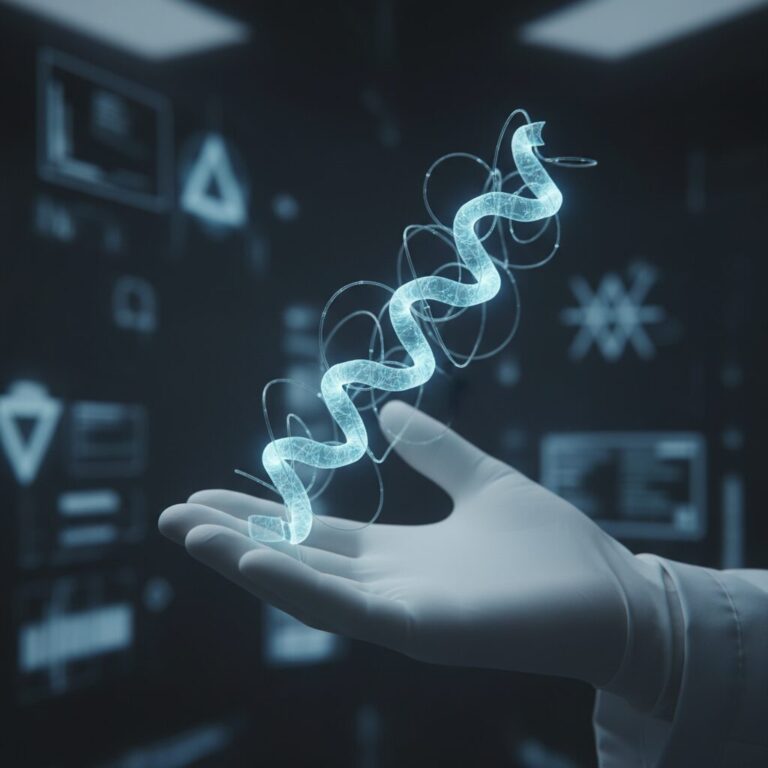
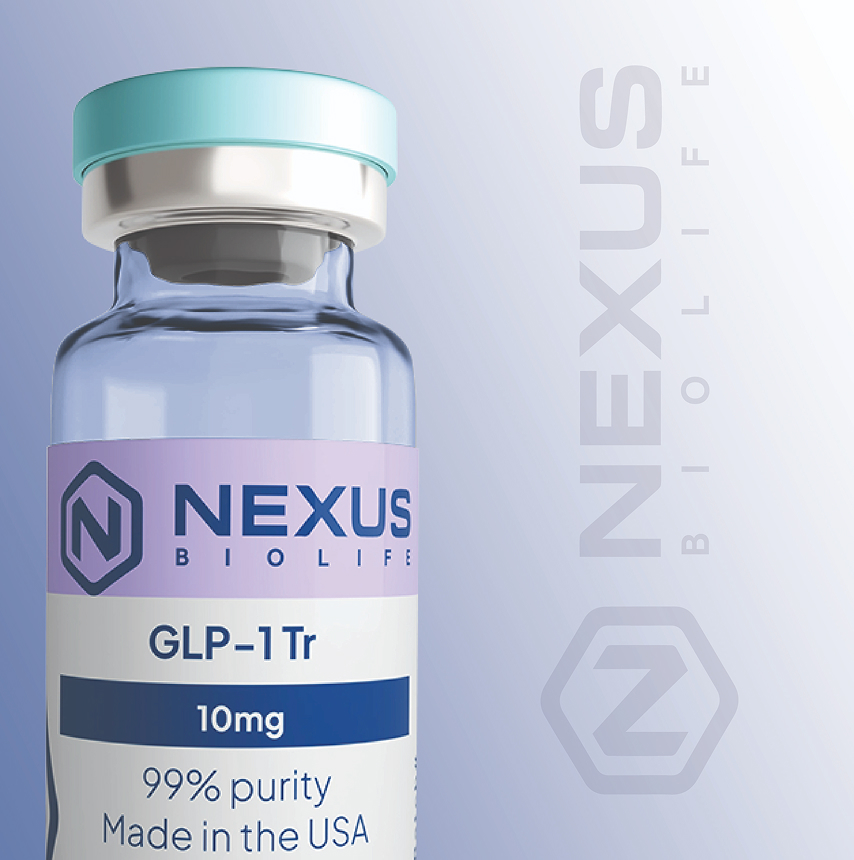
One hormone that plays a major role in the gut brain taste axis is GLP-1, or glucagon-like peptide-1. GLP-1 is best known for its role in blood sugar regulation and appetite control. After you eat, GLP-1 helps stimulate insulin release, slows stomach emptying, and signals fullness to the brain.
However, research published in journals like Frontiers in Endocrinology suggests GLP-1 may also influence taste perception itself. Some studies indicate that GLP-1 receptors are present in taste cells, meaning this hormone may directly affect how strongly you perceive sweetness and other flavors.
Because of this, the gut brain taste axis does not just control how much you eat. It may also influence how food tastes and how rewarding it feels.
A common myth is that taste buds are fixed and unchangeable. In reality, taste receptors constantly renew themselves, and their sensitivity can shift over time. The gut brain taste axis plays a key role in this process.
Hormonal changes, dietary patterns, and metabolic health can all influence taste sensitivity. For example, individuals with obesity or type 2 diabetes often show reduced sensitivity to sweetness. This can lead to a preference for more intense flavors, especially sugar and fat.
According to research summarized by the American Diabetes Association, altered taste perception can make healthy eating more difficult, even when motivation is high. This highlights how deeply biology influences behavior.
When the gut brain taste axis is functioning well, it helps balance appetite, satisfaction, and metabolic health. However, disruptions can occur, especially in metabolic conditions.
Hormonal resistance is one example. Hormones like leptin and GLP-1 may be present but less effective at signaling fullness or satisfaction. As a result, people may eat more while enjoying food less.
This creates a frustrating cycle. Cravings increase, satisfaction decreases, and managing weight or blood sugar becomes harder. Importantly, this is not a failure of discipline. It is a signal that the internal communication system needs support.
Learning about the gut brain taste axis can be empowering. While this article does not provide medical advice, understanding the system helps explain why metabolic health is about more than calories or willpower.
Supporting gut health, stabilizing blood sugar, and choosing nutrient-dense foods all help maintain healthier signaling between the gut, brain, and taste buds. Over time, this may lead to improved taste sensitivity and more balanced cravings.
For readers interested in related topics, you may also explore internal resources on metabolic health basics and how taste perception works, which further explain how food choices and biology interact.
The biggest takeaway from the gut brain taste axis is simple but powerful. Your body is constantly communicating with itself, and cravings are part of that conversation.
Instead of fighting your body, understanding these signals allows you to work with it. Taste, metabolism, and hormones are deeply interconnected. When you respect that connection, food decisions become less stressful and more informed.
Knowledge is not about control. It is about clarity. And clarity is often the first step toward lasting change.
Understanding your body is the first step to changing it. Let’s keep learning together.
All human research MUST be overseen by a medical professional.