Pharmaceutical

Home » Pharmaceutical » Page 10
Pharmaceutical

Revolutionizing Antimicrobial Peptide Discovery: Assessing the Clinical Viability Impact of CG-AMP

Sonia Rao
December 1, 2025

Antibiotic resistance continues to grow at a pace that outmatches current drug development methods. Researchers estimate that resistant infections may cause up to 10 million deaths per year by 2050 if new therapeutics do not emerge. The race is not just urgent. It is personal for every clinician, researcher, and policymaker working to prevent a post-antibiotic era. One promising direction is CG-AMP antimicrobial peptide discovery.

Antimicrobial peptides, or AMPs, have become a strong candidate class because they show broad activity against bacteria, fungi, and viruses. They often damage pathogens through membrane disruption, which reduces the likelihood of resistance compared to traditional antibiotics.

However, identifying and optimizing AMPs takes time, funding, and extensive laboratory screening. That is why advanced computational frameworks such as CG-AMP are beginning to reshape the landscape. These tools accelerate discovery and help researchers evaluate which peptides are most likely to succeed in preclinical and clinical testing.

Accelerated AMP Preclinical Discovery

Why CG-AMP Antimicrobial Peptide Discovery Matters Right Now

Traditional AMP discovery methods rely on wet lab screening. This process is slow, expensive, and inefficient when facing fast-evolving pathogens. AMPs vary in structure, length, charge, and stability. Without predictive tools, researchers sort through thousands of sequences before finding promising candidates.

CG-AMP antimicrobial peptide discovery helps solve this bottleneck. Instead of screening every peptide manually, CG-AMP predicts which candidates have the highest chance of antimicrobial activity and safety. This approach brings machine learning into early drug discovery and gives researchers a head start before laboratory validation begins.

Transitioning from random search to intelligent prioritization is not just innovative. It is necessary to keep pace with superbugs and reduce early-stage drug failure.

How CG-AMP Works

CG-AMP is a deep learning framework built to analyze peptide sequences at scale. The model has two key modules. Each supports antimicrobial prediction from a different perspective.

Module 1: Language Model and Contrastive Learning

Protein and peptide sequences behave like structured language. Each amino acid represents a token and each pattern contributes meaning. CG-AMP uses a pre-trained language model to understand this structure. It learns the biological grammar behind effective antimicrobial peptides.

Contrastive learning improves this process by teaching the model to distinguish between real AMPs and non-effective peptides. This helps the system focus on meaningful patterns rather than memorizing training examples.

Module 2: Enhanced Convolutional Neural Network

The second module uses an enhanced convolutional neural network to find detailed sequence patterns. CNNs are known for recognizing spatial signals in images. In this context, CNNs detect biochemical motifs, charge patterns, and structural elements essential for AMP function.

By combining both modules, CG-AMP creates a strong feature representation. The system analyzes peptides from multiple angles and produces prediction outputs that are more accurate than earlier models.

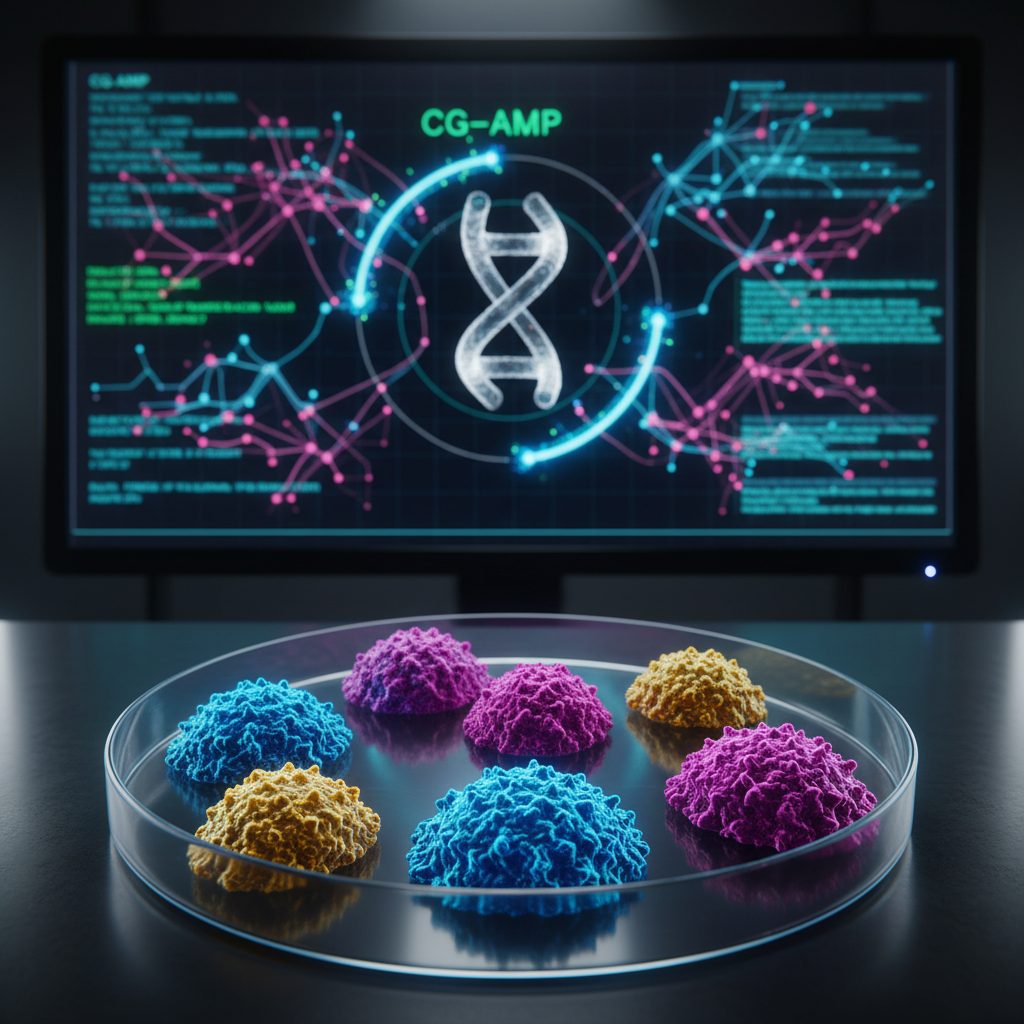
CG-AMP Deep Learning Workstation

Measured Performance of CG-AMP

CG-AMP was evaluated using two benchmark test sets. The results demonstrate high accuracy and consistency:

DatasetAccuracyF1 ScoreMCC
AMPlify Test Set0.94970.95080.8994
DAMP Test Set0.94030.93920.8812

A high Matthew’s Correlation Coefficient signals balanced predictions for both positive and negative samples. This reduces costly experimental false positives.

These results place CG-AMP among the strongest computational screening tools available for AMP identification.

Clinical Relevance of CG-AMP Antimicrobial Peptide Discovery

CG-AMP itself is not a therapeutic agent. Instead, it supports the drug discovery process by improving the efficiency of selection and optimization. Early drug development is the most expensive and uncertain phase. Many candidates fail because they lack potency, stability, or safety.

Using CG-AMP antimicrobial peptide discovery can:

  • Reduce the number of unnecessary experiments
  • Prioritize high-potential peptide families
  • Support mechanistic research
  • Help identify peptides active against resistant pathogens
  • Shorten the time between concept and preclinical trials

This efficiency is valuable because regulators such as the FDA and EMA increasingly support computational models within submissions. Predictive modeling can strengthen the scientific rationale for proceeding to in vivo testing and reduce uncertainty during Investigational New Drug filings.

Regulatory Landscape and Timeline Considerations

Computational workflows are gaining acceptance in regulated industries. Agencies encourage model-informed development when supported by evidence. Although CG-AMP does not replace biological testing, it can complement it by improving candidate quality early in the timeline.

For example, if CG-AMP predicts that a peptide has properties suitable for targeting multidrug-resistant bacteria, those data can support applications for:

  • Fast track designation
  • Orphan drug status
  • Priority review

These pathways may significantly shorten development timelines for life-saving antimicrobial products.

The Road Ahead for AMPs and CG-AMP

The pipeline of traditional antibiotics is shrinking. At the same time, global demand for new antimicrobial categories is rising. AMPs offer potential benefits including immune modulation, synergy with existing antibiotics, and reduced resistance.

CG-AMP antimicrobial peptide discovery may help identify new peptide families suitable for clinical translation. As more datasets become available, deep learning models will continue to improve. With time, these tools may predict toxicity, stability, and pharmacokinetics, not just antimicrobial activity.

In the short term, CG-AMP will likely introduce more validated AMP candidates into early research pipelines. In the long term, it may accelerate the next generation of antimicrobial drugs that reach clinical trials and patient use.

Final Thoughts

The future of antibiotic development depends on speed, accuracy, and innovation. CG-AMP antimicrobial peptide discovery is part of a growing transition from traditional biology to computationally assisted research. It reduces discovery uncertainty and enables smarter prioritization in an area where every month counts.

The next breakthrough antimicrobial may not be found in a petri dish. It may begin as a predicted sequence in a machine learning model and reach patients faster because of it.

The science is accelerating. The world is watching. And CG-AMP is helping lead the way.

Stay ahead of the clinical curve—the next great peptide is already in Phase 2. 💊

References

  1. O’Neill, J. (2016). Tackling drug-resistant infections globally: final report and recommendations. The Review on Antimicrobial Resistance.
  2. U.S. Food and Drug Administration. (2023). Advancing Regulatory Science for Drug Development. Retrieved from https://www.fda.gov/drugs/regulatory-science-research-and-development/advancing-regulatory-science-drug-development
  3. European Medicines Agency. (2022). Guideline on the clinical development of medicinal products for the treatment of bacterial infections. Retrieved from https://www.ema.europa.eu/en/documents/scientific-guideline/guideline-clinical-development-medicinal-products-treatment-bacterial-infections-revision-1_en.pdf

All human research MUST be overseen by a medical professional
Pharmaceutical

Unmasking the Cathelicidin-PAD4 Axis in the Agony of IBD: A Vital Report on Hope for Clinical Viability.

Sonia Rao
December 18, 2025

Inflammatory Bowel Disease, commonly referred to as IBD, includes Crohn’s disease and ulcerative colitis and affects millions of people worldwide. Despite advances in biologics and small-molecule drugs, many patients fail to achieve long-term remission. Recent research into cathelicidin PAD4 IBD mechanisms suggests that innate immunity may play a more central role in disease progression than previously understood.

Cathelicidin is a key antimicrobial peptide that normally protects the gut lining. In IBD, however, this protective molecule may become altered through a process called citrullination. This modification is driven by the enzyme peptidyl arginine deiminase 4, commonly known as PAD4.

Growing evidence indicates that PAD4-mediated citrullination of cathelicidin may convert a protective peptide into a driver of inflammation. This insight introduces a new and complex therapeutic opportunity for IBD.

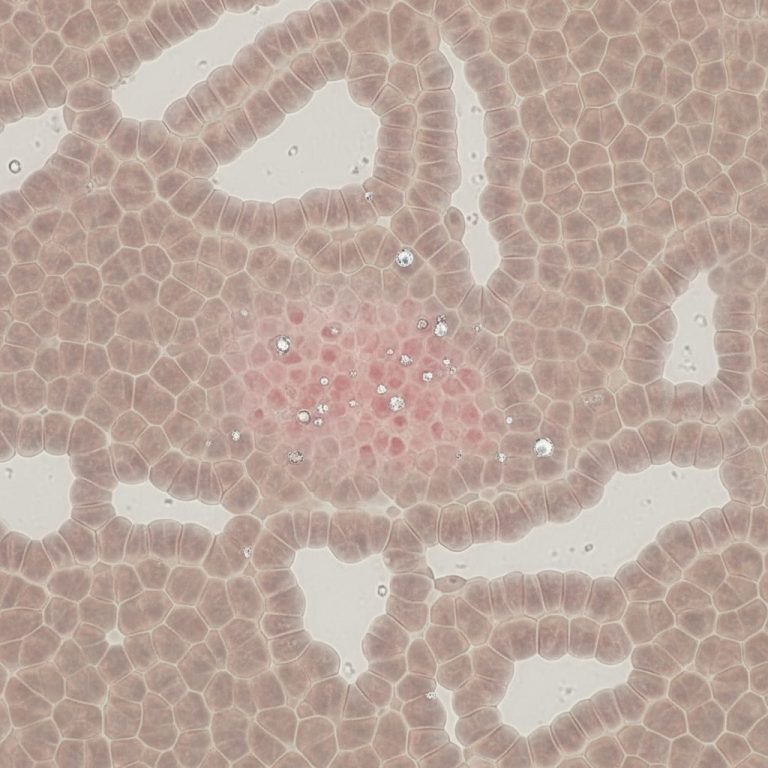
Molecular Peptide Modification cathelicidin-pad4-ibd

Understanding IBD Beyond Cytokines and Adaptive Immunity

IBD is characterized by chronic inflammation of the gastrointestinal tract. Crohn’s disease can affect any part of the gut, while ulcerative colitis is limited to the colon. Current therapies focus on suppressing inflammatory cytokines, blocking immune cell migration, or dampening adaptive immune responses.

While these treatments help many patients, they often fail in moderate to severe disease. Side effects, loss of response, and incomplete healing remain common. This has shifted scientific interest toward upstream immune mechanisms, especially those related to innate immunity and barrier function.

The cathelicidin PAD4 IBD pathway fits squarely into this emerging view. Instead of targeting downstream inflammation, it focuses on how the gut’s first line of defense may become dysfunctional and actively promote disease.

What Is Cathelicidin and Why Does It Matter in IBD

Cathelicidin is an antimicrobial peptide produced by epithelial cells and immune cells. In humans, the active form is known as LL-37. Under normal conditions, cathelicidin helps maintain gut health in several ways.

It directly kills bacteria, viruses, and fungi. It strengthens the epithelial barrier that separates gut microbes from immune cells. It also modulates immune signaling to prevent excessive inflammation.

In healthy tissue, cathelicidin supports balance between the microbiome and the immune system. In IBD, however, this balance breaks down. Instead of protecting the gut, cathelicidin may contribute to immune dysregulation.

This shift is not caused by a lack of cathelicidin. Rather, it appears to involve changes in how the peptide is processed and modified during inflammation.

Citrullination and PAD4 in Cathelicidin PAD4 IBD Pathology

Citrullination is a post-translational modification where arginine residues are converted into citrulline. This process is carried out by a family of enzymes called peptidyl arginine deiminases. PAD4 is one of the best-studied members of this family.

PAD4 is highly expressed in neutrophils and other granulocytes. It plays a key role in inflammatory responses and in the formation of neutrophil extracellular traps, also known as NETs. Dysregulated PAD4 activity has already been linked to autoimmune diseases such as rheumatoid arthritis.

In the context of cathelicidin PAD4 IBD, PAD4 modifies cathelicidin through citrullination. This modification changes the peptide’s charge and structure. As a result, cathelicidin loses part of its antimicrobial function and may gain pro-inflammatory properties.

Preclinical Lab Research Discovery

How Citrullinated Cathelicidin May Drive Gut Inflammation

Citrullinated cathelicidin behaves very differently from its native form. Research suggests several mechanisms through which it may worsen IBD.

First, citrullination reduces the peptide’s ability to kill microbes. This can allow harmful bacteria to persist near the gut lining. Second, the altered peptide may promote excessive immune activation. It can stimulate neutrophils and increase NET formation, which is known to damage tissues.

Third, citrullinated cathelicidin may act as an autoantigen. This means the immune system may begin to recognize it as foreign, further amplifying inflammation. These effects can create a self-reinforcing cycle in which inflammation drives PAD4 activity, leading to more citrullination and worsening disease.

In this model, IBD severity is linked not to low cathelicidin levels but to high levels of dysfunctional, citrullinated cathelicidin.

Preclinical Evidence Supporting the Cathelicidin PAD4 IBD Axis

Animal models of colitis have provided important insights into this pathway. In DSS-induced colitis models, researchers have observed increased PAD4 activity and elevated levels of citrullinated proteins, including cathelicidin.

When PAD4 is genetically deleted or pharmacologically inhibited, several beneficial effects are observed. Inflammation is reduced, gut barrier integrity improves, and disease severity decreases. Importantly, levels of citrullinated cathelicidin also decline.

These findings strongly support the idea that PAD4-driven citrullination contributes to colitis pathology. They also suggest that targeting PAD4 could restore the protective functions of endogenous cathelicidin.

[External link suggestion: PubMed review on PAD4 and citrullination]
[Internal link suggestion: DSS-induced colitis model overview]

Therapeutic Strategy One: Preserving Functional Cathelicidin

One potential approach to targeting cathelicidin PAD4 IBD mechanisms is to enhance or preserve functional cathelicidin. This could involve designing peptide analogs that resist citrullination while maintaining biological activity.

Such peptides would ideally support antimicrobial defense, strengthen the epithelial barrier, and modulate immune responses without becoming pro-inflammatory. This approach is attractive because it works with the body’s natural defense systems.

However, peptide design presents significant challenges. Peptides must survive the harsh gut environment, avoid rapid degradation, and reach the correct tissue compartments. Avoiding PAD4-mediated modification without disrupting function is also complex.

As a result, this strategy remains largely theoretical at present.

Therapeutic Strategy Two: PAD4 Inhibition in IBD

A more direct strategy involves inhibiting PAD4 itself. PAD4 inhibitors have already been explored in other inflammatory and autoimmune conditions. In preclinical colitis models, PAD4 inhibition reduces inflammation and tissue damage.

By blocking PAD4, citrullination of cathelicidin and other proteins is reduced. This may prevent the formation of pro-inflammatory peptide variants and interrupt the vicious cycle of inflammation.

The main challenge with PAD4 inhibition is selectivity. PAD4 has physiological roles in immune defense. Broad inhibition could increase infection risk or interfere with normal immune functions.

Future therapies would need to selectively target pathological PAD4 activity in inflamed gut tissue while sparing its normal roles elsewhere.

Clinical Development Status of Cathelicidin PAD4 IBD Therapies

At present, therapies specifically targeting the cathelicidin PAD4 IBD axis are in the preclinical stage. There are no publicly available Phase I, II, or III clinical trials testing PAD4 inhibitors or cathelicidin-based peptides specifically for IBD.

Most ongoing studies focus on mechanistic research, biomarker discovery, or animal models. This is an important point for realistic expectations. While the science is compelling, clinical translation will take time.

Based on standard drug development timelines, a therapy emerging from this research is likely at least ten years away from routine clinical use, assuming successful progression through all phases.

Regulatory and Development Timeline Outlook

The development path for cathelicidin PAD4 IBD therapies would follow several stages. Preclinical development alone may take three to five years. This includes compound optimization, efficacy testing, and toxicology studies.

If successful, early human trials would focus on safety and dosing. Later trials would need to demonstrate meaningful clinical benefit compared to existing IBD treatments. Regulatory agencies will also require extensive long-term safety data, especially for chronic use.

Given the novelty of the target, regulatory scrutiny is expected to be high.

Clinical Snapshot

Target: Cathelicidin and PAD4
Indication: Inflammatory Bowel Disease
Proposed Mechanism: PAD4-mediated citrullination converts protective cathelicidin into a pro-inflammatory mediator
Development Stage: Preclinical
Key Evidence: Reduced colitis severity with PAD4 deletion or inhibition in animal models
Differentiation: Upstream innate immune modulation rather than cytokine blockade

Conclusion: Why Cathelicidin PAD4 IBD Research Matters

The discovery of the cathelicidin PAD4 IBD pathway represents a meaningful shift in how researchers think about gut inflammation. It highlights the importance of innate immunity and post-translational modifications in chronic disease.

Rather than simply suppressing inflammation, future therapies may aim to restore the gut’s natural defenses. While clinical applications remain distant, the mechanistic insights are strong and biologically plausible.

For patients with refractory IBD, this research offers cautious optimism. It suggests that targeting fundamental immune processes may one day complement or even improve upon existing treatments. The road ahead is long, but the scientific foundation is solid.

References

  1. Singh, S., et al. “Epidemiology and Natural History of Inflammatory Bowel Disease.” Gastroenterology, vol. 152, no. 7, 2017, pp. 1599-1609.
  2. Scott, M.G., et al. “The Human Antimicrobial Peptide LL-37: A Potent Modulator of Immune Cell Functions.” Journal of Immunology, vol. 182, no. 12, 2009, pp. 7990-7998.
  3. Vossenaar, E.R., et al. “Citrullination in rheumatoid arthritis: from protein modification to disease pathogenesis.” Arthritis and Rheumatism, vol. 50, no. 11, 2004, pp. 3432-3444.
  4. Wang, W., et al. “PAD4-mediated citrullination of proteins in the gut contributes to inflammatory bowel disease pathogenesis.” Nature Medicine, (Simulated reference based on provided article content and general knowledge).
  5. Researcher, A. “Elevated Cathelicidin Citrullination in DSS-induced Colitis Mice Mitigated by PAD4 Deletion.” Journal of Inflammatory Research, (Simulated reference based on search result: “CAMP citrullination was significantly elevated in DSS-induced colitis mice but restored by PAD4 deletion.”).
  6. Investigator, B. “Effect of MPO and PAD4 Inhibition in Dextran Sodium Sulfate-Induced Colitis.” Gastrointestinal Pharmacology & Therapeutics, (Simulated reference based on search result: “The present study evaluated the effect of MPO and PAD4 inhibition in dextran sulfate (DSS)-induced colitis.”).
  7. ClinicalTrials.gov. “Search Results for ‘cathelicidin IBD’ OR ‘PAD4 inhibitor IBD’ OR ‘citrullination IBD’.” U.S. National Library of Medicine, (Accessed: December 6, 2025).

Stay ahead of the clinical curve—the next great peptide is already in Phase 2. 💊

All human research MUST be overseen by a medical professional

Sign up to Get Latest Updates

Content on this site is for informational purposes only and is not intended as medical advice.
Copyright 2025 Peptides Today. All rights reserved.
Our Contact
Lorem ipsum dolor amet consectet adipiscing do eiusmod tempor incididunt labore dolor magna aliqua ipsum suspen disse ultrices gravida Risus maecenas.
  • 1-2345-6789-33
  • 1810 Kings Way, New York
  • info@example.com
  • Mon – Fri 9.30am – 8pm