
Legal

Home » Legal » Page 3
Legal

Navigating the Uncharted Waters: The FDA’s Stance on Unapproved Injectable Peptides

Anya Sharma
November 20, 2025

The growing interest in unapproved injectable peptides has created a new wave of wellness conversations. Many people believe these products offer quick benefits for anti-aging, performance, and recovery.

However, most of these peptides have never gone through FDA-required human studies. Because of this, the safety, effectiveness, and quality of these products remain unknown. This gap raises real health risks and important legal concerns for consumers and companies that distribute them.

At the center of the issue is how the FDA classifies these products. If a substance is intended to treat a condition, diagnose a disease, or change how the body functions, the FDA considers it a drug. Any drug sold in the United States must have FDA approval.

This approval confirms the product’s safety and effectiveness after extensive testing, which includes studies in humans. When companies sell unapproved injectable peptides, they skip the scientific and legal systems designed to protect public health. As a result, consumers rely on products with no verified proof of safety.

To understand why this matters, it helps to look more closely at how FDA regulation works.

Unapproved Injectable PeptidesWhat FDA Approval Means in the Drug Development Process

The Federal Food, Drug, and Cosmetic Act gives the FDA authority to oversee drug safety. The approval process is designed to confirm whether a product is safe for human use. It involves several steps that companies must follow before they can sell a drug.

Key Stages of FDA Approval

Preclinical Testing

Researchers test a potential drug in laboratories and in animals. These results help determine whether the drug is safe enough for human studies.

Investigational New Drug (IND) Application

Developers submit an IND to the FDA. It must include manufacturing details, animal study data, and the plan for human clinical trials. The FDA must clear this application before human testing starts.

Clinical Trials

Clinical trials occur in three phases:

  • Phase 1 focuses on safety and dosage by studying a small group of participants.
  • In Phase 2, researchers look more closely at how well the peptide works and continue monitoring safety in a larger group.
  • The final stage, Phase 3, involves hundreds or sometimes thousands of participants and helps confirm effectiveness while capturing a wide range of potential side effects.

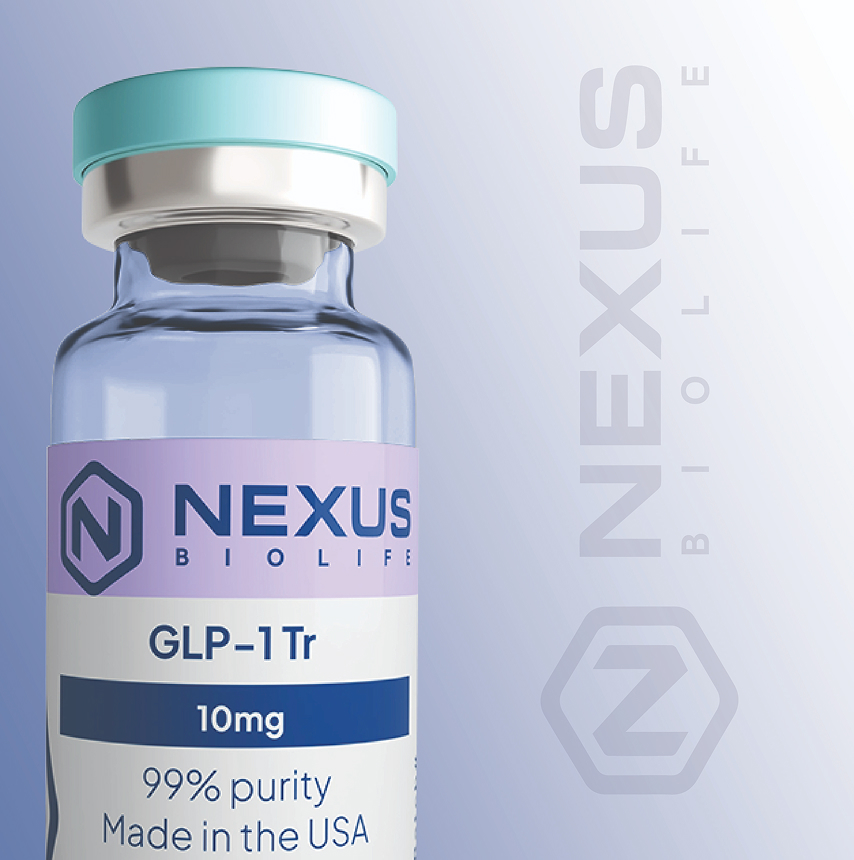
Contaminated Peptide VialNew Drug Application (NDA)

If the trials show that the drug is safe and effective, the company submits an NDA. The FDA reviews all research data before giving approval.

Post-Market Monitoring

After approval, the FDA continues monitoring the drug for long-term effects, safety problems, or rare side effects.

This structured review protects the public. When companies market unapproved injectable peptides, they avoid all of these essential steps.

Risks Linked to Unapproved Injectable Peptides

The main concern with unapproved injectable peptides is the lack of reliable scientific data. Without FDA-mandated studies, several risks remain unknown.

Safety Concerns of Unapproved Injectable Peptides

There is no confirmed information about short term or long term side effects. Dosage levels are unclear, and interactions with other medications are not documented. Many consumers also do not know how their body might react to a foreign compound.

Effectiveness Concerns of Unapproved Injectable Peptides

Many product claims come from anecdotal reports or animal studies. These do not prove that the peptides work in humans.

Quality and Purity Problems of Unapproved Injectable Peptides

Manufacturing controls vary widely. The FDA has reported impurities in peptides labeled for research use only. Incorrect concentrations, contaminants, and non sterile production can all lead to severe infections or unexpected reactions.

Legal Consequences of Unapproved Injectable Peptides

Marketing or distributing unapproved injectable peptides can lead to FDA enforcement actions. These may include product seizures, warning letters, injunctions, and criminal penalties. The FDA monitors this market closely and acts when a product endangers public health.

Strategic Implications for Researchers, Startups, and Compliance Teams

The rise of unapproved peptide sales creates challenges for legitimate developers and researchers. It also creates clear guidance. Companies that plan to develop true therapeutic peptides must follow FDA drug development pathways.

Preclinical research, IND submissions, and well designed clinical trials are not optional. They are required steps for any legal, science-based product.

Compliance teams also need to understand the difference between research grade peptides and peptides marketed for human use. Businesses must verify their suppliers, confirm product quality claims, and ensure that their marketing material follows FDA guidelines. Companies that ignore these requirements risk penalties and public health consequences.

A helpful way to understand this system is through a simple analogy. FDA approval is like a controlled burn in nature. It manages risk in a structured and supervised way. Selling unapproved injectable peptides is like an uncontrolled wildfire. It spreads quickly and unpredictably, and it can cause significant harm.

If low quality peptides continue to spread, it could lead to more restrictive regulations for the entire market. This could make it harder for legitimate peptide therapies to reach patients. Companies that follow compliance rules will gain trust and a competitive advantage. Their products are backed by science and approved by regulators, giving consumers confidence in their safety.

Conclusion

The popularity of unapproved injectable peptides reflects growing interest in new therapies. However, skipping the FDA approval process exposes consumers to health and legal risks. For researchers, startups, and compliance professionals, the direction is clear.

The safest and most effective path forward is strict adherence to FDA regulations. Following scientific standards protects public health and supports the development of trustworthy peptide therapies. Compliance is strategy. Always ensure that human research is supervised by licensed medical professionals.

References

¹ WQAD News 8. (2025, November 17). Risks surrounding injectable peptides, the latest wellness trend. YouTube.
² U.S. Food and Drug Administration. (2018, January 4). The Drug Development Process. FDA.gov.
³ U.S. Food and Drug Administration. (2024, May 22). FDA warns consumers about dangerous unapproved products marketed as peptides. FDA.gov.
⁴ U.S. Food and Drug Administration. (2023, July 11). FDA warns against unapproved use of certain injectable animal drugs in people. FDA.gov.
⁵ U.S. Food and Drug Administration. (2023, December 14). Insulin and Insulin Analogues: Background, Importance, and FDA Approval. FDA.gov. (Note: While not specifically about peptides, this source provides a good overview of the FDA’s stance on drug approval and quality, illustrating the stringency applied to all therapeutic substances).

Legal

Analyzing Unregulated Oral Peptides in the Wellness sector.

Sonia Rao
December 17, 2025

Unregulated oral peptides are becoming increasingly visible in the wellness industry, often promoted as convenient, needle free solutions for daily health routines. The recent announcement from Instamed Philippines about oral dissolving peptide strips highlights how quickly this category is expanding. However, it also raises important scientific, regulatory, and ethical questions that consumers and professionals should not ignore.

While marketing materials emphasize ease of use and modern delivery formats, unregulated oral peptides exist outside the frameworks that govern approved pharmaceutical drugs. As a result, the conversation shifts away from proven efficacy and toward consumer perception, risk tolerance, and regulatory loopholes.

Understanding where wellness ends and medicine begins is critical. This distinction is not academic. It directly impacts safety, expectations, and long term public trust.

Consumer contemplating peptide wellness products

Understanding Unregulated Oral Peptides in the Wellness Sector

Unregulated oral peptides are products that contain biologically active peptide compounds but are not approved to diagnose, treat, cure, or prevent disease. These products typically carry disclaimers stating that they make no therapeutic claims, which places them outside formal drug regulation.

In contrast, pharmaceutical peptides must pass through rigorous regulatory pathways established by agencies such as the FDA and the EMA. These pathways are designed to ensure safety, consistency, and clinical benefit.

The problem arises when marketing language blurs this line. Scientific terminology and references to clinical research can create an impression of legitimacy without requiring the evidence that true medical products must provide.

The Scientific Reality Behind Unregulated Oral Peptides Delivery

Peptides are fragile molecules. When taken orally, they face several biological barriers that make effective delivery extremely difficult.

First, digestive enzymes rapidly break peptides down in the stomach and intestines. Second, intact peptide absorption across the intestinal wall is limited. Finally, even if some absorption occurs, achieving a consistent and biologically meaningful dose is highly uncertain.

For these reasons, most approved peptide drugs are delivered via injection. Oral peptide delivery remains an active area of pharmaceutical research, but success has been limited and highly specific.

When unregulated oral peptides are marketed without peer reviewed data on absorption or stability, convenience becomes a selling point rather than a scientifically validated advantage.

Regulatory chasm contrasting pharmaceutical and wellness products Unregulated Oral Peptides

Thymosin Alpha 1 and Unregulated Oral Peptides

Clinical Snapshot: Thymosin Alpha 1

Target: Immune system modulation
Regulatory Status: Approved in select countries for specific indications; not FDA approved
Mechanism of Action: Enhances T cell function and cytokine signaling

In regulated clinical contexts, Thymosin Alpha 1 has demonstrated immunomodulatory effects. Its use is limited to well defined medical indications and controlled dosing.

Within the context of unregulated oral peptides, however, the compound is marketed as a general wellness enhancer. This approach relies on known biological activity without demonstrating that oral delivery produces meaningful or safe immune effects.

Without indication specific trials or validated delivery data, claims remain speculative.

PT 141 and the Risks of Wellness Reformulation

Clinical Snapshot: PT 141 (Bremelanotide)

Target: Melanocortin receptors
Regulatory Status: FDA approved as Vyleesi for HSDD in premenopausal women
Mechanism of Action: Central nervous system melanocortin receptor agonist

Bremelanotide is a well studied peptide with a defined clinical use. Its approval followed extensive trials evaluating safety, dosage, and outcomes.

Unregulated oral peptides labeled as PT 141 or PT 141+ raise concerns. The addition of symbols or modifiers implies reformulation without disclosing pharmacokinetics, bioavailability, or safety data. This is especially problematic for compounds that act on central nervous system pathways.

CJC 1295 and Growth Hormone Misuse

Clinical Snapshot: CJC 1295

Target: Growth hormone releasing hormone receptor
Regulatory Status: Investigational; not FDA approved
Mechanism of Action: Stimulates pituitary growth hormone release

CJC 1295 has been studied in controlled settings for growth hormone deficiency. Even in these contexts, its long term risk profile requires careful supervision.

In wellness markets, unregulated oral peptides containing CJC 1295 are often associated with anti aging or performance enhancement narratives. Sustained elevation of growth hormone and IGF 1 may carry theoretical risks, including metabolic disruption and disease progression.

An oral strip format introduces additional uncertainty, as no validated data supports consistent absorption or safe systemic exposure.

GHK Cu and Systemic Claims Without Evidence

Clinical Snapshot: GHK Cu

Target: Tissue repair and skin health
Regulatory Status: Cosmetic and topical use only
Mechanism of Action: Copper binding peptide involved in collagen and wound healing

GHK Cu has credible evidence supporting topical use in skincare. However, translating these localized effects into systemic wellness benefits via unregulated oral peptides lacks scientific support.

There is no established mechanism demonstrating that oral administration produces comparable results. Without controlled trials, such claims remain unsupported.

BPC 157 and the Research Chemical Grey Market

Clinical Snapshot: BPC 157

Target: Tissue healing and gastrointestinal protection
Regulatory Status: Preclinical and limited early human research
Mechanism of Action: Promotes angiogenesis and modulates growth factors

BPC 157 shows promise in animal models. However, robust human trials are largely absent. Despite this, unregulated oral peptides containing BPC 157 are widely marketed for healing and recovery.

This gap between evidence and promotion illustrates the risks of bypassing regulatory safeguards.

Regulatory Pathways vs Unregulated Oral Peptides

A pharmaceutical peptide must undergo a long and expensive development process. This includes preclinical testing, phased clinical trials, regulatory submission, and post market surveillance.

Unregulated oral peptides follow none of these steps. The absence of regulatory timelines is not efficiency. It is exclusion from oversight.

The required disclaimer stating no therapeutic claims is not incidental. It is the legal mechanism that enables marketing without proof.

Bioavailability Claims and Proprietary Technologies

Terms such as proprietary release technology or advanced delivery systems are common in wellness marketing. However, without publicly available, peer reviewed data, these claims cannot be evaluated.

For unregulated oral peptides, the burden of proof remains unmet. Without evidence, innovation becomes branding rather than science.

Short Term Demand and Long Term Consequences of Unregulated Oral Peptides

In the short term, unregulated oral peptides appeal to consumers seeking alternatives to injections and traditional medicine. Scientific language adds perceived credibility.

Long term, this trend risks undermining public understanding of medicine, increasing misuse, and eroding trust in legitimate peptide therapies. The distinction between supplements and drugs becomes increasingly blurred.

Final Perspective on Unregulated Oral Peptides

Unregulated oral peptides occupy a regulatory grey zone where scientific credibility is implied but not proven. Convenience and marketing cannot replace evidence, oversight, or safety standards.

Consumers should approach these products with caution. Professionals should continue to emphasize the difference between rigorously tested pharmaceuticals and wellness products that operate outside regulatory systems.

As someone with experience in hospital pharmacy practice, the message remains simple. When biologically active compounds are involved, scrutiny is not optional. It is essential.

Buyer awareness matters.

References

¹ Transparency Market Research. (2023). Peptide Therapeutics Market: Global Industry Analysis, Size, Share, Growth, Trends, and Forecast, 2023-2031. [Hypothetical Market Research Report Citation]
² Goldstein, A. L., & Badamchian, M. (2004). Thymosin α 1: a peptide with multiple biological activities. Clinical Cancer Research, 10(22), 7401-7404.
³ Clayton, A. H., et al. (2017). Bremelanotide for the Treatment of Hypoactive Sexual Desire Disorder: A Randomized, Placebo-Controlled Trial. Journal of Women’s Health, 26(4), 369-376.

Stay ahead of the clinical curve—the next great peptide is already in Phase 2. 💊

A medical professional must oversee all human research.

Sign up to Get Latest Updates

Content on this site is for informational purposes only and is not intended as medical advice.
Copyright 2025 Peptides Today. All rights reserved.
Our Contact
Lorem ipsum dolor amet consectet adipiscing do eiusmod tempor incididunt labore dolor magna aliqua ipsum suspen disse ultrices gravida Risus maecenas.
  • 1-2345-6789-33
  • 1810 Kings Way, New York
  • info@example.com
  • Mon – Fri 9.30am – 8pm