Alright, fellow science enthusiasts, gather round! Have you ever felt like you are playing a never-ending game of whack-a-mole with super-strong germs and need BSF Peptides to win? You know, those sneaky bacteria that just laugh in the face of our best antibiotics? It is a massive global health crisis.
We are talking nearly 5 million deaths linked to antimicrobial resistance (AMR) in 2019 alone. The forecast is looking grim for the future. We need new tools, and the answer might come from these specific BSF Peptides.

The problem of antimicrobial resistance is a bona fide global emergency. Imagine a world where a simple cut becomes a life-threatening gamble. That is the dystopian future we face. Superbugs are literally breaking our healthcare system and costing billions annually.
We desperately need new types of microbial managers to step in. This is where the world of antimicrobial peptides bursts onto the scene. Specifically, BSF Peptides offer a fresh way to target and kill dangerous bacteria before they can spread.
Traditional antibiotics often target specific pathways like building a cell wall. It is like hitting a single off switch. But bacteria are clever and can mutate that switch. This is why resistance spreads faster than rumors in a high school cafeteria.
Now, BSF Peptides are like nature’s tiny wrecking balls. Instead of targeting one switch, they physically disrupt the bacterial cell membrane. Think of it as tearing down the walls of a fortress. This makes it much harder for bugs to fight back.
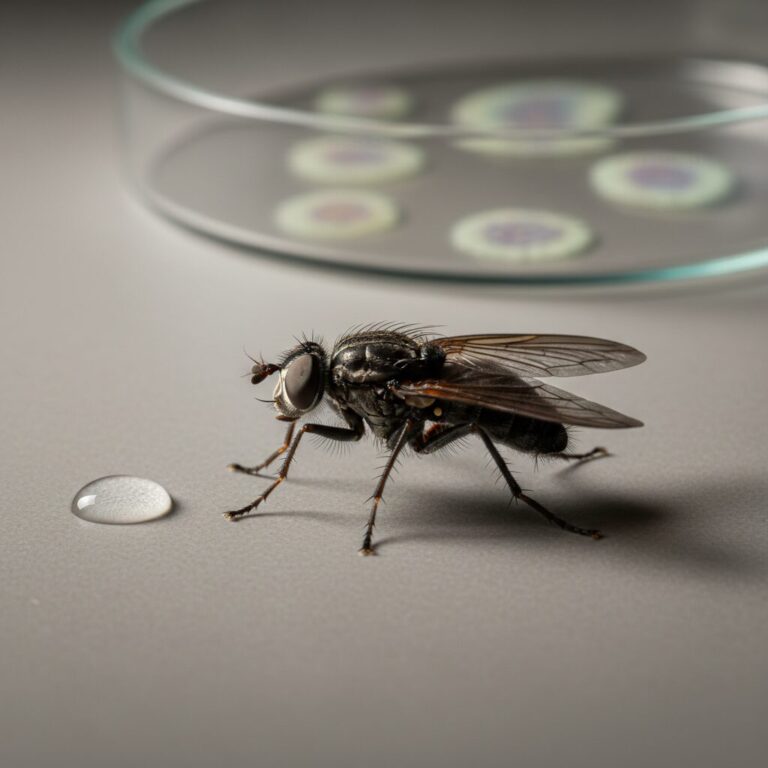
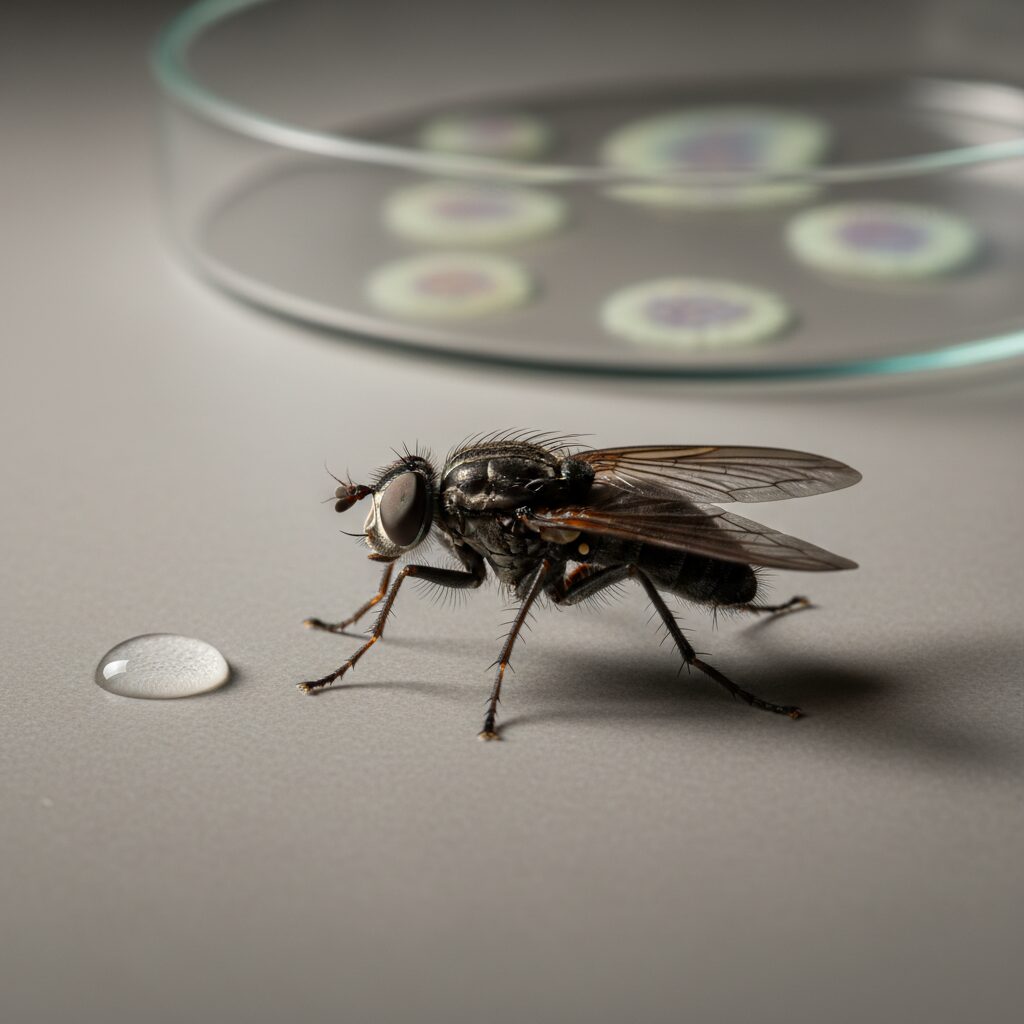
The Black Soldier Fly is a real unsung hero in science. These creatures thrive in environments teeming with pathogenic microbes. They stay healthy because their immune system is an absolute beast. It constantly pumps out a diverse range of BSF Peptides.
Researchers have found that the fly genome contains 50 encoding genes for these peptides. This is a huge number for an individual insect. This means there is a treasure trove of potential bug-busting molecules just waiting for us to find them.
Among the dozens of BSF Peptides identified, one stands out like a beacon: HillBBC7176. This is a broad-spectrum brawler that shows impressive activity against a wide range of microbial baddies. It is like having a universal germ-killer in our arsenal.
Studies show this peptide increases membrane permeability in a concentration-dependent manner. It effectively punches holes in bacterial cell membranes. Once the integrity is compromised, the jig is up for the microbe. It is fast, effective, and very powerful.
What is super cool is that HillBBC7176 showed low toxicity against human cells. It is tough on bugs but relatively gentle on us. This highlights the incredible therapeutic potential of peptides in modern medicine.
This specific peptide also has a strong binding affinity to bacterial shields. It latches onto the target and initiates destruction immediately. Because it works so fast, microbes have less time to adapt. This speed is a massive advantage in modern healthcare.
The discovery of HillBBC7176 is truly electrifying for the scientific community. It opens up new avenues in our search for fresh strategies to combat resistance. The natural world continues to surprise us with potent and elegant solutions.
Future research will dive deeper into understanding these structures. We want to refine their application and explore even more BSF Peptides. Imagine a future where bugs do not stand a chance thanks to a tiny hero from the insect world!
What’s your hidden peptide pearl? DM me—let’s co-author the next unearthed epic. 🧪
All human research MUST be overseen by a medical professional.