
Bioactive peptides gut health research is turning food leftovers into something surprisingly valuable. Scientists are studying how proteins from meat byproducts can be transformed into small compounds that may support the gut microbiome, immune balance, and metabolic wellness.
Even though the topic sounds playful, the science behind it is serious. Most current evidence comes from laboratory and animal research, with limited human trials so far. Still, the early findings are exciting and worth exploring.
Have you ever looked at dinner leftovers and thought they were waste? Researchers see opportunity instead. Protein rich byproducts from the meat industry contain amino acids that can be converted into bioactive peptides. These tiny molecules are being studied as nutraceutical ingredients and functional foods that may do more than provide nutrition.
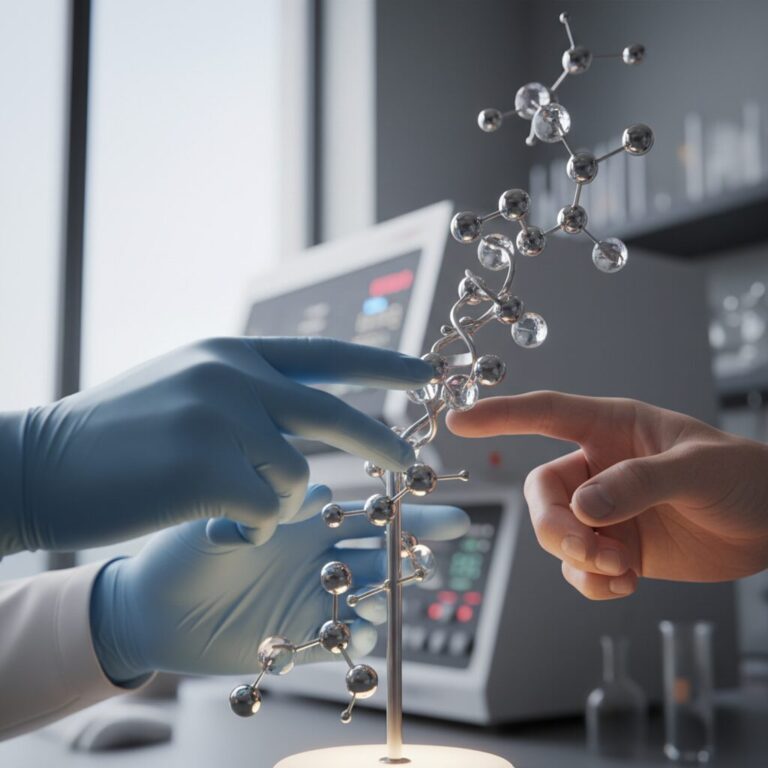
Proteins are long chains of amino acids. When these chains break down during digestion or controlled processing, they release smaller chains called bioactive peptides. These peptides are biologically active, which means they interact with cells and influence body functions.
Researchers study bioactive peptides gut health links because these molecules appear to communicate with the immune system, metabolic pathways, and the gut microbiome. Some peptides may help reduce inflammation, support antioxidant defenses, and encourage healthy blood pressure levels. Most of this evidence comes from early stage research, so scientists continue to investigate how these effects work in humans.
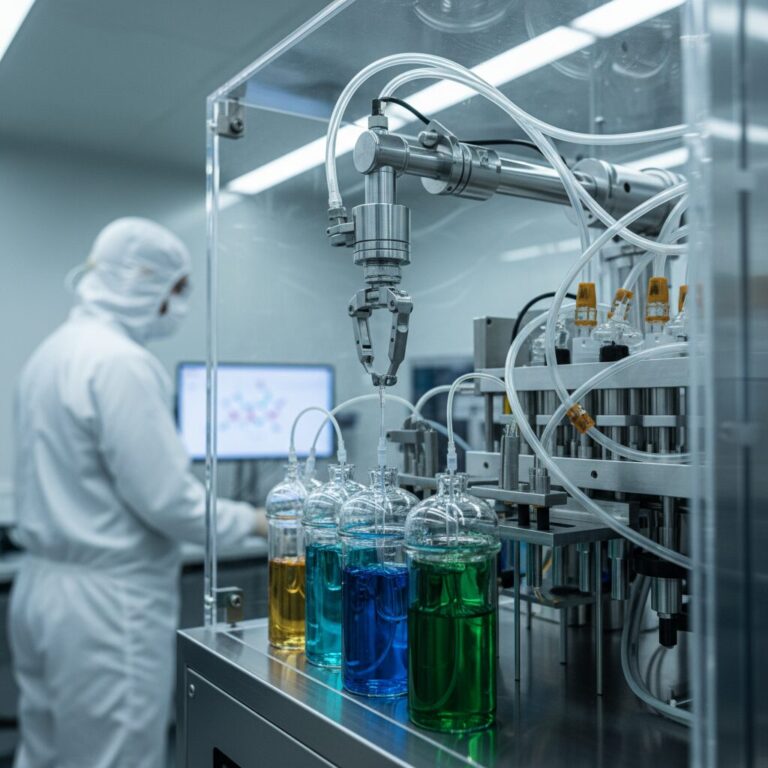
The meat industry generates protein rich byproducts such as bones, skin, and connective tissues. Historically, these materials were undervalued. Today, scientists use enzymes to break down these proteins into beneficial peptides. This process is called protein hydrolysis.
This approach supports sustainability. Instead of discarding valuable proteins, the industry can upcycle them into health focused ingredients. According to USDA food waste research, reducing waste and creating value from byproducts is a growing priority in food innovation.
This shift helps both sustainability and nutrition science. It creates a new pipeline for discovering peptides that may support human health while reducing environmental impact.

Your gut contains trillions of microbes that influence digestion, immunity, and mood. This community is called the gut microbiota. Scientists studying gut microbiota research believe certain peptides may act as supportive compounds for beneficial bacteria.
Early research suggests some bioactive peptides may help beneficial bacteria such as Lactobacillus and Bifidobacterium grow. At the same time, they may make the environment less friendly for harmful microbes. Maintaining balance in the gut microbiome is important because imbalance can contribute to digestive discomfort and long term health concerns.
Researchers also investigate how peptides may support gut barrier integrity. The gut lining acts as a protective filter that allows nutrients to enter the bloodstream while blocking harmful particles. Studies suggest peptides may help maintain this barrier and support metabolic health.
Chronic inflammation can contribute to many health concerns. Scientists are exploring how peptides may help regulate inflammatory responses. Early findings show certain peptides interact with immune signaling pathways that influence inflammation levels.
Bioactive peptides gut health research also examines antioxidant activity. Free radicals can damage cells and accelerate aging. Antioxidants neutralize these unstable molecules. Many peptides show antioxidant properties in laboratory research, which suggests they may help reduce oxidative stress.
Some human studies suggest specific peptides may support healthy blood pressure levels. These peptides appear to influence enzymes that regulate blood vessel function. Although the results are promising, researchers need larger human trials to confirm long term benefits.
The NIH overview of bioactive compounds highlights ongoing research into how food derived peptides may support cardiovascular wellness. Scientists continue to study safe and effective applications.
Researchers are also exploring antimicrobial properties of peptides. Many peptides show activity against bacteria and fungi in laboratory studies. Early research is examining antiviral potential as well. These findings suggest peptides could become useful tools in food safety and health research.
The growing interest in peptides has created an online marketplace for research compounds. It is important to understand that research grade peptides are not approved medications or supplements. Quality and purity vary widely between suppliers. Without proper testing, products may contain contaminants or incorrect dosages.
Human research must always be supervised by medical professionals and conducted under regulatory oversight. Bioactive peptides discussed here are not approved to diagnose, treat, cure, or prevent disease. Responsible research ensures safety and reliable results.
The idea that food byproducts can become health focused ingredients represents a major shift in nutrition science. Bioactive peptides gut health research connects sustainability, food innovation, and wellness in one field.
Scientists continue to explore how these peptides may support immunity, metabolism, and microbiome balance. As research grows, these compounds could become part of future functional foods and nutraceutical products.
For now, the science remains promising but still developing. Continued studies will clarify how these molecules work in real world diets and long term health.
The future of nutrition may include ingredients created from resources once considered waste. That shift reflects the power of innovation and the potential of scientific curiosity.
All human research MUST be overseen by a medical professional.