Antimicrobial resistance is now one of the most serious threats to global health. In 2019, drug resistant infections directly caused 1.27 million deaths and contributed to almost 5 million more. Because of this growing crisis, researchers are urgently exploring new therapeutic approaches. One of the most exciting solutions involves AI antimicrobial peptides. Scientists at the University of Münster are using artificial intelligence to design next generation antimicrobial peptides that could help defeat multidrug resistant bacteria.
This research combines bioinformatics, microbiology, and pharmaceutical science. The goal is simple but ambitious. Researchers want to create safer, more effective peptide therapies that bacteria struggle to resist.
Traditional antibiotics are losing effectiveness. Bacteria evolve quickly, and the antibiotic pipeline has slowed down. As a result, healthcare systems face rising treatment failures and longer hospital stays.
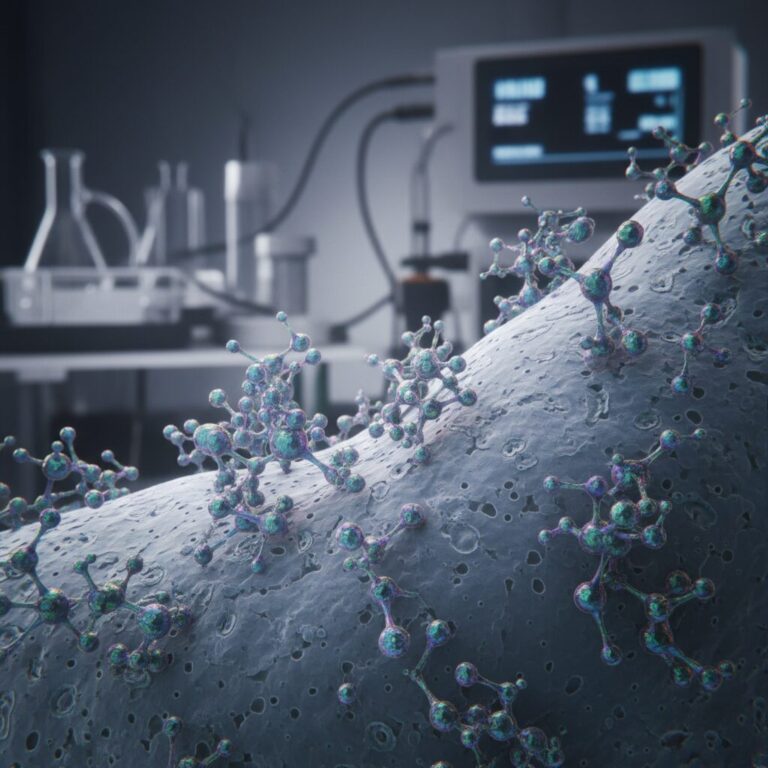
Antimicrobial peptides offer a promising alternative. These small proteins exist naturally in the human immune system. They act as the body’s first line of defense against pathogens. Unlike many antibiotics that attack a single bacterial target, antimicrobial peptides often attack bacteria in multiple ways.
For example, many peptides disrupt bacterial cell membranes. Others interfere with DNA, RNA, or enzyme activity. Because of this multi target approach, bacteria find it harder to develop resistance. Therefore, researchers believe peptide therapies could become a powerful new class of antimicrobials.
The Münster research team uses artificial intelligence to accelerate peptide discovery. Their work relies on the COMPASS database, one of the largest curated collections of antimicrobial peptides. This dataset provides thousands of peptide sequences for training advanced AI models.
From this foundation, the team developed AmpGPT. This system is a protein language model based on ProtGPT2 architecture. The model learns patterns from known peptides and then generates new sequences with desired properties.
This process is not random. Instead, the AI antimicrobial peptides are designed with specific goals in mind.
Researchers optimize for:
Solubility plays a major role in drug success. Many promising compounds fail because they cannot dissolve properly in the body. Therefore, designing soluble peptides early saves years of development time.
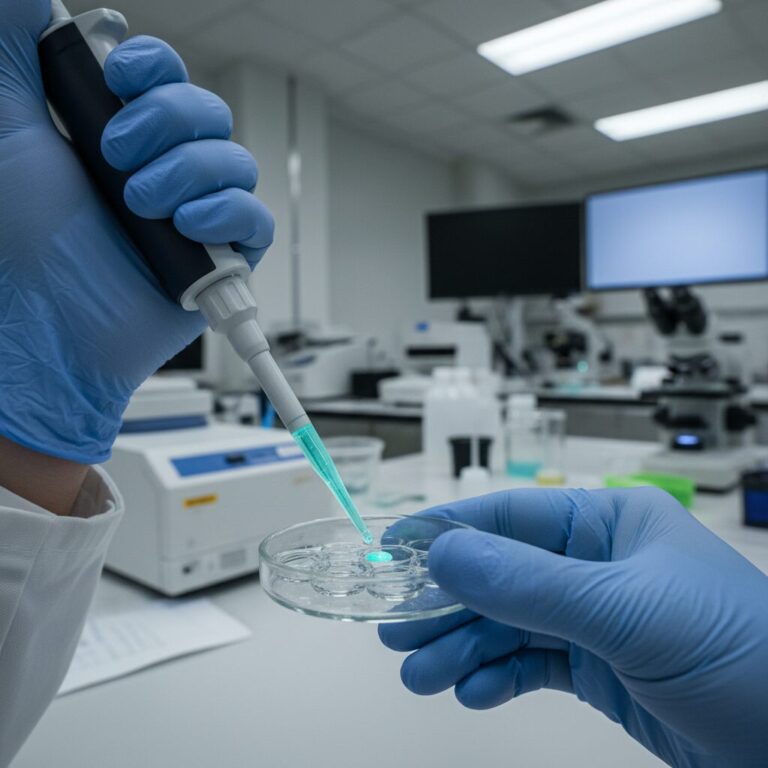
Importantly, the Institute of Medical Microbiology validates every AI generated peptide in laboratory experiments. This collaboration connects computational design with real world microbiology testing.

Artificial intelligence is transforming pharmaceutical research. Traditionally, drug discovery required years of trial and error. Today, AI models analyze massive biological datasets in a fraction of the time.
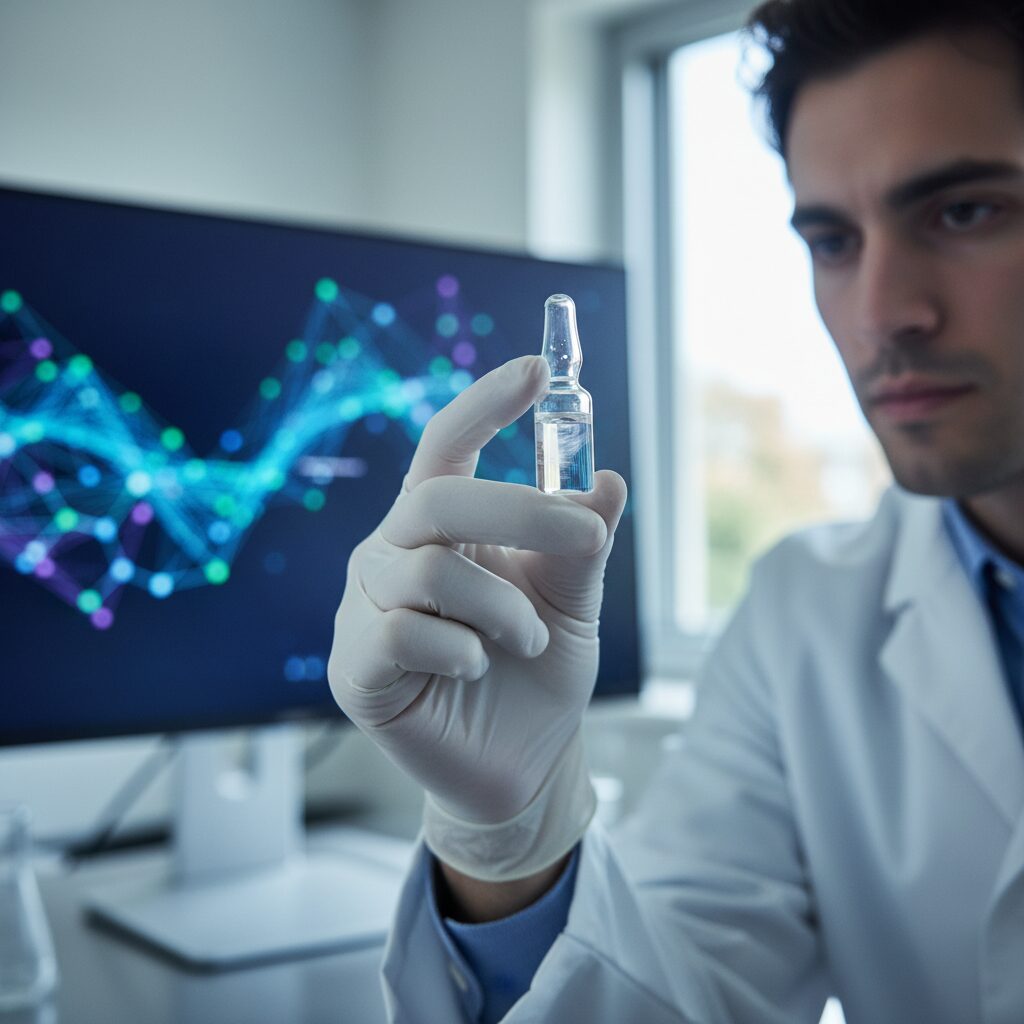
AI antimicrobial peptides demonstrate how machine learning speeds up discovery. Instead of screening millions of random compounds, researchers can generate targeted candidates in silico. As a result, laboratories focus only on the most promising molecules.
This approach reduces cost and shortens early research timelines. However, AI does not replace laboratory testing. Instead, it acts as a powerful accelerator for scientific discovery.
Target
Multidrug resistant bacterial pathogens
Current stage
Preclinical discovery and laboratory validation
Primary focus
Designing AI antimicrobial peptides with high efficacy and low toxicity
Mechanism of action
Membrane disruption and intracellular targeting
Although the technology shows promise, it remains in early development. Extensive testing is still required before clinical trials begin.
Drug development is a long and complex process. Even the most promising peptide therapies must pass strict regulatory requirements.
First, researchers conduct in vitro and in vivo studies. These studies evaluate safety, toxicity, and pharmacokinetics. If results remain positive, developers submit an Investigational New Drug application.
Human testing begins with Phase 1 trials. These trials focus on safety in healthy volunteers. Phase 2 trials then explore dosing and early effectiveness in patients. Finally, Phase 3 trials confirm safety and efficacy in large populations.
This process often takes more than a decade. Therefore, AI antimicrobial peptides remain at the starting line of a long regulatory journey.
Growing interest in peptides has created a risky gray market. Many websites sell so called research grade peptides with limited quality control. These products differ greatly from pharmaceutical grade compounds.
Research grade peptides may lack purity, stability, and accurate dosing. They often have no safety testing or regulatory oversight. Because of this, self experimentation carries serious health risks.
The Münster project follows a completely different path. Researchers aim to develop clinically validated therapies that meet strict regulatory standards. This distinction is essential for patient safety.
The rise of AI antimicrobial peptides represents a major shift in antibiotic innovation. Artificial intelligence allows researchers to design targeted therapies faster than ever before.
Short term progress will focus on refining peptide designs and expanding laboratory testing. Over time, successful candidates could move into clinical trials. If proven safe and effective, peptide therapies could form an entirely new class of antimicrobials.
This progress could help healthcare systems combat the global antimicrobial resistance crisis. While challenges remain, the combination of artificial intelligence and peptide science offers real hope.
The fight against drug resistant bacteria continues. AI antimicrobial peptides may become one of the most powerful tools in that battle.
All human research MUST be overseen by a medical professional.