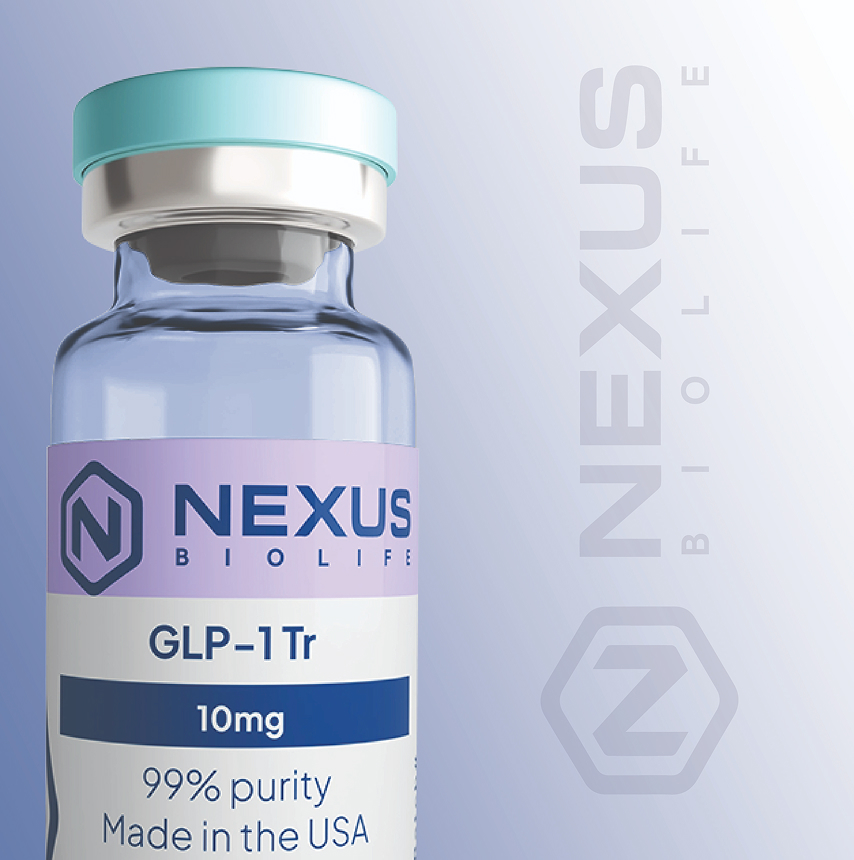


The world of medical research is changing rapidly. Recent discussions regarding peptide regulation suggest a major shift in how the government views these compounds. These updates could soon change how clinics and researchers access life-changing therapies.
Current peptide regulation is at a major crossroads. Recently, officials discussed moving several substances from “Category 2” back to “Category 1.” This change would allow compounding pharmacies to create medications for patients with valid prescriptions.
HHS Secretary Robert F. Kennedy Jr. recently addressed these concerns publicly. He noted that peptide regulation should rely on clear safety data rather than broad restrictions. This move aims to balance innovation with public health safety protocols.

Strict peptide regulation often limits access to compounds like BPC-157 and Thymosin Alpha-1. While the FDA cited safety risks in 2024, many experts argue for more nuanced oversight. A more flexible peptide regulation framework could restore legal access for those in need.
However, safety remains the top priority for all regulators. Even with updated peptide regulation, substances must be free from impurities. Using unregulated “research only” vendors remains a significant risk for the general public.
Pharmaceutical giants are also watching these shifts closely. Companies like Eli Lilly follow strict peptide regulation to bring drugs like retatrutide to market. Their Phase 3 trials provide the gold standard of evidence that regulators require.
Clearer peptide regulation helps investors fund new clinical trials. When rules are predictable, scientists can focus on solving chronic diseases. This creates a safer environment for both the industry and the end-user.
Without proper peptide regulation, a dangerous gray market often emerges. Unregulated sellers frequently provide products with inaccurate dosages or harmful contaminants. This highlights why official peptide regulation is necessary to protect consumers from illicit sources.
Poison control centers have seen a rise in adverse events lately. These cases usually involve people bypassing official peptide regulation channels. Always consult a medical professional before starting any new research or therapeutic regimen.
The market for these therapies is expected to reach $76 billion by 2033. Because of this growth, international peptide regulation will likely become more harmonized. North America continues to lead the way in setting these high-standard safety benchmarks.
Compliance is no longer just a hurdle; it is a vital strategy. Staying informed about peptide regulation ensures that your practice or research remains legal. As 2026 progresses, expect more updates from the FDA and HHS regarding these vital compounds.
Compliance is strategy. Stay informed. ⚖️
All human research MUST be overseen by a medical professional.
References
¹ Beverly Hills Rejuvenation Center. (2026, February 27). Potential FDA Peptide Reclassification 2026 – What It Means for Patients. Retrieved from https://www.bhrcenter.com/med-spa-blog/potential-fda-peptide-reclassification-2026-what-it-means-for-patients/
² Clinical Trials Arena. (2025, December 12). Lilly’s triple G agonist boasts 28.7% weight loss in Phase III trial. Retrieved from https://www.clinicaltrialsarena.com/news/lilly-retatrutide-data-phase-iii-trial/
³ ClinicalTrials.gov. (2023, June 26). Triple-Hormone-Receptor Agonist Retatrutide for Obesity – A Phase 2 Trial. Identifier: NCT04881760. Retrieved from https://pubmed.ncbi.nlm.nih.gov/37366315/
⁴ Beverly Hills Rejuvenation Center. (2026, February 27). Potential FDA Peptide Reclassification 2026 – What It Means for Patients. Retrieved from https://www.bhrcenter.com/med-spa-blog/potential-fda-peptide-reclassification-2026-what-it-means-for-patients/
⁵ LumaLex Law. (2026, March 2). RFK Jr., Peptides & FDA Category 2: What’s Really Changing?. Retrieved from https://www.lumalexlaw.com/2026/03/02/fda-category-2-peptides-reclassification/
⁶ U.S. Food and Drug Administration. (2025, July 8). Certain Bulk Drug Substances for Use in Compounding that May Present Significant Safety Risks. Retrieved from https://www.fda.gov/drugs/human-drug-compounding/certain-bulk-drug-substances-use-compounding-may-present-significant-safety-risks
⁷ Liu, Q. K. (2024). Mechanisms of action and therapeutic applications of GLP-1 and dual GIP/GLP-1 receptor agonists. Frontiers in Endocrinology, 15, 1431292. https://pmc.ncbi.nlm.nih.gov/articles/PMC11304055/
⁸ Zheng, Z., Zong, Y., Ma, Y., Tian, Y., Pang, Y., Zhang, C., & Gao, J. (2024). Glucagon-like peptide-1 receptor: mechanisms and advances in therapy. Signal Transduction and Targeted Therapy, 9, 234. https://www.nature.com/articles/s41392-024-01931-z
⁹ Straits Research. (2024, November 11). Peptide Therapeutics Market Size to Surpass USD 76.11 Billion by 2033. Retrieved from https://www.globenewswire.com/news-release/2024/11/11/2978411/0/en/Peptide-Therapeutics-Market-Size-to-Surpass-USD-76-11-Billion-by-2033-Straits-Research.html
¹⁰ Towards Healthcare. (2026, February 26). Peptide Therapeutics Market Size and Analysis (2026-2035). Retrieved from https://www.towardshealthcare.com/insights/peptide-therapeutics-market-sizing
¹¹ Verywell Health. (n.d.). 4 Dangerous Side Effects of Peptide Injections. Retrieved from https://www.verywellhealth.com/dangerous-side-effects-of-peptide-injefddctions-11854439
¹² American College of Apothecaries. (n.d.). ACA WEBINAR: Legal Insights into Peptide & Semaglutide Compounding…. Retrieved from https://acainfo.org/peptidelaw/
¹³ U.S. Food and Drug Administration. (2023, December 13). Clinical Pharmacology Considerations for Peptide Drug Products. Retrieved from https://www.fda.gov/regulatory-information/search-fda-guidance-documents/clinical-pharmacology-considerations-peptide-drug-products
¹⁴ Health Law Alliance. (2026, January 8). FDA Targets GLP-1 and Peptide Compounding, Advertising and ‘Research Use Only’ Labeling. Retrieved from https://www.healthlawalliance.com/blog/fda-targets-glp-1-and-peptide-compounding-advertising-and-research-use-only-labeling