

Understanding FDA Peptide Regulations for Injectable Compounds

Home » Legal » Understanding FDA Peptide Regulations for Injectable Compounds
February 26, 2026

Staying updated on FDA Peptide Regulations is essential for anyone using or researching injectable compounds. Recently, the FDA has increased its oversight of the peptide industry to protect public health. This move directly affects researchers, startups, and patients who follow these trends.

The agency is worried about the rise of unproven and unsafe products sold online. Because many “research-grade” peptides lack safety data, the FDA has issued several stern warnings. For instance, they recently placed BPC-157 on a restricted list to prevent unsafe use.

This changing environment means we must look closely at the legal rules for these compounds. Understanding these laws helps ensure that patients stay safe while using new biotechnology. Let us look at how these rules work for different types of pharmacies.

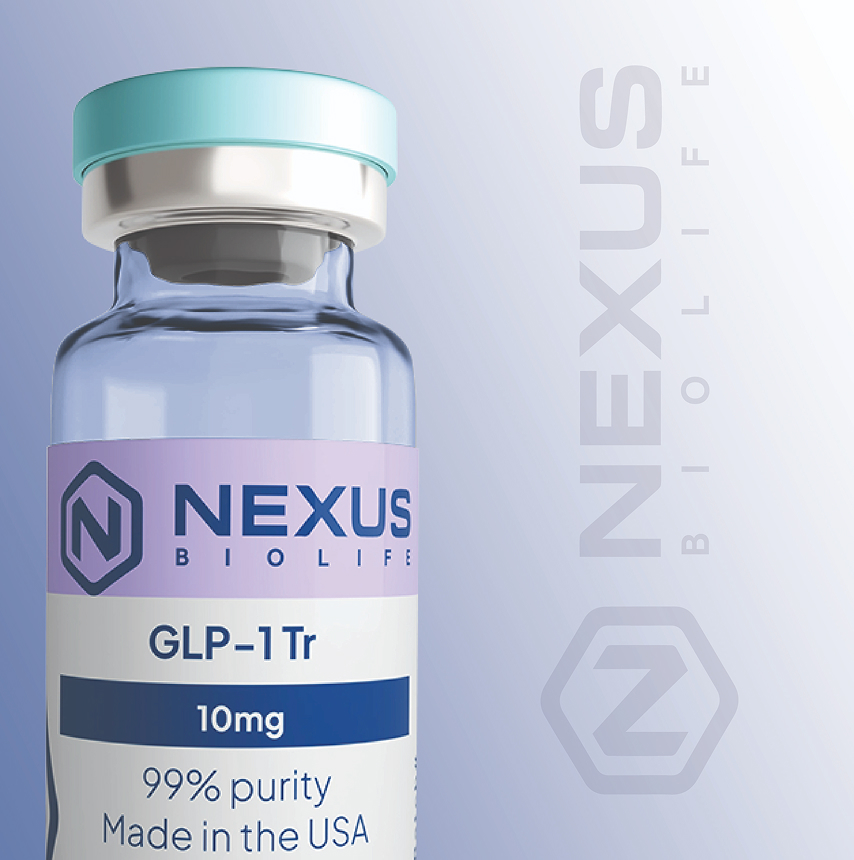
A medical bottle in a lab setting illustrating the impact of FDA Peptide Regulations on compounding.

The Impact of FDA Peptide Regulations on Compounding

There are two main types of pharmacies that are affected by FDA Peptide Regulations today. First, 503A pharmacies create custom medications for individual patients based on a doctor’s order. These pharmacies are mostly overseen by state boards rather than federal agents.

Second, 503B outsourcing facilities can make larger batches of sterile drugs for hospitals. These facilities must follow much stricter federal rules and undergo regular FDA inspections. This higher standard helps prevent contamination and ensures medicine quality for the public.

However, many drugs made in 503A pharmacies do not go through a full scientific review. This creates a gap in safety data that the FDA is now trying to close. As a result, many popular peptides are being moved to restricted lists.

Recent Changes in FDA Peptide Regulations for BPC-157

One of the biggest updates in FDA Peptide Regulations happened when the agency banned BPC-157 from compounding. This decision was based on a lack of human safety data and concerns about impurities. While some animal studies show healing benefits, the FDA requires more proof.

This ban has affected many people in the wellness community who used peptides for injury repair. Companies that were selling these items as “not for human use” have received warning letters. The FDA is clear that these labels do not excuse illegal marketing.

Consequently, legal groups are now challenging these strict moves in court. Some claim the FDA did not give enough public notice before banning certain substances. This legal battle will decide how easily we can access peptides in the future.

rent regulations.

The Legal Pushback: Compounders Challenge FDA’s Authority

It it is important to know that science is not the only factor in this industry. Legal precedent plays a huge role in how FDA Peptide Regulations are applied. Recently, aggressive FDA actions have sparked major legal challenges from medical groups.

In late 2023, Evexias Medical Group filed a lawsuit against the agency. They argued the FDA bypassed proper procedures when banning 17 different peptides. This legal pressure led to a partial victory for compounding pharmacies in late 2024.f

A settlement was reached to halt the direct ban on several key compounds. Instead, the FDA must now submit them for a formal scientific review. This process ensures that regulatory bodies follow the law and maintain due process.

A digital document showing the 2026 FDA Peptide Regulations regarding injectable compounds and safety.

Approved Drugs and Future FDA Peptide Regulations

It is important to know that many peptides are fully approved and safe to use. Currently, there are about 130 approved peptide drugs used to treat cancer and diabetes. These drugs have passed all the necessary clinical trials for safety.

For example, GLP-1 drugs like Ozempic have been tested extensively and are totally legal. These are very different from unapproved “research” compounds found on the internet. Following FDA Peptide Regulations ensures that you are getting a product that actually works.

As we look toward the future, the market will likely favor companies that follow the rules. Investing in formal clinical trials is the only way to ensure long-term success. Compliance is not just a legal hurdle; it is a smart strategy for your health.

Compliance is strategy. Stay informed. ⚖️

References

  1. U.S. Food and Drug Administration. (2024, December 17). FDA Roundup: December 17, 2024. Retrieved from https://www.fda.gov/news-events/press-announcements/fda-roundup-december-17-2024
  2. National Academies of Sciences, Engineering, and Medicine. (2020). Regulatory Framework for Compounded Preparations. In The Clinical Utility of Compounded Bioidentical Hormone Therapy: A Review of Safety, Effectiveness, and Use. National Academies Press (US). Retrieved from https://www.ncbi.nlm.nih.gov/books/NBK562888/
  3. U.S. Food and Drug Administration. (2024, February 20). FDA warns companies selling unapproved semaglutide and tirzepatide. Partnership for Safe Medicines. Retrieved from https://www.safemedicines.org/2024/02/feb-20-2024.html
  4. U.S. Food and Drug Administration. (2016, June). Pharmacy Compounding of Human Drug Products Under Section 503A of the Federal Food, Drug, and Cosmetic Act Guidance. Retrieved from https://www.fda.gov/files/drugs/published/Pharmacy-Compounding-of-Human-Drug-Products-Under-Section-503A-of-the-Federal-Food–Drug–and-Cosmetic-Act-Guidance.pdf
  5. U.S. Food and Drug Administration. (n.d.). Compounding and the FDA: Questions and Answers. Retrieved from https://www.fda.gov/drugs/human-drug-compounding/compounding-and-fda-questions-and-answers
  6. PeptideExaminer. (2026, January 27). The FDA’s War on Peptides: A Complete 2024-2026 Enforcement Timeline. Retrieved from https://peptideexaminer.com/articles/fda-peptide-enforcement-2025-guide/
  7. Schenck, R. O., et al. (2024). Emerging Use of BPC-157 in Orthopaedic Sports Medicine: A Systematic Review. PMC, 12313605. Retrieved from https://pmc.ncbi.nlm.nih.gov/articles/PMC12313605/
  8. Safe Harbor Group. (n.d.). FDA’s Overreach on Compounded Peptides: Legal Battles and How Clinics Can Push Back. Retrieved from https://www.safehg.com/fdas-overreach-on-compounded-peptides-legal-battles-and-how-clinics-can-push-back/
  9. Alliance for Pharmacy Compounding (APC). (2024, September). Settlement reached in Evexias suit against FDA. Retrieved from https://a4pc.org/news/2024-09/settlement-reached-in-evexias-suit-against-fda
  10. U.S. Food and Drug Administration. (2024, September). 503A Categories Update for September 2024. Retrieved from https://www.fda.gov/media/94155/download
  11. Thompson v. Western States Medical Center, 535 U.S. 357 (2002).
  12. PeptideStack. (2026, January 27). Complete FDA Approved Peptides List 2026. Retrieved from https://peptidestack.io/blog/fda-approved-peptides-list-2026
  13. Al Musaimi, O., et al. (2025). 2024 FDA TIDES (Peptides and Oligonucleotides) Harvest. Pharmaceuticals, 18(3), 291. Retrieved from https://pmc.ncbi.nlm.nih.gov/articles/PMC11945313/
  14. WuXi AppTec. (2025, May 8). Cyclic Peptides: FDA-Approved Drugs and Their Oral Bioavailability and Metabolic Stability Tactics. Retrieved from https://dmpkservice.wuxiapptec.com/articles/403-cyclic-peptides-fda-approved-drugs-and-their-oral-bioavailability-and-metabolic-stability-tactics/

All human research MUST be overseen by a medical professional.

Anya Sharma
February 26, 2026
Anya Sharma

Sign up to Get Latest Updates

Content on this site is for informational purposes only and is not intended as medical advice.
Copyright 2025 Peptides Today. All rights reserved.
Our Contact
Lorem ipsum dolor amet consectet adipiscing do eiusmod tempor incididunt labore dolor magna aliqua ipsum suspen disse ultrices gravida Risus maecenas.
  • 1-2345-6789-33
  • 1810 Kings Way, New York
  • info@example.com
  • Mon – Fri 9.30am – 8pm