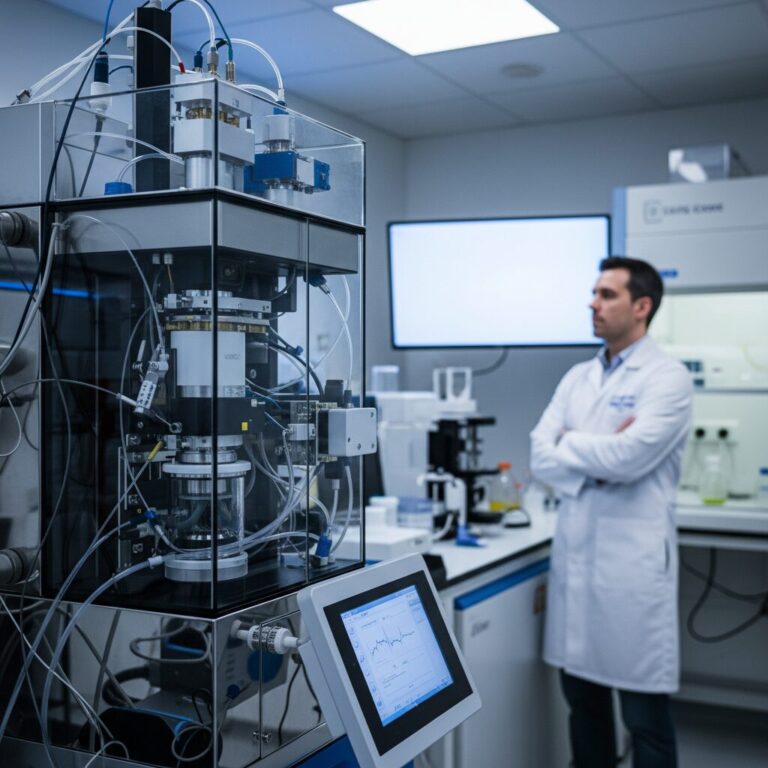

Kai Rivera here, reporting from the wonderfully chaotic world of molecular science where the star of today’s show is the peptide hydrogel. Scientists are building peptide hydrogel systems that assemble, dissolve, and reassemble on command using nothing more than clever chemistry and a timed pH shift. These dynamic materials are part of a growing class of bio inspired smart materials that behave in ways that once sounded like science fiction.
Researchers are exploring peptide hydrogel technology to mimic the constantly changing behavior of living systems. Instead of static materials that stay the same forever, peptide hydrogel structures can form, disappear, and return depending on environmental conditions. This type of responsiveness is transforming how scientists think about drug delivery, tissue engineering, and next generation biomaterials.
A peptide hydrogel is a soft material made from short chains of amino acids that self assemble into networks capable of trapping water. These gels can respond to temperature, pH, or chemical signals. Because the body naturally uses peptides and proteins, peptide hydrogel systems are especially attractive for biomedical research.
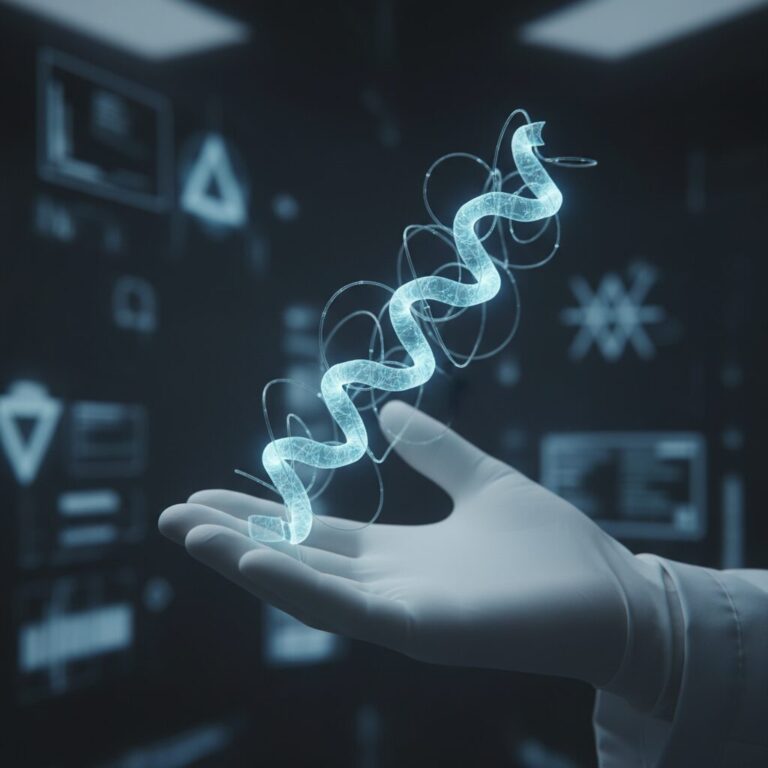
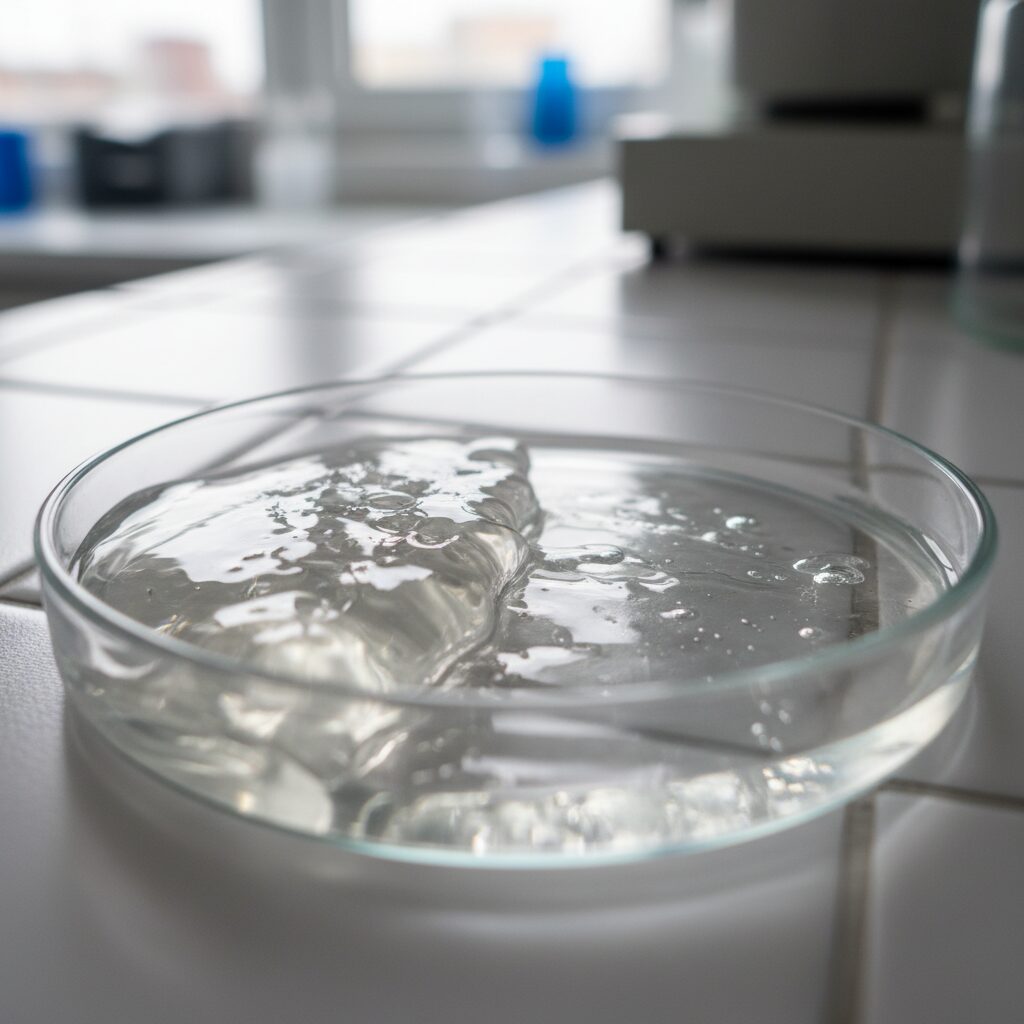
A peptide hydrogel forms when peptide molecules organize into long fibers that weave together into a network. This network traps water and creates a soft gel that can resemble natural tissue. Researchers love peptide hydrogel materials because they are tunable, biocompatible, and capable of responding to environmental changes.
Peptide hydrogel systems rely on weak interactions such as hydrogen bonding, beta sheet formation, and pi stacking. These interactions are individually weak but powerful when combined. They allow molecules to assemble into complex structures without permanent chemical bonds.
Scientists often call this process self assembly. Instead of building materials step by step, the molecules organize themselves into stable structures. The process resembles how proteins fold or how cell membranes form. This similarity to biological processes is one reason peptide hydrogel research has exploded in recent years.

The peptide hydrogel in this research relies on a clever partnership between two molecular components. One component acts as an electron donor and the other acts as an electron acceptor. When these molecules meet, they form what scientists call a charge transfer complex.
The two key molecules include a peptide called pyrene lysine cysteine and a partner molecule called phenylalanine substituted naphthalene diimide. Together they stack and align into organized structures. This stacking is driven by pi stacking interactions.
Imagine molecular pancakes stacking into long columns. These columns bundle into fibers. The fibers intertwine into a network. The network traps water and forms the peptide hydrogel.
This peptide hydrogel forms rapidly in alkaline conditions. When the pH rises, the molecules assemble quickly into a gel. However, the most exciting feature is not just the formation of the peptide hydrogel. The real magic lies in its timed disassembly.
The heart of this peptide hydrogel system is the pH clock. A pH clock is a chemical reaction that slowly changes the acidity of a solution over time. In this case, the key ingredient is glucono delta lactone, often called GdL.
When GdL dissolves in water, it slowly converts into gluconic acid. This process gradually lowers the pH of the solution. At first, the solution is alkaline and the peptide hydrogel forms. As time passes, the pH drops and the gel begins to dissolve.
This transformation creates a timed cycle. The peptide hydrogel assembles, remains stable for a predictable period, and then dissolves as acidity increases. Scientists can tune how long the peptide hydrogel lasts by adjusting the concentration of GdL and other components.
The ability to control timing is a major breakthrough. Materials that can change state on a schedule open the door to countless medical and technological applications.
The peptide hydrogel does not simply disappear forever after dissolving. Researchers can trigger reassembly by restoring alkaline conditions or designing repeated pH cycles in controlled environments. This reversible behavior is rare in synthetic materials.
Repeated assembly and disassembly cycles make peptide hydrogel systems especially valuable. The material can perform a function, dissolve when the task is complete, and potentially reassemble for another cycle. This dynamic behavior mirrors how biological systems operate.
One of the most exciting applications of peptide hydrogel technology lies in drug delivery. Scientists are exploring systems that could allow medications to be injected as liquids and then transform into gels inside the body.
Tumors often have slightly acidic environments compared with healthy tissue.
A peptide hydrogel could remain liquid during injection and form a gel when it reaches the acidic tumor environment. This gel could release medication slowly over time, increasing effectiveness and reducing side effects.
Smart wound care is another promising area. A peptide hydrogel bandage could protect a wound, maintain moisture, and dissolve naturally as healing progresses. Removing bandages could become painless and less disruptive to recovery.
Tissue engineering aims to repair or replace damaged tissues. A peptide hydrogel can mimic the soft, hydrated environment of natural tissue. Cells can grow within the gel, making it a promising scaffold for regeneration.
Researchers are investigating peptide hydrogel scaffolds for cartilage repair, skin regeneration, and nerve healing. Because peptide hydrogels are highly customizable, scientists can design them to match the mechanical and chemical properties of different tissues.
The peptide hydrogel provides structure while cells grow and organize. Over time, the material can dissolve or degrade safely, leaving newly formed tissue behind.
Supramolecular chemistry focuses on interactions between molecules rather than chemical bonds within molecules. This field plays a central role in peptide hydrogel development.
Charge transfer interactions, pi stacking, and hydrogen bonding all belong to supramolecular chemistry. By understanding these interactions, scientists can design peptide hydrogel systems from the ground up.
This design approach allows precise control over properties such as strength, flexibility, responsiveness, and lifetime.
A key advantage of this peptide hydrogel system is tunability. Scientists can adjust how long the gel lasts by changing the ratio of components. Increasing the amount of GdL shortens the gel lifetime. Reducing GdL extends the gel lifetime.
This level of control allows peptide hydrogel systems to be customized for different applications. A drug delivery gel might last days. A wound dressing gel might last hours. A tissue scaffold might last weeks.
The ability to tune the lifetime of a peptide hydrogel represents a major step toward programmable materials.
Peptide hydrogel research continues to expand into new fields. Potential applications include biosensors, wearable medical devices, and responsive coatings. These materials could detect chemical changes and respond automatically.
Imagine a wearable patch made from peptide hydrogel that releases medication when inflammation increases. Imagine coatings that respond to environmental changes and protect surfaces from damage. These possibilities are becoming more realistic each year.
Peptide hydrogel systems could also play a role in regenerative medicine and personalized healthcare. As scientists learn more about molecular self assembly, the potential of peptide hydrogel materials will continue to grow.
Despite exciting progress, challenges remain. Scientists must ensure long term safety, stability, and scalability. Manufacturing peptide hydrogel materials in large quantities remains complex.
Researchers must also study how peptide hydrogel systems interact with the immune system and long term biological environments. These challenges are part of the journey from laboratory discovery to real world application.
Still, the pace of innovation suggests that peptide hydrogel technology will play a major role in future medical and material science breakthroughs.
The peptide hydrogel described in this research represents a major step toward dynamic and responsive materials. By combining peptide self assembly with a chemical pH clock, scientists created a system that assembles, dissolves, and reassembles on a predictable timeline.
This peptide hydrogel demonstrates how chemistry can create materials that behave in life like ways. From drug delivery to tissue engineering, the applications are vast and growing.
The story of peptide hydrogel research is only beginning. As scientists continue exploring molecular self assembly, these smart materials may transform medicine, biotechnology, and materials science.
All human research must be overseen by a medical professional.
All human research MUST be overseen by a medical professional.