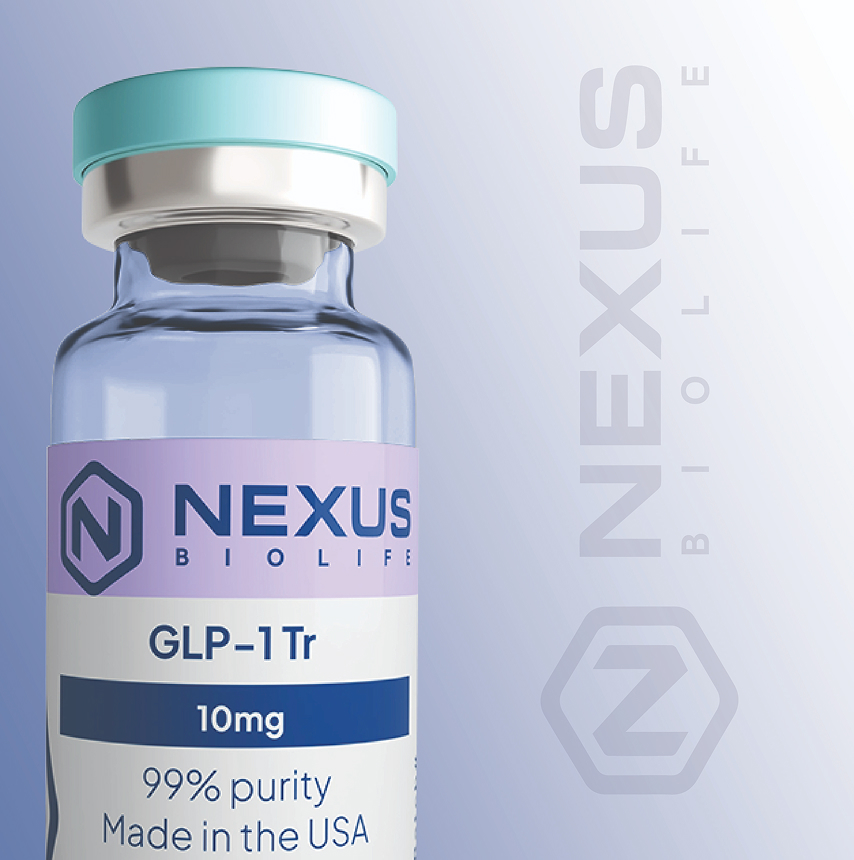


Research peptides regulation has become one of the most talked about topics in health, biotech, and compliance circles. Interest in injectable peptide therapy has surged over the past year. This trend accelerated in 2025 and continues into 2026. However, the rapid rise of so called research compounds has created serious regulatory and scientific challenges.
At the center of the discussion sits a critical distinction. A small number of peptide and peptide analog drugs are approved by the FDA. These include insulin and GLP 1 receptor agonists such as Ozempic. Thousands of other peptides are sold online or through clinics without formal approval or strong human data. This gap has created confusion for consumers and a growing challenge for regulators.
Understanding research peptides regulation is now essential for startups, compliance professionals, and researchers who want to operate responsibly.
The peptide industry has seen the rapid growth of what many describe as a gray market. These products often appear online labeled as research chemicals or not for human consumption. Yet they are widely purchased by individuals for self use.
This labeling strategy creates a regulatory puzzle. Many suppliers attempt to avoid the FDA drug approval process by claiming the peptides are only for laboratory research. However, regulators do not accept labeling alone as protection. If marketing or distribution suggests human use, the FDA can still classify the product as an unapproved drug.
This situation creates enforcement challenges. Regulators know the products are widely used. At the same time, the research label complicates direct enforcement. As a result, warning letters and enforcement actions have increased in recent years.

The success of GLP 1 medications has also influenced public perception. Many consumers assume all peptides share similar safety and effectiveness. That assumption is incorrect. Approved drugs undergo years of testing and clinical trials before reaching the public.
The biggest issue in research peptides regulation is the lack of human clinical evidence. Many compounds show promising results in animals. Yet animal studies do not always translate to humans.
Scientific communicators often stress this evidence gap. Laboratory research can provide early insights. However, regulators require human trials to evaluate dosage, side effects, and long term safety.
BPC 157 provides a useful example. This peptide often appears in discussions about healing and recovery. Animal studies show interesting results. However, only limited and low quality human evidence exists. That evidence does not meet modern clinical research standards.
This lack of data places regulators in a difficult position. The law requires evidence before approval. Without human trials, products remain unapproved regardless of popularity.
Many consumers believe research use only labels provide legal protection. In reality, the situation is more complex. The FDA evaluates the total context of how a product is marketed and used.
If suppliers make health claims or promote benefits, regulators may treat the product as an unapproved drug. This applies even when packaging states not for human consumption.
This regulatory approach exists to protect public health. Without oversight, product quality and purity become uncertain. Consumers cannot confirm what they are buying or using.
For compliance teams, this creates significant responsibility. Organizations must prevent unapproved compounds from entering legitimate supply chains.
Online marketplaces have made research peptides easy to access. However, accessibility introduces new safety concerns. Approved medications must meet strict manufacturing standards. Unregulated products may not meet those same requirements.
Quality risks may include contamination, incorrect labeling, and inaccurate dosing. Long term health effects remain unknown in many cases.
Social media and podcast discussions have amplified the popularity of peptides. Influencers and biohackers often promote stacks that promise faster recovery, improved performance, or anti aging benefits.
This cultural shift creates tension between excitement and scientific caution. The promise of fast results attracts attention. However, regulation exists to ensure safety and effectiveness.
As interest grows, regulators are paying closer attention. Increased oversight may shape the market in the coming years.
The future of research peptides regulation will likely involve stronger enforcement and clearer guidance. Several key takeaways stand out for industry stakeholders.
Researchers should prioritize transparent clinical trials. Human evidence remains the only path to full approval.
Startups should build compliance into their strategy from the beginning. Shortcuts in the gray market may create short term gains but long term legal risks.
Compliance professionals must monitor regulatory updates closely. Education and internal policies will play a major role in risk management.
The popularity of peptides will continue to grow. However, safe and effective therapies require scientific validation and regulatory approval. Responsible innovation will determine which products succeed long term.
This article is for informational and regulatory discussion purposes only and does not constitute medical or legal advice.
All human research MUST be overseen by a medical professional.