
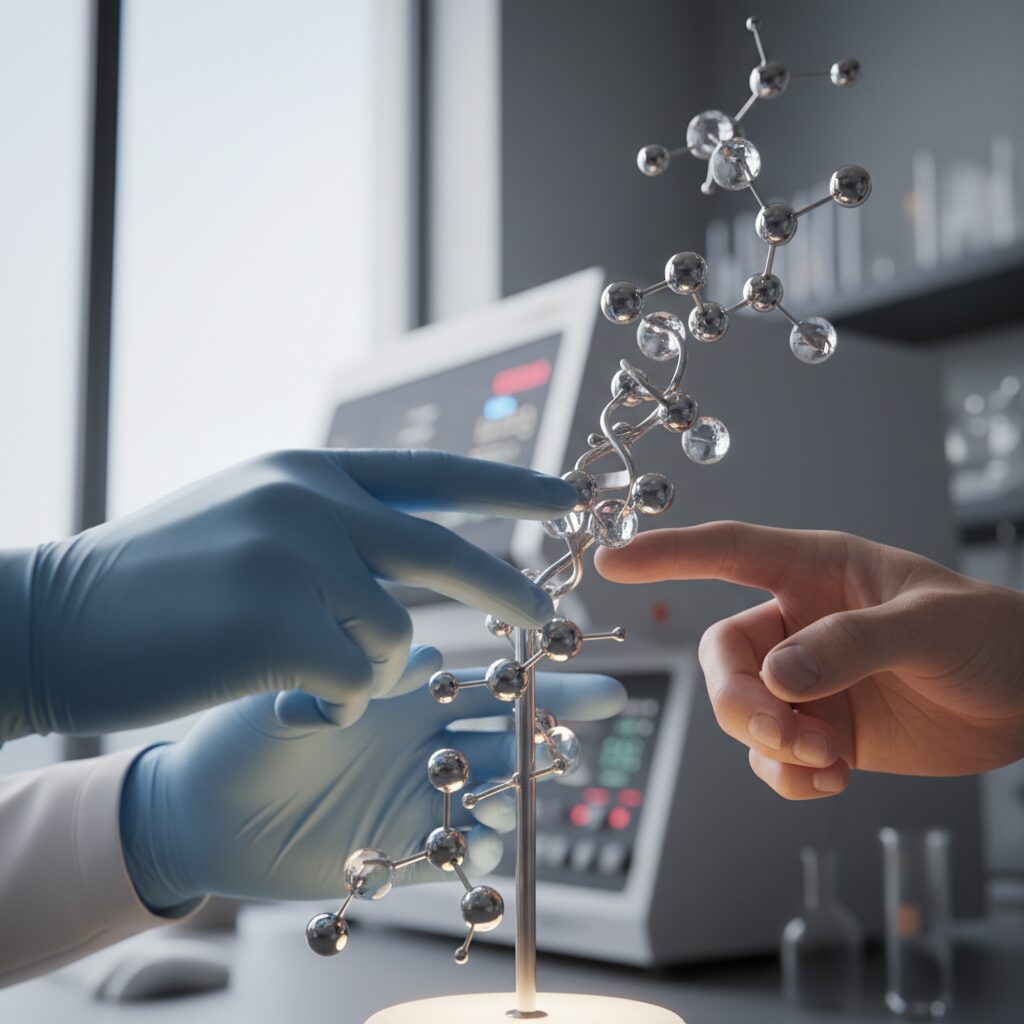
The PepLib Lilly collaboration marks an important moment in the evolving pharmaceutical research landscape. Strategic partnerships between specialized biotech companies and global pharmaceutical leaders continue to shape the future of drug discovery.
This collaboration combines advanced peptide discovery with large scale clinical development expertise. The partnership focuses on discovering and developing novel peptide therapeutics across multiple disease areas that have not yet been publicly disclosed.
The initiative reflects growing industry confidence in peptide drugs and highlights how collaborative innovation can accelerate the journey from research to real world patient benefit.
The PepLib Lilly collaboration stands out because of how well the two organizations complement each other. PepLib is a peptide discovery biotech founded in 2017 in China with an expanding presence in the United States.
The company has built a strong reputation for high throughput peptide screening and molecular discovery platforms. Its strength lies in identifying promising peptide candidates that can precisely target disease pathways.
Eli Lilly brings a different but equally critical capability. The company has decades of experience in clinical trials, global regulatory approvals, manufacturing, and commercialization. This combination of discovery and development expertise creates a classic synergy model. PepLib focuses on early discovery and candidate identification. Lilly leads the complex path through clinical trials and global market approval.
This structure aligns incentives through upfront payments, milestone payments, and long term royalties. Such partnerships are common in modern pharma because they reduce risk and speed up innovation. The PepLib Lilly collaboration follows a proven blueprint used across the biotech industry.
Peptides are short chains of amino acids that function as signaling molecules in the human body. They regulate many biological processes including metabolism, inflammation, cardiovascular health, and cellular communication. Their specificity makes them particularly attractive as therapeutic agents.
Traditional small molecule drugs often interact with multiple targets, which can lead to off target side effects. Peptide therapeutics can be engineered to bind to highly specific receptors. This precision can lead to improved safety profiles and more targeted treatment outcomes.

Because of these advantages, peptides have become one of the fastest growing segments in pharmaceutical research. Many blockbuster therapies already rely on peptide mechanisms. The rise of GLP 1 drugs for diabetes and obesity demonstrates the growing commercial and clinical value of peptide based treatments.
The PepLib Lilly collaboration reflects a broader trend in pharmaceutical innovation. Drug discovery has become increasingly specialized. Smaller biotech firms often excel in early research and platform technology. Larger pharmaceutical companies bring expertise in large scale trials, regulatory navigation, and commercialization.
Partnerships allow both sides to focus on their strengths. They also reduce financial risk and shorten development timelines. By combining discovery platforms with global development infrastructure, companies can move promising candidates toward patients more efficiently.
PepLib has already demonstrated the strength of its discovery platform through previous partnerships in the pharmaceutical sector. Multiple financing rounds have supported the company’s expansion and research capabilities. This track record strengthens confidence in the PepLib Lilly collaboration and its long term potential.
The PepLib Lilly collaboration is currently in the early discovery and preclinical phase. This means the focus is on identifying peptide candidates and testing them in laboratory and animal models. Once promising candidates are validated, the development process moves toward regulatory submission.
The first major milestone is the Investigational New Drug application. This submission provides regulators with safety, manufacturing, and preclinical data. Approval allows testing in human volunteers.
Clinical trials follow a structured process. Phase one trials evaluate safety and dosage. Phase two trials assess effectiveness in patients. Phase three trials confirm safety and efficacy in larger populations. This process often takes ten to fifteen years and requires significant investment.
Peptide drugs present unique development challenges. Stability, delivery methods, and potential immune responses must be carefully addressed. Lilly’s experience in navigating these challenges plays a key role in the success of the PepLib Lilly collaboration.
The global peptide therapeutics market continues to grow rapidly. Increasing demand for targeted therapies is driving investment and research. Pharmaceutical companies are actively seeking partnerships that strengthen their pipelines in this area.
The PepLib Lilly collaboration strengthens Lilly’s discovery pipeline while expanding PepLib’s global reach. This mutually beneficial model supports long term innovation and market growth. The collaboration also reflects increasing cross border partnerships in the biotech sector.
As populations age and chronic diseases become more common, demand for precise and effective treatments continues to rise. Peptide therapeutics offer promising solutions for many unmet medical needs. This makes the PepLib Lilly collaboration strategically significant for the future of medicine.
The long term outlook for peptide therapeutics remains strong. Advances in peptide engineering, delivery technologies, and computational drug design continue to expand the possibilities. Partnerships like the PepLib Lilly collaboration play a central role in translating scientific discoveries into approved medicines.
In the near term, the collaboration will focus on strengthening discovery platforms and building a robust preclinical pipeline. Over time, successful candidates may advance into clinical trials and eventually reach patients worldwide.
This collaboration highlights how modern drug development relies on partnership driven innovation. By combining discovery expertise with global development infrastructure, the PepLib Lilly collaboration represents a forward looking approach to pharmaceutical research.
All human research MUST be overseen by a medical professional.