

Welcome back, science adventurers. Today we are diving straight into Peptide Discovery & Immunopeptidomics, the fascinating world where tiny protein fragments help scientists uncover cancer’s hidden signals.
Imagine your immune system as a squad of elite detectives constantly scanning every cell in your body. Their mission is simple. Spot danger fast and remove it before it spreads.
Cancer cells, however, are masters of disguise. They try to blend in with healthy cells and avoid detection. Fortunately, they cannot hide everything. They leave behind tiny clues called peptides on their surface. These clues are what researchers study through Peptide Discovery & Immunopeptidomics to understand how the immune system recognizes disease.
This field is rapidly transforming cancer research, personalized medicine, and immunotherapy. Let us unpack how it all works in a fun and easy way.
Inside nearly every cell live molecules called Human Leukocyte Antigens, also known as HLA molecules. Their job is to act like tiny display boards. They present small fragments of proteins, called peptides, to immune cells. You can think of this as a constant security check.
If the peptides come from normal proteins, immune cells move on. If the peptides look suspicious, the immune system launches an attack.
These displayed peptides form the foundation of Peptide Discovery & Immunopeptidomics. Researchers study them to understand how diseases such as cancer reveal themselves to the immune system.
Some peptides are especially important. They come from mutated cancer proteins and are called neoantigens. These are exciting targets because they exist only on tumor cells. That means therapies can focus on cancer while leaving healthy tissue alone.
Neoantigens are like flashing neon signs on cancer cells. They are created when tumor DNA mutates. Because they are unique to cancer, they are one of the most promising targets for personalized immunotherapy.
Researchers hope to design vaccines and treatments that train the immune system to attack these neoantigens. This is a core goal of modern cancer immunotherapy research.
According to the National Cancer Institute, personalized cancer vaccines are an active and rapidly growing area of study. Scientists are working toward therapies tailored to each patient’s tumor profile.
This is where Peptide Discovery & Immunopeptidomics becomes essential. Scientists must first find the neoantigens before they can target them.
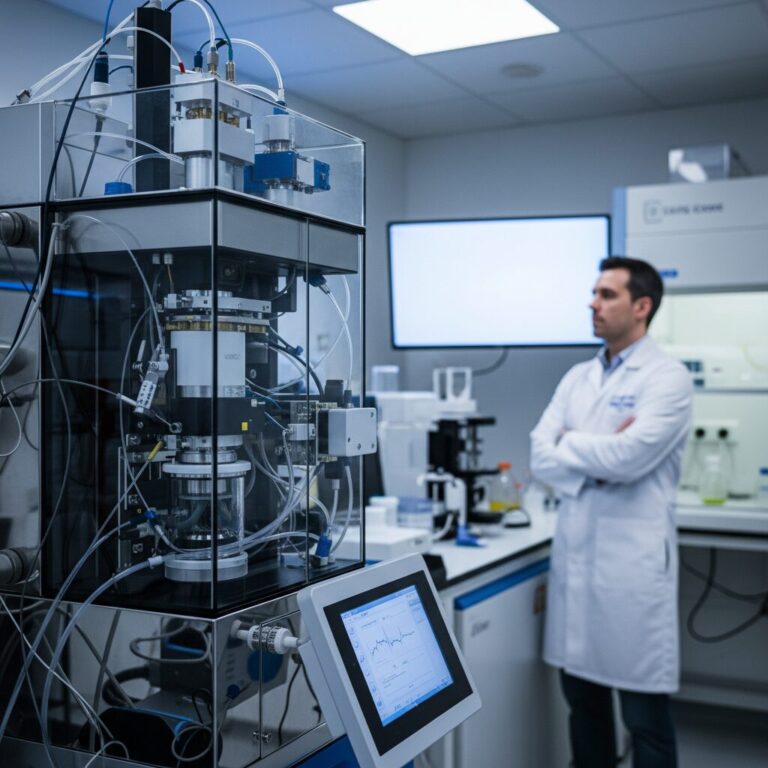
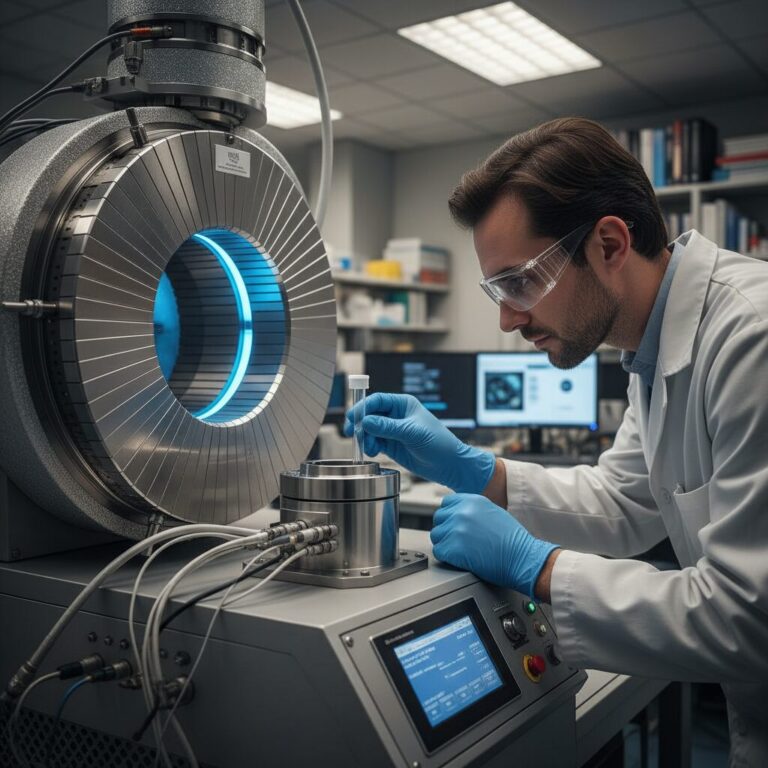
To find peptides, researchers rely on mass spectrometry. This powerful technology measures molecules with incredible precision. It breaks proteins into fragments and reads their molecular fingerprints.
However, traditional discovery methods face challenges.
First, peptide detection can be stochastic. That means the instrument may repeatedly detect common peptides while missing rare ones. Unfortunately, rare peptides often include the most valuable neoantigens.
Second, identification often depends on spectral libraries. These libraries contain known peptide fingerprints. If a peptide is completely new, it may not exist in the database. Even if detected, it may remain unidentified.
Researchers also use de novo sequencing and hybrid databases to improve discovery. Still, sensitivity and confidence remain ongoing challenges in complex samples.

Now the story gets exciting. Instead of relying only on generic databases, researchers are developing personalized peptide libraries. These libraries are designed for individual patients or specific diseases.
Think of it as creating a custom detective list before the investigation even begins.
Early validation studies suggest that personalized libraries paired with advanced data acquisition workflows can improve peptide detection coverage and sensitivity. Researchers report improved recovery of expected peptides and stronger detection of extremely low abundance targets. These findings are promising and continue to move toward peer reviewed validation.
This approach strengthens Peptide Discovery & Immunopeptidomics by helping scientists search smarter rather than harder.
The impact of this research extends far beyond the lab. Several fields are already benefiting.
Personalized vaccines represent one of the most exciting possibilities. Researchers aim to design vaccines that teach the immune system to recognize a patient’s unique tumor peptides. This approach could lead to treatments that are highly targeted and less harmful to healthy cells.
Learn more about cancer immunotherapy research on our internal cancer immunotherapy resource page.
Sometimes the immune system attacks healthy tissues. By identifying the peptides that trigger these responses, scientists can better understand autoimmune diseases and design targeted treatments.
Transplant rejection occurs when the immune system detects foreign peptides. Understanding these signals can help improve transplant compatibility and long term success rates.
Large peptide datasets are valuable training material for artificial intelligence. Machine learning models can predict peptide binding, stability, and immune recognition. This accelerates drug discovery and improves predictive biology.
Before enthusiasm runs too far ahead, an important reality check is necessary.
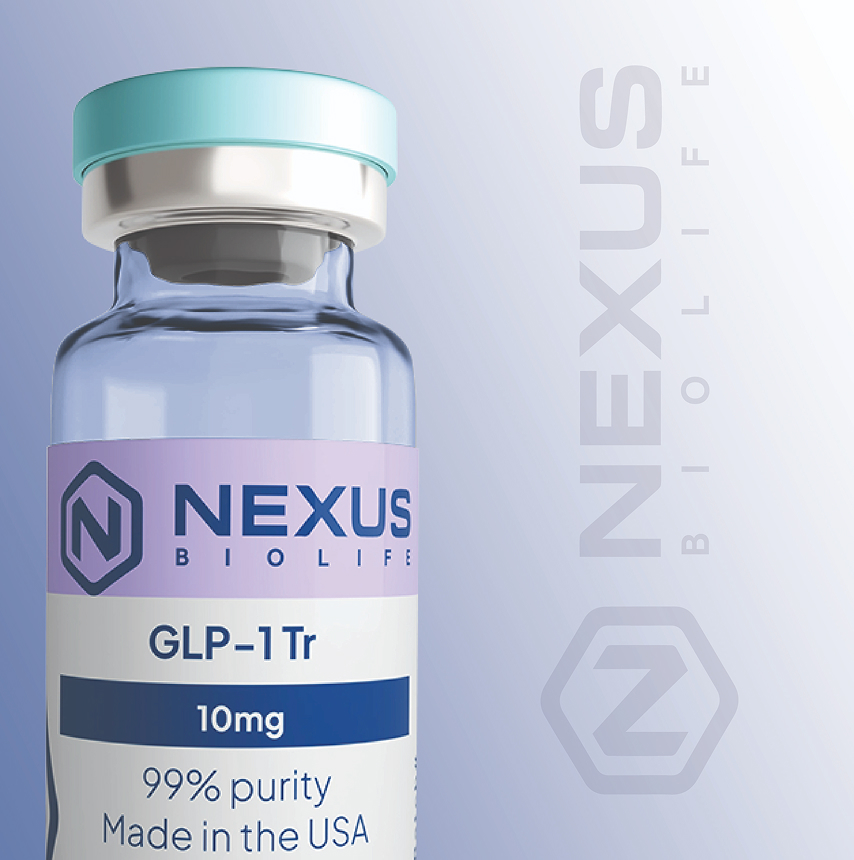
Research peptides available online are often not produced under strict clinical quality standards. These products may be impure, mislabeled, or contaminated. Clinical grade peptides used in human trials undergo rigorous testing and regulation.
The difference is critical. Research tools are not consumer products.
Peptide Discovery & Immunopeptidomics is helping scientists decode how the immune system sees disease. It connects molecular biology, advanced instrumentation, and computational science into one powerful research engine.
As detection methods improve, researchers gain clearer views of cancer biology. New therapies become possible. Personalized medicine becomes more realistic.
The journey is ongoing, yet the momentum is undeniable. The immune system has always held the map. Now we are finally learning how to read it.
The future of personalized medicine looks brighter than ever, and Peptide Discovery & Immunopeptidomics sits right at the center of this scientific adventure.
All human research MUST be overseen by a medical professional.