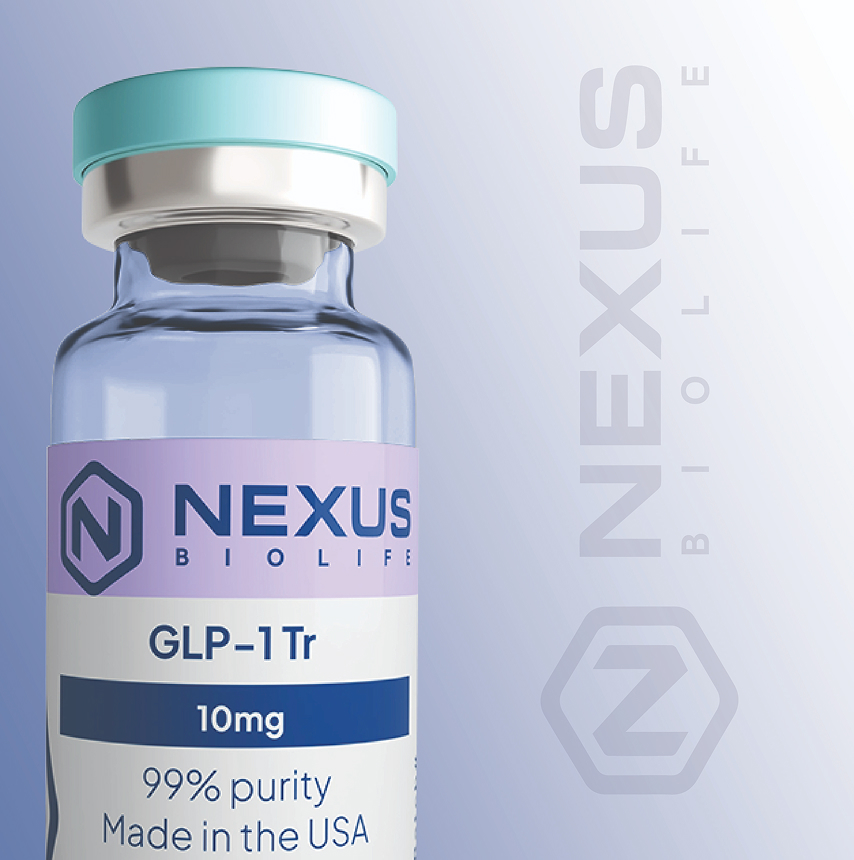


The conversation around peptide regulations has grown rapidly as scientific interest and public awareness continue to expand. Peptides are gaining attention across research, medicine, longevity, and performance spaces.
However, excitement has also created confusion. Many people struggle to understand the difference between approved therapies and unregulated research compounds. This growing gap has triggered stronger regulatory scrutiny and increased enforcement from agencies such as the U.S. Food and Drug Administration.
Peptides are short chains of amino acids that act as signaling molecules inside the body. They help regulate metabolism, immune responses, tissue repair, and hormone signaling. Some peptides are approved medicines.
Others exist only as experimental research compounds. Understanding peptide regulations is now essential for researchers, startups, and compliance professionals who operate in this evolving market.
Peptide regulations are largely shaped by the Federal Food, Drug, and Cosmetic Act. The FDA classifies substances as drugs when they are intended to affect the structure or function of the body or treat disease. This classification applies regardless of whether a substance is synthetic, natural, large, or small.
An FDA approved peptide drug must undergo a rigorous process. Researchers must conduct laboratory studies, animal testing, and multi phase human clinical trials. These trials evaluate safety, effectiveness, dosage, and side effects. Only after sufficient evidence exists can a product receive approval for public use.
For example, GLP 1 receptor agonists used for diabetes and weight management are FDA approved peptide drugs. These therapies went through years of testing before entering the market. Their approval demonstrates how peptide innovation can succeed when it aligns with strict regulatory standards.
Peptide regulations also define the category known as research use only or RUO compounds. These substances are intended strictly for laboratory research. They are not approved for human or animal use outside controlled clinical trials. This distinction is critical.
Companies can legally sell research peptides for laboratory investigation. However, they cannot market them for human consumption or therapeutic use. When vendors cross that line, the FDA considers the products unapproved new drugs.
The FDA has issued numerous warning letters to companies that promote research peptides for personal use. These actions show that peptide regulations are actively enforced. Businesses that ignore these rules face product seizures, fines, and legal action.
Despite clear peptide regulations, a grey market has emerged online. Many vendors sell peptides with vague marketing language and minimal quality controls. These products often lack third party testing, verified purity, or accurate labeling.

This environment creates serious safety risks. Unregulated peptide products may contain contaminants or incorrect dosages. Some products may not contain the advertised compound at all. These inconsistencies can lead to unexpected side effects and health complications.
For researchers, the grey market undermines scientific integrity. Reliable research depends on verified materials and controlled conditions. Without quality assurance, research outcomes become unreliable and potentially dangerous.
To understand why peptide regulations matter, it helps to explore why peptides generate so much interest. Researchers study peptides because of their ability to influence cellular signaling with high specificity.
At a cellular level, peptides function like keys that fit into specific biological locks. They bind to receptors and activate pathways that regulate growth, metabolism, immune responses, and tissue repair.
Some research focuses on peptides that influence mitochondrial function. Mitochondria generate the energy required for cellular activity. Scientists also study pathways such as AMPK and mTOR, which regulate metabolism and cellular growth.
These mechanisms explain why peptides attract attention in areas such as recovery, longevity, and metabolic health. However, scientific promise does not remove the need for strict peptide regulations. Safety and effectiveness must be proven through controlled research and clinical trials.
Regulatory oversight is increasing as the peptide market grows. Authorities are focusing on manufacturing practices, labeling accuracy, and marketing claims. Companies must follow Current Good Manufacturing Practices to ensure consistent quality and safety.
The FDA has increased enforcement actions against vendors that misuse the research use only label. Warning letters often highlight misleading claims, unapproved drug marketing, and unsafe manufacturing conditions.
As a result, the peptide industry is moving toward greater transparency and accountability. Companies that invest in compliance and quality systems are more likely to succeed in the long term.
Stricter peptide regulations will reshape the industry in several ways. First, regulatory clarity will encourage responsible innovation. Companies that prioritize research and compliance will gain credibility and investor confidence.
Second, consumers and healthcare professionals will benefit from improved safety standards. Clear regulations reduce the risk of contaminated or misrepresented products entering the market.
Third, regulatory enforcement will likely reduce the size of the grey market. Vendors that cannot meet compliance requirements may exit the industry. While this transition may slow short term growth, it will strengthen the market over time.
For startups and biotech companies, peptide regulations should not be viewed as obstacles. Instead, compliance should be seen as a strategic advantage. Regulatory readiness supports investor trust, partnership opportunities, and long term scalability.
Companies can prepare by investing in high quality research, transparent sourcing, and regulatory expertise. Building relationships with regulatory consultants and legal professionals also helps organizations navigate complex approval pathways.
In addition, proactive compliance demonstrates commitment to patient safety and ethical research. These values strengthen brand reputation and create competitive differentiation.
The future of peptide innovation remains promising. Researchers continue to explore new therapeutic applications in areas such as metabolic disease, autoimmune disorders, and regenerative medicine.
As more peptides move through clinical trials, regulatory frameworks will continue to evolve. Over time, the distinction between approved therapies and experimental compounds will become clearer.
Peptide regulations will play a central role in shaping this future. They provide the structure needed to balance innovation with safety. Without strong regulatory oversight, scientific progress would carry unacceptable risks.
Peptide regulations are becoming a defining factor in the future of biotechnology and life sciences. The difference between FDA approved therapies and unregulated research compounds has major implications for safety, legality, and market growth.
As regulatory scrutiny increases, companies must prioritize compliance, research quality, and transparency. This approach supports sustainable innovation and builds trust among researchers, regulators, and the public.
The peptide industry stands at an important turning point. By respecting peptide regulations and investing in responsible science, organizations can unlock the true potential of these powerful molecules while protecting public health.
All human research MUST be overseen by a medical professional.