
PrRP metabolic health research is changing how scientists understand weight regulation, appetite, and energy balance. Many people still believe metabolism depends only on calories and exercise. That idea feels simple and comforting, but biology is far more complex.
Inside the body, chemical messengers constantly send signals that influence hunger, fat storage, blood sugar, and energy use. These signals form a communication network that researchers continue to decode.
Understanding this system helps replace confusion with clarity. Instead of chasing quick fixes, modern metabolic science focuses on the biological processes that shape long term health. One of the most fascinating signals involved in this research is Prolactin releasing peptide, also known as PrRP.
Scientists have spent years studying how the brain controls appetite and energy balance. The brain does not simply respond to willpower. It relies on hormones and neuropeptides that send messages between organs and tissues. PrRP is one of these messengers.
PrRP is produced naturally in the brain and interacts with a receptor known as the PrRP receptor or PrRPR. When this signal activates correctly, it influences how much we eat and how the body uses energy. Research shows that PrRP metabolic health pathways play a role in food intake, energy expenditure, and glucose regulation.
Preclinical studies suggest that activating the PrRPR pathway may reduce appetite and support metabolic balance. These findings make PrRP an exciting target for metabolic research.
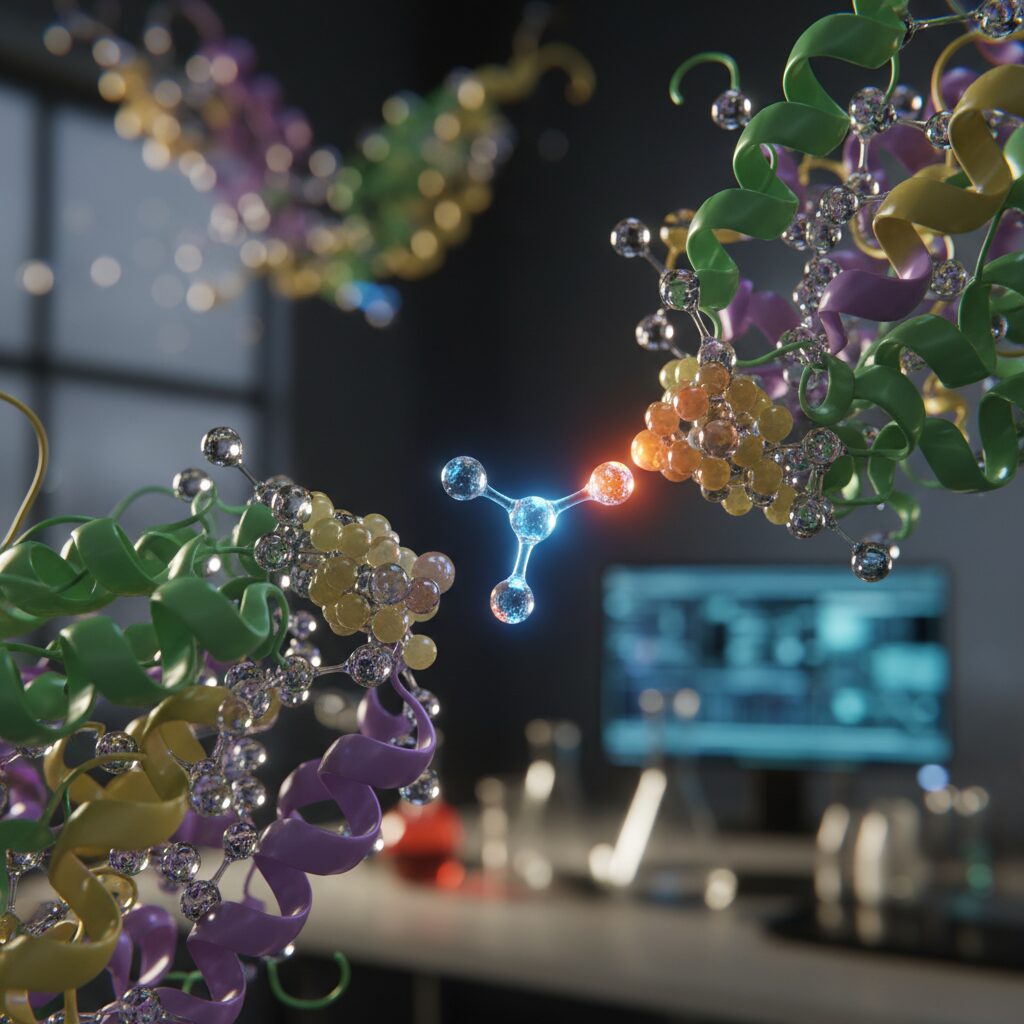
To understand PrRP metabolic health research, imagine a lock and key system. PrRP acts as the key. The receptor acts as the lock. When the key fits, a signal begins inside the cell.
This signal travels through proteins called G proteins, which carry messages deeper into the cell. These messages influence metabolism, hunger, and how the body processes nutrients.
Researchers now believe that precise control of this signaling system could support better metabolic outcomes. However, the system is complex. The same signal can activate more than one receptor.

One of the biggest hurdles in PrRP metabolic health research involves a second receptor called NPFF2R. PrRP can interact with this receptor as well. This creates a scientific challenge.
While PrRPR activation shows promising metabolic effects in preclinical research, NPFF2R activation has been associated with cardiovascular effects in animal studies. Scientists must therefore design molecules that target the beneficial pathway without triggering the unwanted one.
This challenge highlights why drug design requires precision. Researchers cannot simply increase natural signals without understanding the full biological impact.
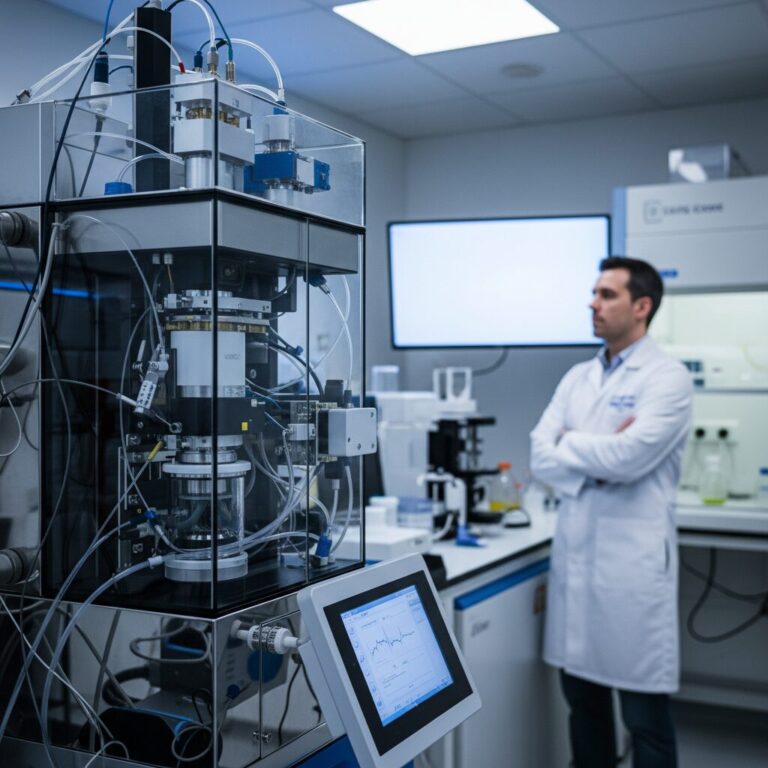
Cryogenic electron microscopy, known as cryo EM, has transformed how scientists study molecular structures. This technology allows researchers to visualize proteins and receptors at near atomic resolution.
Cryo EM helps scientists see how research compounds interact with receptors in real time. This insight allows researchers to design molecules that fit specific receptors with greater precision.
In recent structural biology research, scientists studied how a PrRP analog interacts with both the PrRPR and NPFF2R receptors. The findings revealed small structural differences between the receptors. These tiny differences matter greatly. They provide clues for designing selective compounds that target the desired pathway.
This level of precision represents a major shift in metabolic research. Instead of broad treatments, scientists now aim for targeted solutions that work with the body’s natural signaling systems.
Animal studies provide early insight into the metabolic potential of PrRP analogs. Researchers observed promising metabolic effects in preclinical models, including improved glucose regulation and reduced fat production in high fat diet studies.
It is important to remember that these results come from preclinical research. Human clinical trials are necessary to confirm safety and effectiveness. Still, these findings offer a strong scientific foundation for continued research.
Selective drug design focuses on creating compounds that interact only with desired receptors. This approach reduces the risk of unintended side effects.
Cryo EM helps researchers compare how molecules bind to different receptors. By studying these differences, scientists can refine molecular structures and improve selectivity.

This strategy supports safer research and more targeted metabolic solutions. It also demonstrates how structural biology guides modern drug discovery.
Interest in metabolic research has grown rapidly. Unfortunately, this interest has also led to the rise of unverified online sources selling research peptides.
Unregulated products may contain incorrect dosages, contaminants, or mislabeled ingredients. Without clinical oversight, these risks become serious.
The FDA warns consumers about unapproved peptide products and research chemicals.
Clinical research follows strict safety and quality standards. Proper oversight ensures accurate dosing, testing, and monitoring. Choosing unverified sources can put health at risk.
For more safety information, read our guide to research grade peptide safety.
The study of PrRP metabolic health represents a shift toward precision medicine. Researchers now focus on understanding how tiny molecular signals shape metabolism. This approach moves beyond simplistic solutions and toward targeted science based strategies.
Future research will continue exploring receptor selectivity, metabolic regulation, and clinical applications. Each discovery adds to our understanding of how the body manages energy and weight.
Metabolic health involves far more than calorie counting. Hormones, neuropeptides, receptors, and cellular signaling all play a role. PrRP metabolic health research highlights how advanced technologies and structural biology are helping scientists design smarter solutions.
By learning how the body communicates internally, researchers can develop safer and more effective strategies. Knowledge empowers better decisions and reduces reliance on quick fixes.
Understanding the science behind metabolism is the first step toward long term health.
All human research MUST be overseen by a medical professional.