

Muscle growth and recovery science explains why some athletes keep progressing while others feel stuck despite training hard. You can lift heavy, eat clean, and stay consistent, yet still hit a wall. Recovery feels slow. Strength plateaus appear. Motivation drops. This is not a lack of effort. It is usually a lack of understanding of how the body actually adapts to stress.
The truth is simple. Performance is not built during workouts. Performance is built during recovery. Training only provides the signal. Muscle growth and recovery science shows us how the body interprets that signal, repairs tissue, and rebuilds itself stronger than before.
Once you understand the biology behind muscle growth and recovery science, you stop guessing and start training with purpose.
Traditional training focuses on volume, intensity, and calories. These matter, but they are only the surface layer. Muscle growth and recovery science goes deeper into what happens inside muscle cells after training.
Resistance exercise creates microscopic damage to muscle fibers. This damage activates repair pathways that lead to growth. Without recovery, this damage accumulates and performance declines. With proper recovery, the body adapts.
Therefore, progress depends on how well you balance stress and repair. This balance is the foundation of muscle growth and recovery science.
Muscle protein synthesis is the process by which the body repairs and builds muscle tissue. Training stimulates this process, but nutrition and rest determine how effective it becomes.
Amino acids from dietary protein provide the raw materials for repair. Sleep provides the hormonal environment needed for growth. Without both, muscle protein synthesis remains limited.
According to muscle growth and recovery science, resistance training combined with adequate protein intake significantly increases muscle protein synthesis compared to training alone. This is why timing and consistency matter more than supplements.
Two cellular pathways dominate muscle growth and recovery science.
mTOR regulates muscle building. Resistance training and amino acids activate mTOR, which increases protein synthesis and muscle growth. When mTOR signaling is strong, the body shifts into growth mode.
AMPK responds to energy stress. Long or intense training sessions activate AMPK to increase energy efficiency. While AMPK supports endurance adaptations, it can temporarily reduce muscle building when energy is low.

This is not a problem. It is a tradeoff. Muscle growth and recovery science teaches us that training goals determine which pathway dominates. Strength athletes bias mTOR. Endurance athletes rely more on AMPK.
Understanding this balance helps athletes structure training and nutrition intelligently.
Mitochondria produce ATP, the energy currency of the cell. The number and efficiency of mitochondria influence endurance, recovery speed, and fatigue resistance.
Muscle growth and recovery science shows that aerobic training increases mitochondrial density. More mitochondria allow muscles to recover faster between sets and sessions. This is why elite strength athletes often include low intensity aerobic work.
Better energy production reduces fatigue and improves overall training quality. Recovery is not passive. It is fueled by cellular energy.
Training causes inflammation. This response is necessary for repair. However, chronic inflammation slows recovery and increases injury risk.
Muscle growth and recovery science emphasizes controlled inflammation. Sleep, nutrition, hydration, and stress management regulate inflammatory responses. Poor recovery habits keep inflammation elevated and delay adaptation.
Instead of eliminating inflammation, the goal is to resolve it efficiently.
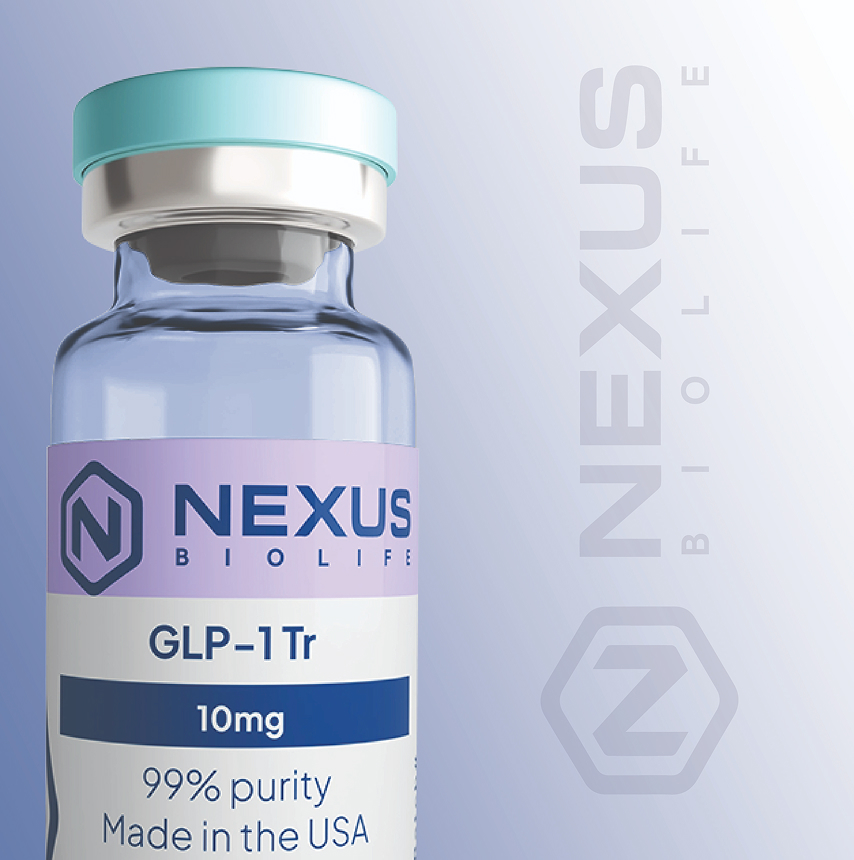
Peptides are signaling molecules being studied in muscle growth and recovery science. One compound often discussed is BPC 157.
Animal studies suggest BPC 157 may support tissue repair and inflammation modulation. Research focuses on tendon, ligament, and gut healing. However, human clinical data remains limited, and safety profiles are not well established.
Another research area includes growth hormone releasing peptides. These compounds are studied for their ability to stimulate natural growth hormone secretion. Growth hormone influences tissue repair, body composition, and recovery markers.
Muscle growth and recovery science treats these compounds as experimental. They are not recommendations. Research occurs under controlled conditions, not recreational use.
Interest in recovery science has led to unregulated peptide markets. Products labeled research grade often lack quality control and purity testing.
Muscle growth and recovery science strongly warns against unsupervised use. Contamination, incorrect dosing, and unknown long term effects present real health risks.
Science advances through evidence, not shortcuts.
Hormones regulate adaptation. Testosterone supports muscle protein synthesis and recovery. Growth hormone influences tissue repair. Cortisol manages stress responses.
Muscle growth and recovery science does not promote extreme hormone manipulation. Instead, it focuses on optimizing natural production through sleep, nutrition, training volume, and stress control.
Chronic fatigue, poor sleep, and under fueling disrupt hormonal balance. When hormones fall out of range, recovery slows and injury risk rises.
Muscle growth and recovery science is not about hacks. It is about integration.
Train with intention. Fuel adequately. Prioritize sleep. Manage stress. Respect recovery.
Progress occurs when training stress matches recovery capacity. Push too hard and adaptation stalls. Recover well and strength compounds over time.
Athletes who understand muscle growth and recovery science stop chasing trends. They focus on fundamentals backed by biology.
Muscle growth and recovery science reveals that peak performance is built through intelligent systems, not extremes. Growth happens when cellular signals, energy availability, hormones, and recovery align.
Trust the science. Respect the process. Build strength the smart way.
Knowledge remains the ultimate advantage.
All human research MUST be overseen by a medical professional.